Wild Horses and the Battle to Save our Public Land Ecosystems

I have been involved with conservation organizations in Nevada for a long time. I love our public lands, and Nevada, with 48 million acres designated as public, has the vast majority of public land in the United States. I choose to live in Nevada primarily because of access to huge areas that were set aside for public use. It is rare for me to come across a no trespassing sign which can be all too common in states that don’t have a large amount of public land. The BLM, the Bureau of Land Management is responsible for managing these lands for multi-use purposes.

I wrote this article for a sportsman’s publication, and it was published this fall. It isn’t an in depth look at the wild horse issue but was designed to be informative on a basic level. There were a few graphs and tables which I am not including. I am going to write a series of essays on the topic which will look at some of the problems with wild horse populations exploding on our public lands. If you are an anti-management “advocate” of wild horses and drinking the Kool aid that animal rights extremists are serving, feel free to unfollow me and move along. With all the changes coming to the Department of the Interior, the BLM and new appointments to key positions, I want to put down my thoughts as we move forward in uncertain times.

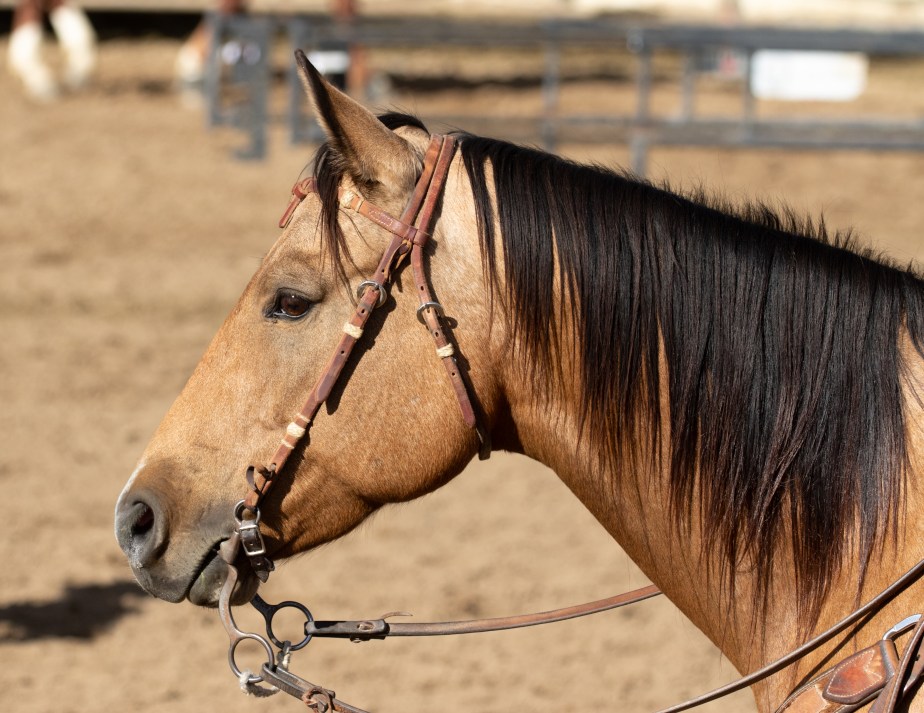
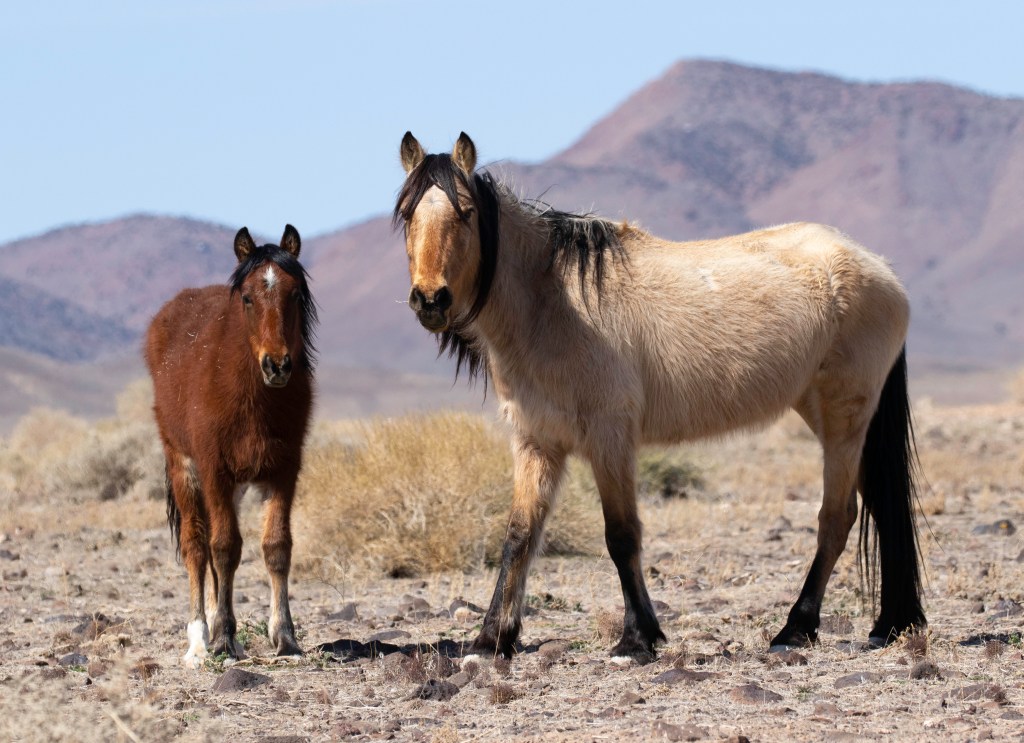
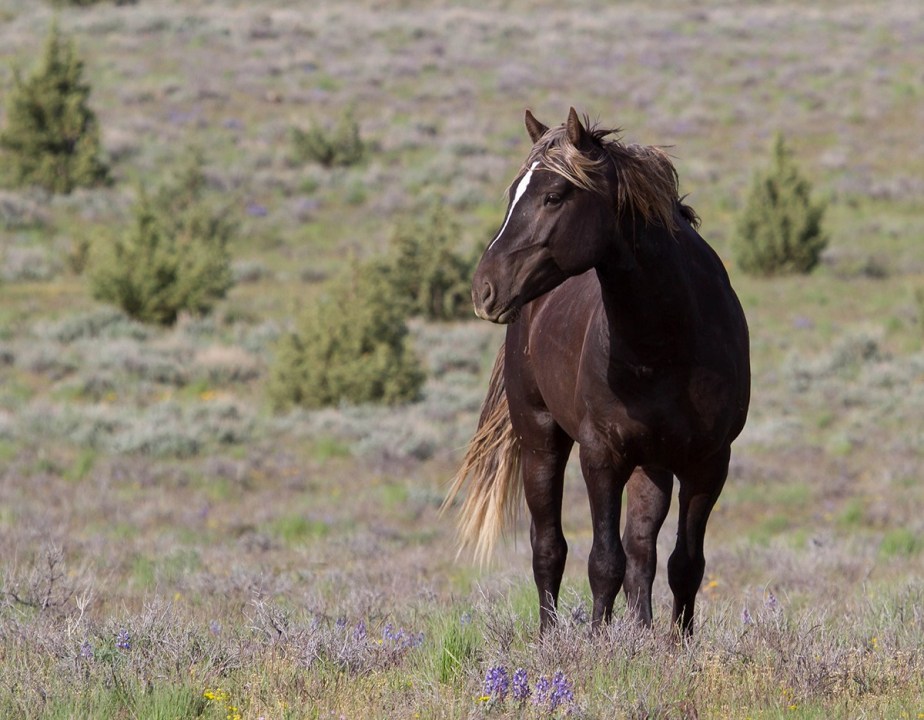
The horse in the feature image is a healthy horse on a properly managed range.

Wildhorse Management for Healthy Rangelands and Wildlife 

Nevada is the driest state in the United States. It’s vast stretches of sagebrush steppe are some of the largest undisturbed swaths of Sage Grouse habitat left in the West. Many big game animals and unique bird, fish and amphibian species make the mountains and basins of Nevada home. As a state mostly made up of high desert, water and forage are the limiting factors for the viability of all living things on the landscape. All animals, plants and birds depend on and share the often, scarce resources. 

Wild horses and burros also have their place out in the wide-open spaces on our State’s public lands and are legally protected by the passage of the Wild and Free-Roaming Horses and Burros Act of 1971 (WFRHBA). Familiarity with the law regarding wild horses and burros is a great starting point for those who would like to educate themselves about wild horse management and is available to read online.  

Horses and burro numbers managed to the original (AML)s, appropriate management levels, would be ideal and solve many of the problems we are seeing with degradation of habitat and critical riparian areas that are essential for all wildlife. Nevada has the privilege and burden of having the largest populations of wild horses and burros in the U. S. There are 177 (HMA)s, Herd Management areas, and Nevada has 77 of them. When the (WFRHBA) was passed, the carrying capacity or number of wild horses in Nevada was set at 12800. While this number fluctuates with gathers and foaling, the current number of horses in Nevada is approximately 40,000 horses and 4685 burros. Obviously, the number is far above the original number set which has contributed to degradation of rangelands and negative impacts to our native wildlife.  

If the BLM were allowed to gather the horses and get the number of wild horses and burros down to AML in every HMA, the ability to use fertility control instead of gathers would be a real possibility. With numbers far above AML this is not a practical or workable solution. Fertility control can help to stabilize populations but is not effective in reducing them.  

What can we do as sportsmen and women to ensure that balance is maintained on our public lands? We must be a strong voice for responsible management of the horses and burros along with all wildlife on the lands managed by the BLM. Balance must be achieved and then maintained to protect the health of our rangelands, wildlife and yes, even the horses themselves. There are many opportunities to engage in positive action: 

  • Write your Legislative Representatives asking for responsible Wild Horse and Burro Mangement. Ask that priority is made in budgets for management. 
  • Respond to Public Comment requests from the BLM on planning for Herd Management Areas asking for responsible management. 
  • Attend public meetings such as the Wildlife Commission meetings and make public comments.  
  • Educate yourselves and others on Wild Horse and Burro management issues. 
  • Make observations when in the field and report any issues you are seeing to appropriate partes, BLM and NDOW for example. 
  • Engage with and support efforts by the sportsmen organizations that are striving for balanced management of our resources and wildlife. 
  • If you are able, and need a new ranch, pack, or hunting horse consider adopting a horse from the BLM adoption program. They are sturdy and sure footed and could fill that spot in your string.  

End of article.

More to come on the cruelty of mismanagement by advocacy groups.

This horse is in bad shape due to an over population of horses on the Virginia Range. Many of the horses in the Virgina range are healthy but they are rapidly headed for a population crash. The fertility control is not effective. I will write more about this management debacle later.
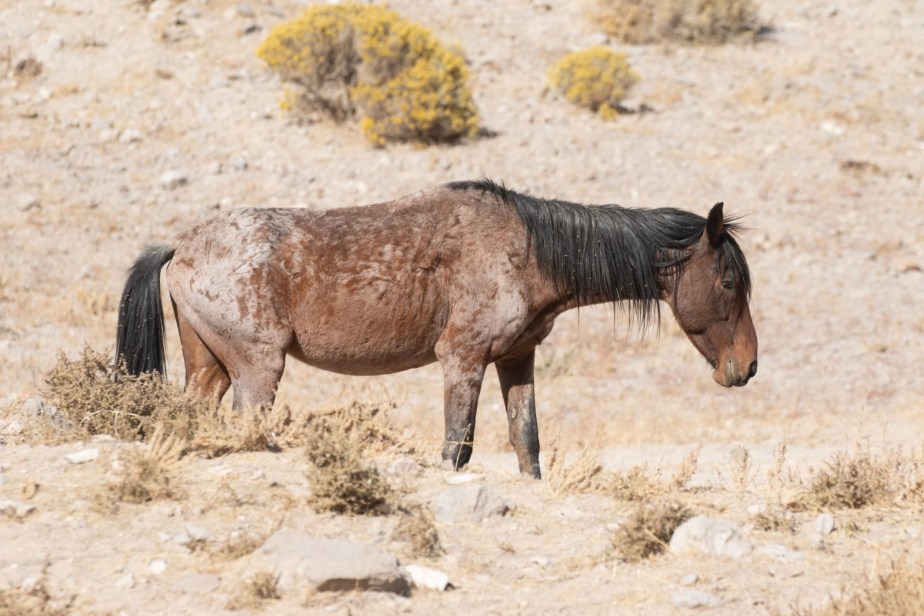
This Virginia Range horse is one of many displaying a painful skin condition. Because these horses are wild this kind of condition is almost impossible to treat. The condition may be the result of overpopulation and poor feed. The BLM does not manage the Virginia Range horses, Advocacy groups and the Nevada Department of Agriculture have a cooperative agreement. I alerted the group that manages these horses about this situation, and nothing has been done to help this horse.

Unexpected Gift

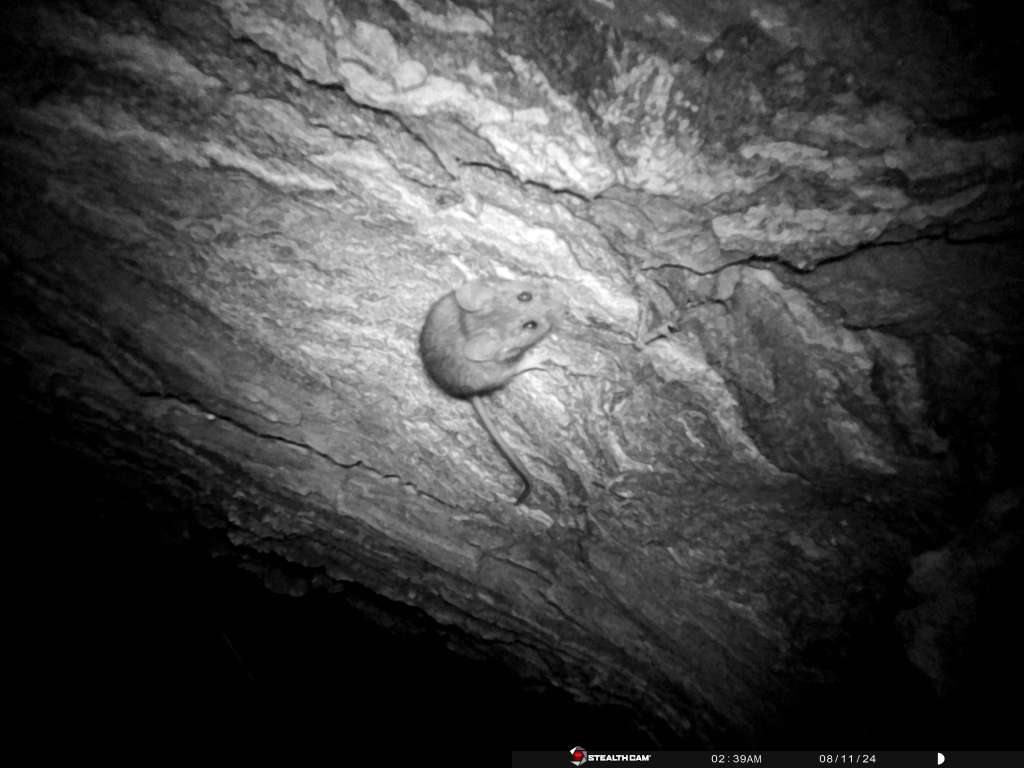
There are wild horses present in the areas I have my cameras set out. I have to carefully place them where the rampaging 1000-pound animals won’t knock them over, rub against them or otherwise play havoc with them. It is disappointing to wait two or three weeks to see what sort of photos you are going to get from a set and then walk up to the camera knocked over or askew. I have gotten better at placement, but it still happens.

A few weeks ago, I looked at one of my cameras in dismay as it had been knocked out of position and faced the bark of a big cottonwood tree that I had hoped would protect it from the horses. Well, that is going to be a complete waste of that set I thought. I was pleasantly surprised to see this little mouse show up on the tree bark at night.

Arabian Horses

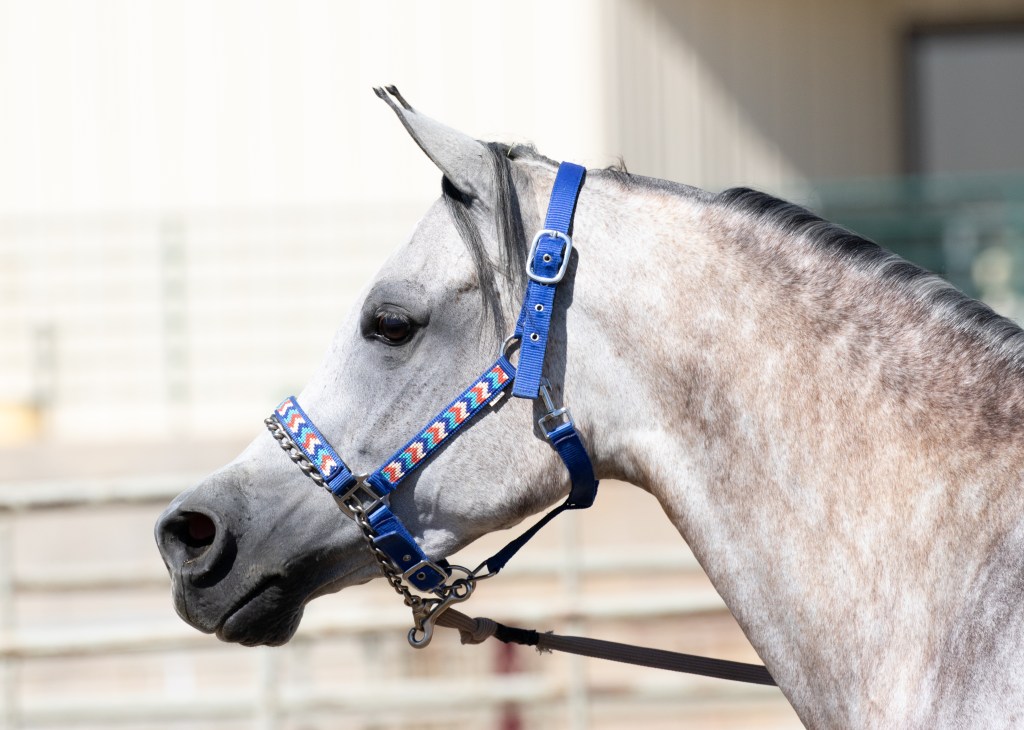
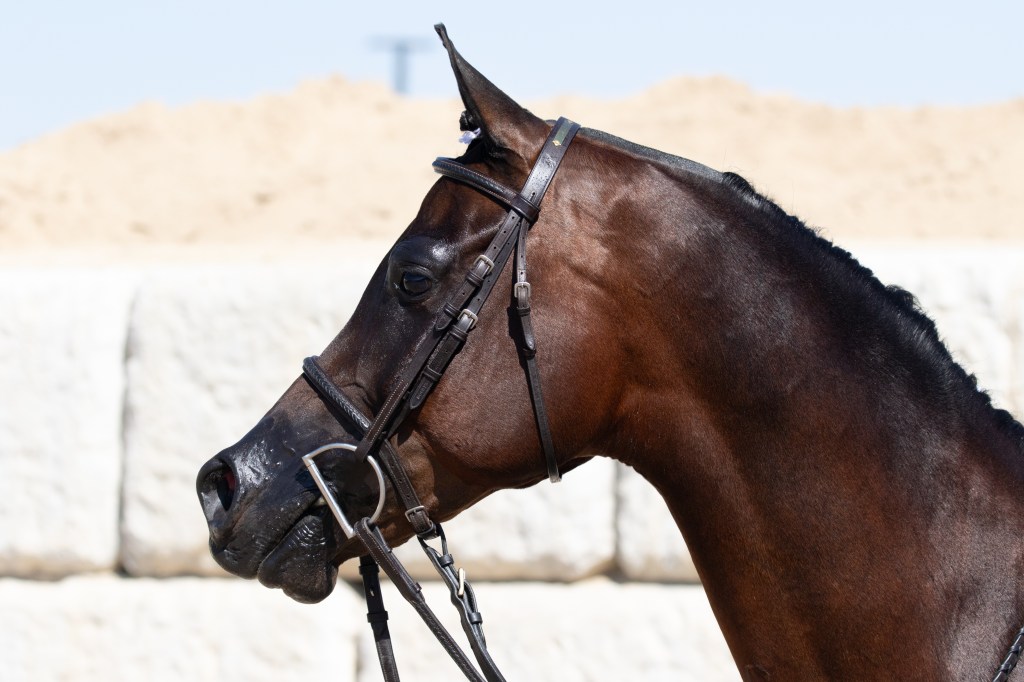
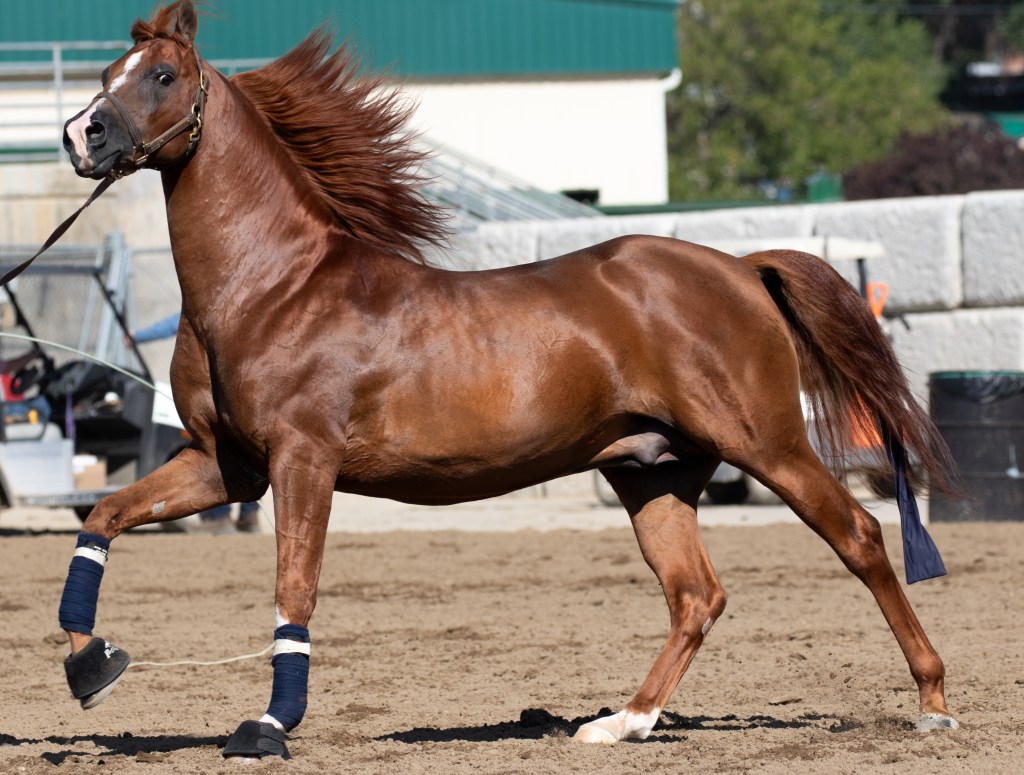
I love taking photos of wildlife and birds, but I have been neglecting another interest which is horses. I used to take a lot of wild horse photos, and I photographed barrel races and rodeos for years but have drifted away from those subjects. I am again thinking about getting out and taking wild horse photos and wanted to brush up on my skills. I live quite close to the Livestock Events center and so I spent a few days at a big Arabian Horse show that has been going on this week.

What pampered and fussed over animals these horses are! The grooming and primping was never ending as the horses were readied for their events. I had access to the barns and warm up areas which allowed me to get a lot of photos and practice.

I enjoyed photographing and spending time around these beautiful horses, but I thought they looked bored with all the falderal. I look forward to finding myself among the scruffy, unkempt wild ones once more.

Morning Walk

I walked the dog early this morning so I could get out to the river. I sat for a while along the path the Bobcat takes in hopes of seeing it in person and getting some photographs. No luck. It’s going to take a lot of patience to ever get an in-person sighting. No walk is ever a waste of time. It was lovely out there today.

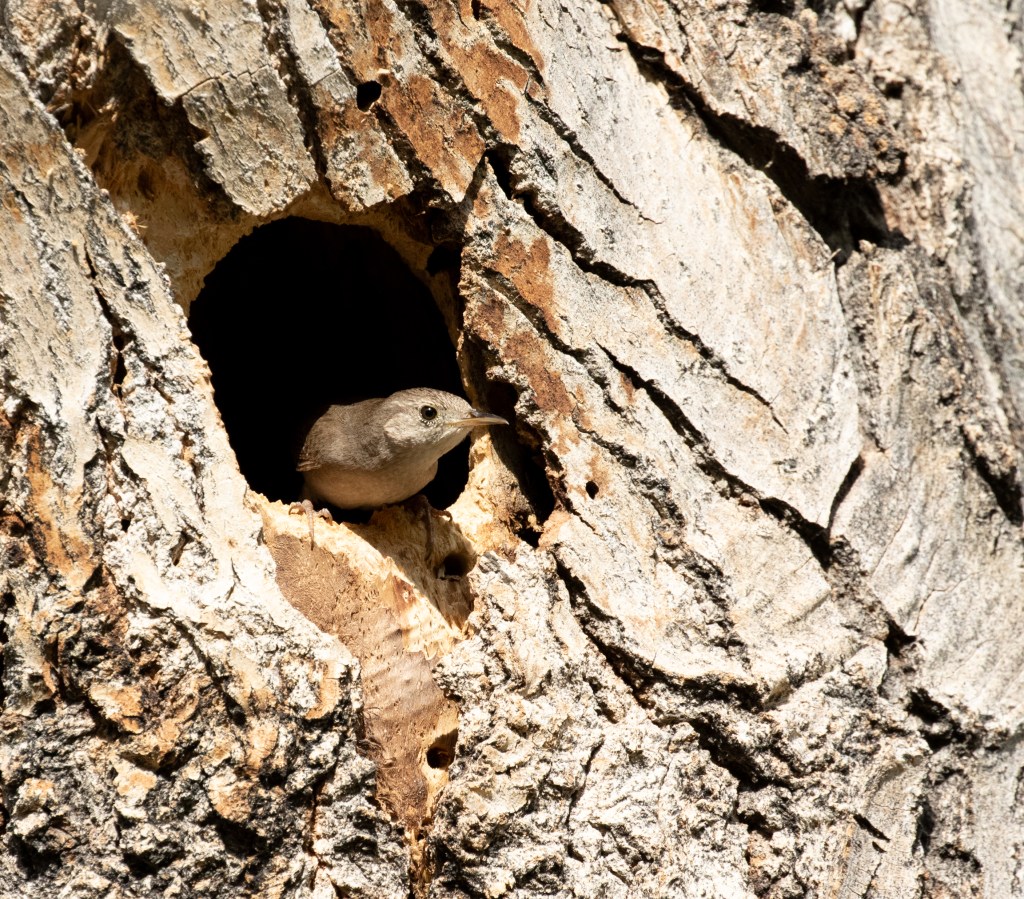
This House Wren and a Northern Flicker seemed to be competing for a hole in a large cottonwood tree. No doubt the Flicker made the hole and the wren was bug hunting inside.

It is difficult to get close to Flickers so I was pleased to get these photos.

On the way out I caught sight of this wild horse across the river. I have seen him a couple of times before in the distance. He is a mature stallion and looks quite healthy. It is unusual to see feral horses alone. Since he is older, I can only assume he has lost his mares to another stallion. Younger males without mares hang out in bachelor bands. Horses are so social that this kind of behavior is out of the ordinary.

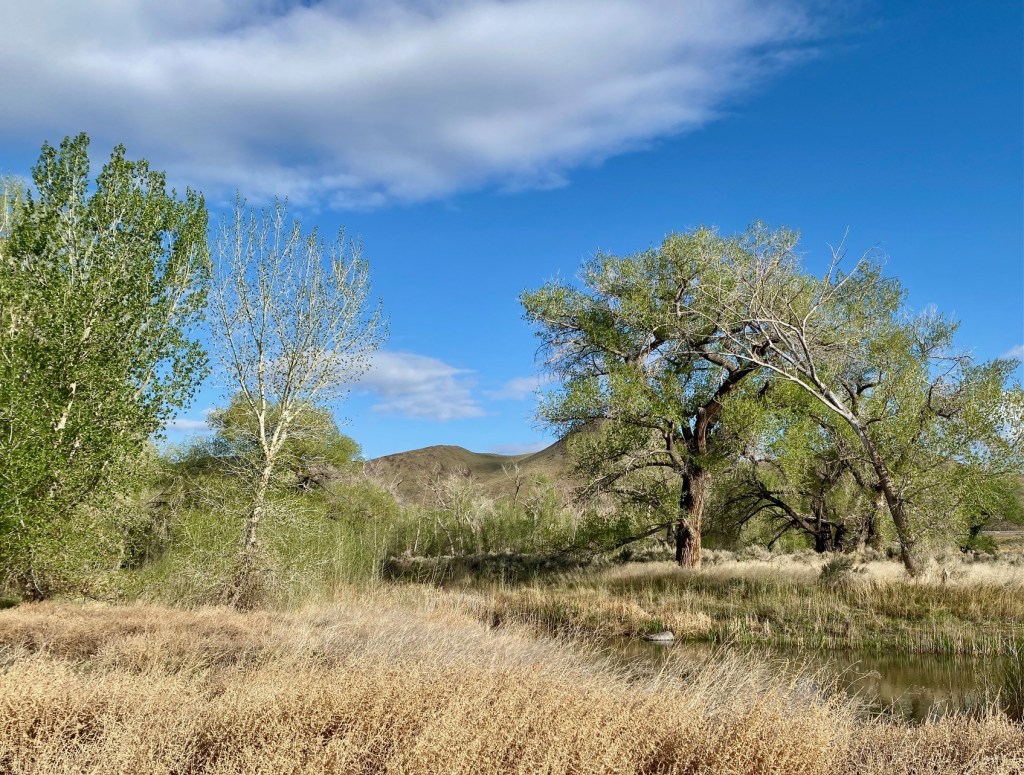
This is a typical landscape of the area I am walking in. The cottonwood trees are getting serious about leafing out now. Small ponds like the one in the foreground are starting to fill up. The river is running fast and full of snow melt from the Sierra Nevada west of here.

To Early for Babies

I haven’t been taking photos of wild horses for some time. Honestly, they can be a little boring depending on the time of year. We are approaching the best time to photograph them in my opinion as it is getting close to foaling time and that means lots of cute babies and fighting stallions.

Still in Their Winter Coats

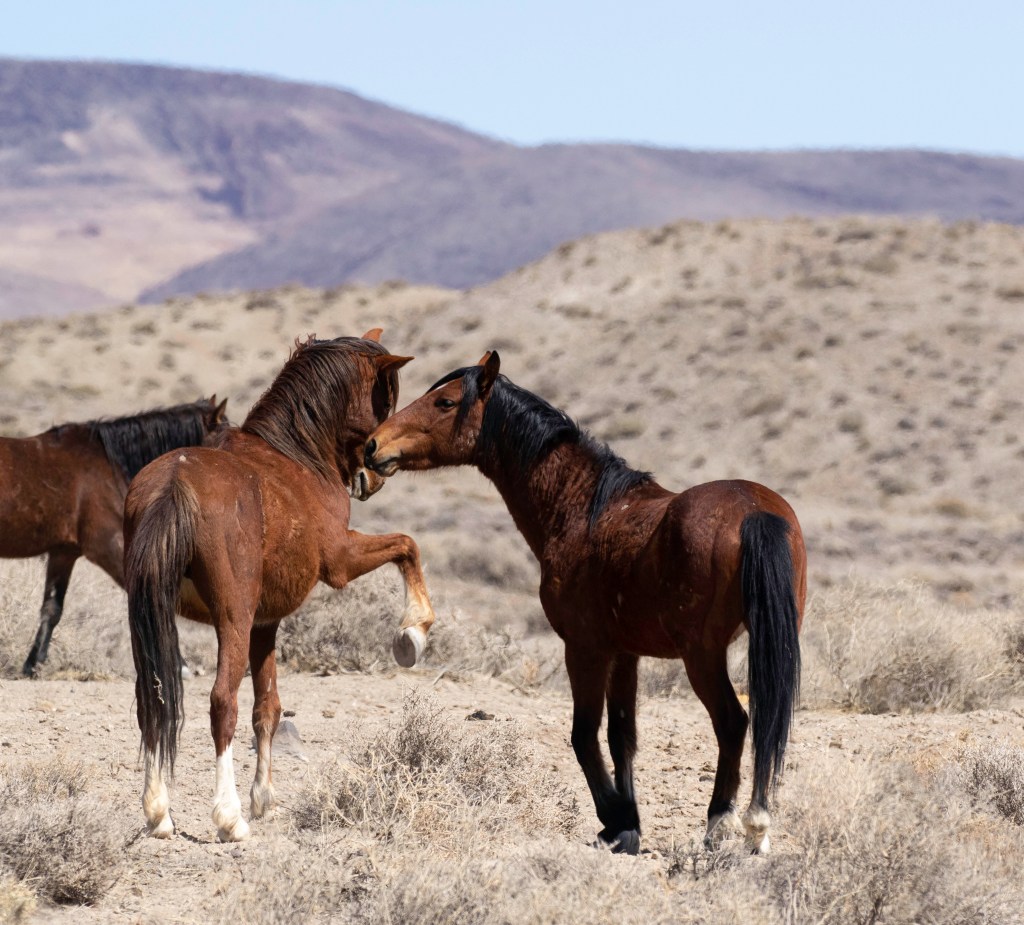
These Stallions let their bands get too close too each other going to water so I saw some action.

Getting Warmed Up
Full Tilt

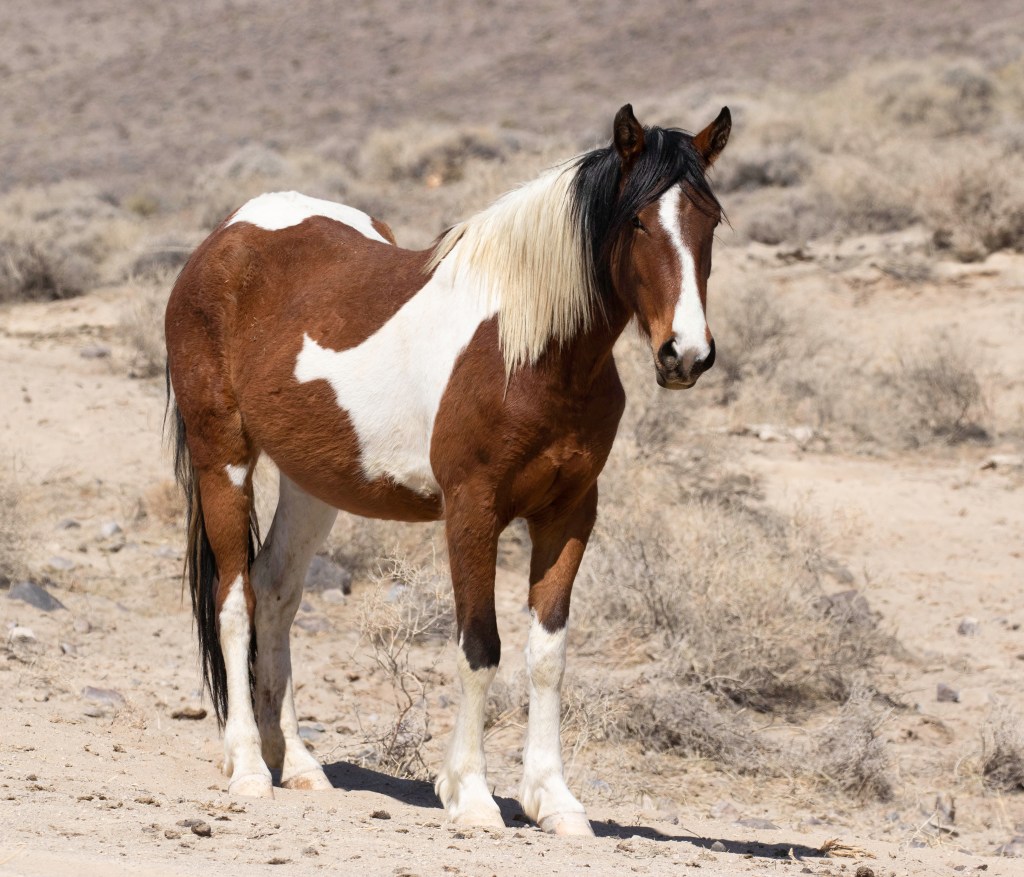
I saw lots of pregnant mares and I think I was about two weeks too early so will be checking on the herds the next few weeks. It was great to see so many colorful pintos and paints out there this year.

Exciting Time of the Year for Wild Horse Photography

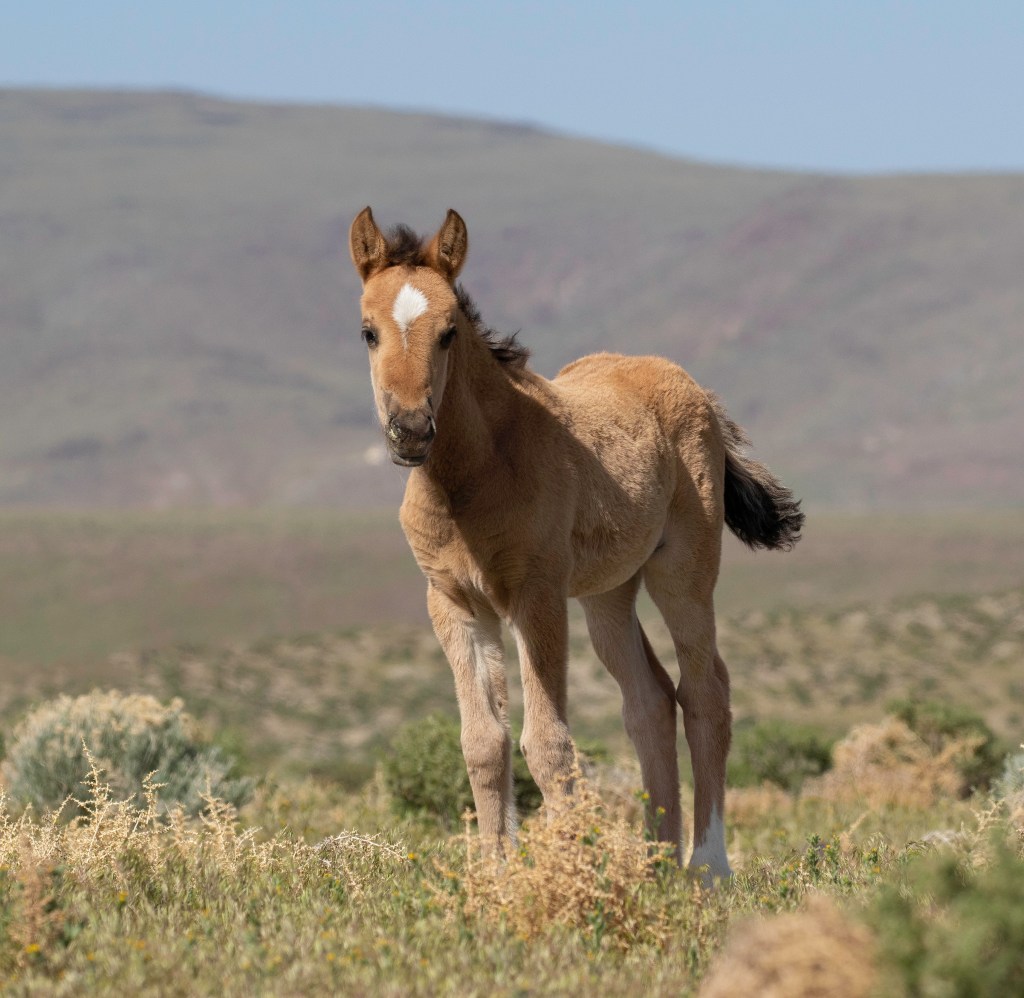
For many months of the year there is not a lot going on with wild horses to make for good photos. Horses grazing quietly don’t make for dynamic or interesting photos in my opinion. This time of year we have a crop of new foals which are fun to photograph and fighting stallions which are my absolute favorite subject.

After a mare foals, if everything had gone alright, she is ready to breed again in a week or two. So the herd stallions and bachelors are on the hunt for a mare who is receptive. That naturally puts the males in competition.

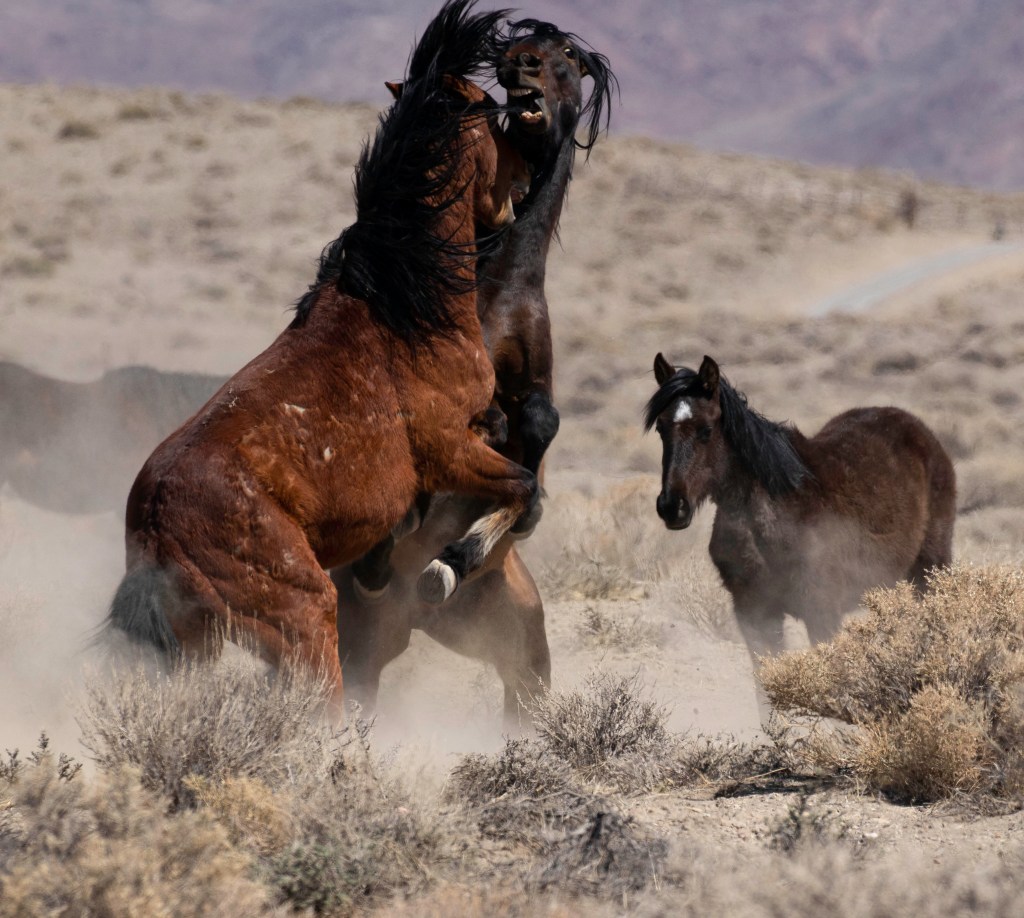
In this series of photos, the Roan Stallion is the herd stallion. He comes charging up the hill when he sees that a handsome young bay bachelor is making time with one of his mares. She coyly greets the bachelor with arched neck and they are getting to know one another when the Roan inserts himself in between them. They all sniff noses for a few minutes and then the bay presses his attention which results in a fight. The mare slips off while these two settle it.

The Bay bachelor is rebuffed and leaves to try his luck somewhere else.

Kiger Mustangs

I spent a few days at Frenchglen Oregon this last week and paid a visit to the Kiger Mountain BLM Herd Management area to get a look at the famous Kiger Mustangs that reside there. These horses are unique in that they are true Mustangs descended from the Spanish Barb horses brought to North America in the 17th century. I don’t use the word Mustang in relation to the wild or feral horses I usually take photos of because they are not truly Mustangs but rather a mix of domestic stock that one way or another has over the years become wild and proliferated all over the West.
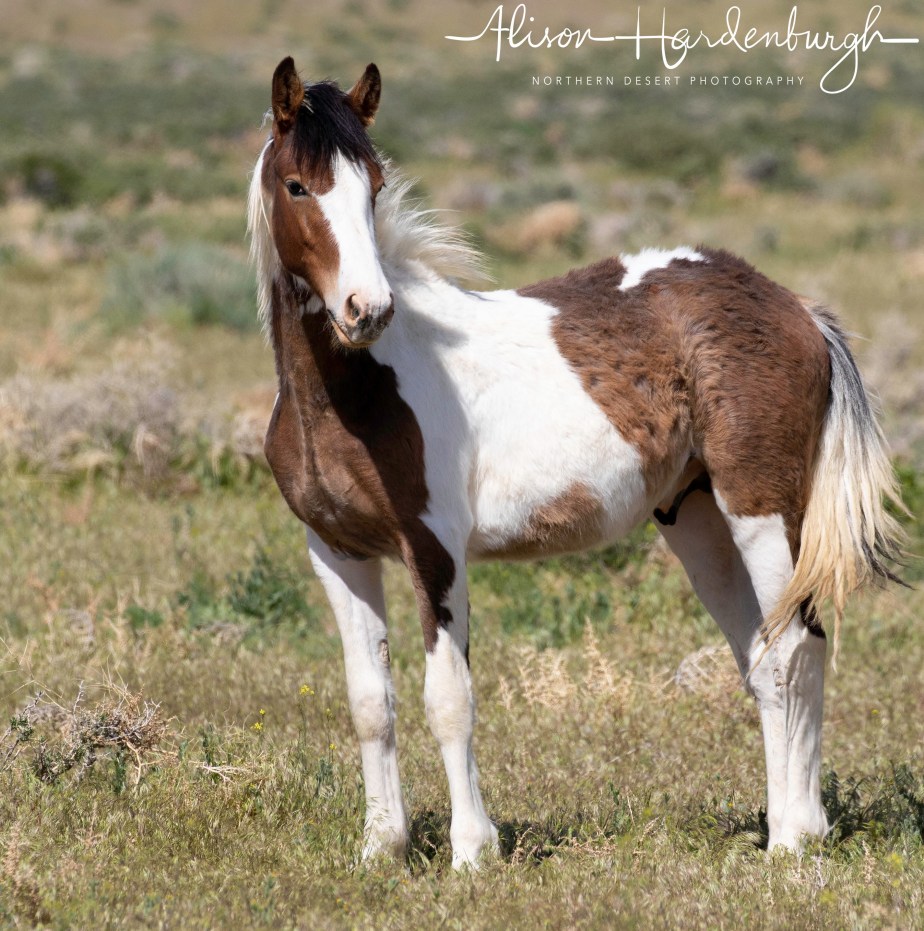
The Kiger herd was discovered in roundups in the 1970s, the horses have distinct characteristics that set them apart from other horse types. They were genetically tested and their DNA proved that they were Mustangs; a bloodline that was thought to have disappeared from America’s wild herds. These horses are carefully managed and protected to preserve our heritage. They are kept separate from other feral horses to keep the bloodlines pure. They are fenced in two very large management areas and are still truly wild.

I had to use a lot of patience to get close to them. The Stallion was especially protective and he charged out aggressively when he saw me to make sure that I was not a threat to his band. Very slowly and in a roundabout way I worked my way up to them. Once I was among them they relaxed like most of the feral horses I photograph and did not pay much attention to me other than some curious looks with pricked up ears which makes for good pictures.

I had heard these horses were different, very beautiful and they are! They are mostly a dun color though other colors are allowed, there was a grulla mare in the band I found, (mouse gray) and I saw in this little herd, most of the identifying characteristics that set them apart. They have primitive markings like a dorsal stripe down the back, some zebra striping on the legs, some have two colors in their manes and black points. They are fine boned and refined looking. They have nice heads and are short backed, overall good confirmation with an athletic look. Looking at the photos I think you will readily see the difference in the Kigers from other feral horses. The Kiger horses were used as inspiration for the animated film that DreamWorks created, “Spirit, Stallion of the Cimarron, made in 2002. The stallion in the band I observed looked very much like the animated character, Spirit.

These horses were very alert especially the Stallion. While watching them I saw them notice some antelope in the far distance and they were very interested in their movements. After I had spent some time with them, the stallion charged up the hill after something he had seen ready to do battle. I never saw what he saw, maybe a coyote, but the herd followed him and I let them go at that point and hiked back to my car.

The Challenger

I took my new 7dmarkII out for its second test run Saturday and got lucky with some action at the water hole. In spite of the wet, cold, weather we have been having, the wild horses are still frequenting the pond. It started out boring with just one lonely bachelor hanging around but soon got very interesting. This young stallion had decided he was ready to take on the big boys and he challenged each stallion who showed up escorting his mares to drink.

Some of the skirmishes were short and it didn’t seem as if the older horses were taking the challenger too seriously. One stallion was not in the mood for the young bachelor and they had several encounters that were interesting to watch.

Most of these fights take a predictable path. The herd stallion runs out to meet the threat, any sexually mature male, they usually sniff noses followed by squealing or roaring and some hoof play and or nipping. Often that’s it and the bachelor runs off; end of drama.

The challenger, I will call White Socks as he has four white socks, was not running off. He was particularly vexing for this bay stallion who was not amused at his nonsense. They mixed it up several times without anyone getting hurt and no lost mares for the Bay.

The bay displayed most of the classic herd stallion behaviors. He moved his mares off and then turned to meet White Socks. In the photo with his head down he is “snaking” the mares out of the way.

Not all the pictures are in good focus. I need to work on that. Still getting to know the camera. The 7dII by the way is able to handle all the fast action without pausing. I will have to watch that. The editing was a real chore. 😉