Bearing Witness

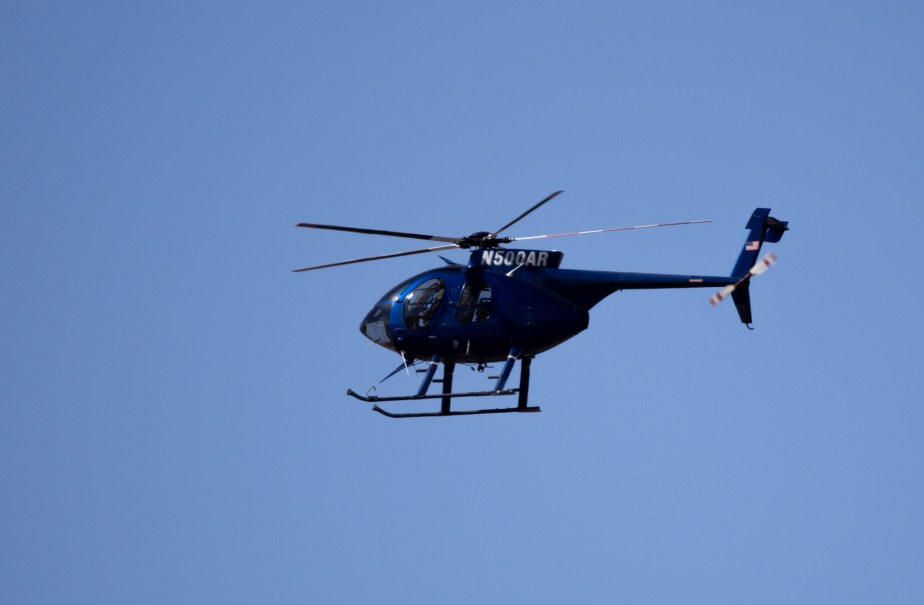
As winter rapidly approaches the high deserts of the Great Basin, the Bureau of Land Management has the thankless task of gathering overpopulated wild horses off our drought stricken and fire ravaged western ranges. The activists against responsible management have stepped up their game of protesting these gathers by taking legal action and stopping some of the emergency gathers. One of the tools in their toolbox is attending gathers, photographing them and sensationalizing any mishaps that inevitably occur in handling wild, unhandled animals. Yesterday a group of conservationists, myself included attended a gather north of the city. We had several large wildfires this summer and there is little forage left for any of the animals that live there.

The BLM’s 2026 North Complex wild horse gather will begin October 17, 2026, targeting about 320 horses to bring the population down to the 101–157 “appropriate management level” (AML)
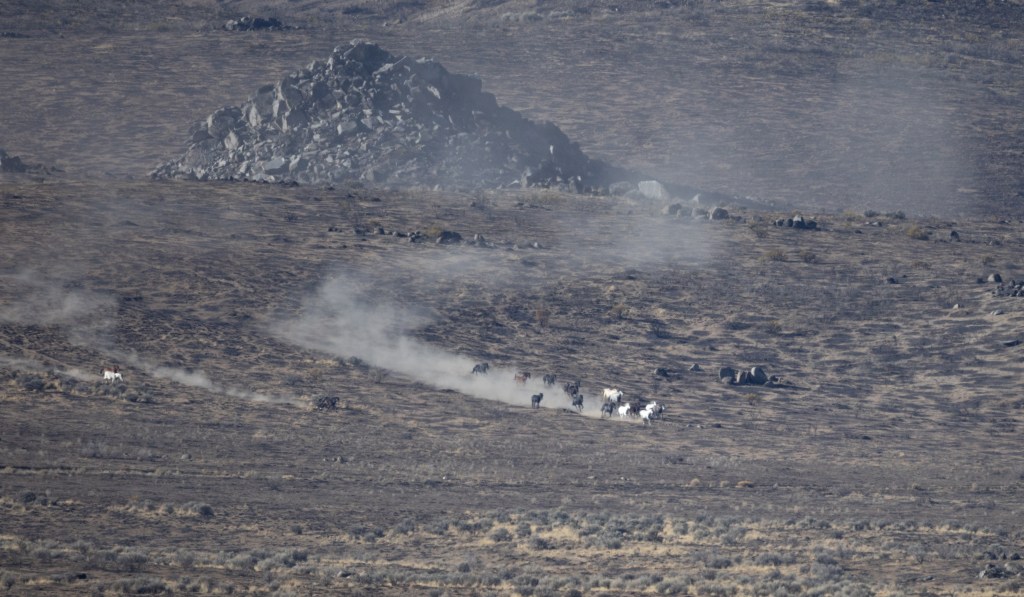
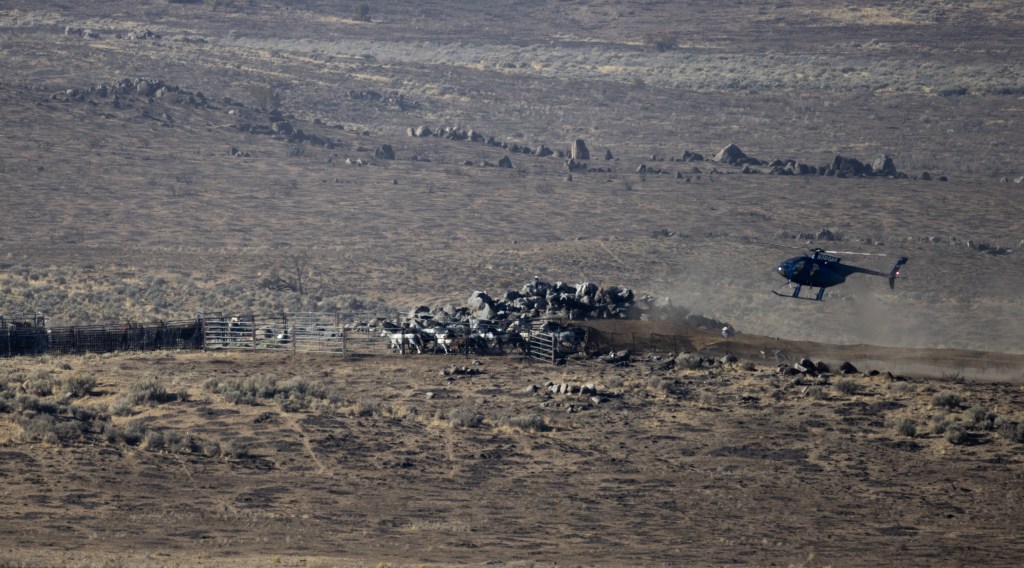
Attending these gathers takes some commitment. You must notify the BLM of your intent. You then wait for a phone call the night before a gather operation. You are told where to meet the BLM officials conducting the gather early in the morning the day of. You are met by BLM wild horse and burro specialists, BLM law enforcement and other civilians who have been approved to attend. Then you convoy out to the gather site. The observers are usually placed about a half mile from the trap site, and this was true in our case. While you have a clear view of the helicopter bringing the horses to the corral it does not make for great photos. Too far, and 80-degree weather ruined my pictures with the heat haze that plagues long distance photography in the desert. You then are committed to staying at the observation site until the operation concludes for the day and the BLM escorts you out of the area.
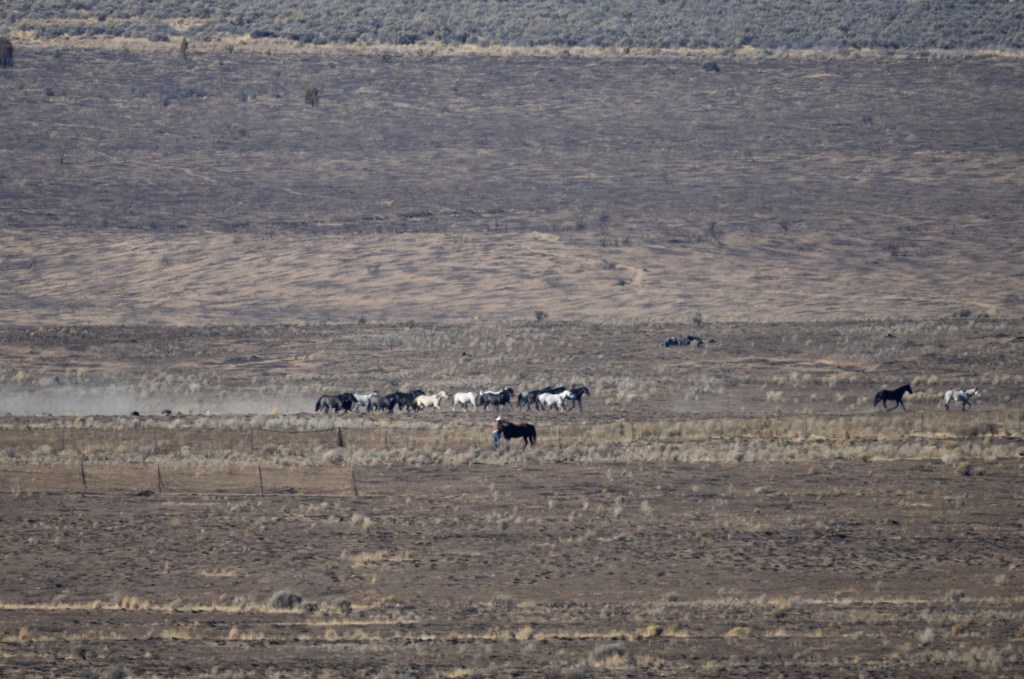
A cowboy holds the prada horse, or judas horse. A horse released to lead the horses into the trap.

Access to the trap site used to be better. You could be pretty close and really see what was going on. Activists ruined that for everyone by behaving like lunatics, running out in front of the horses entering the trap and threatening BLM employees and contractors running the gathers. In one case they caused a horse death and an injury to a contractor.
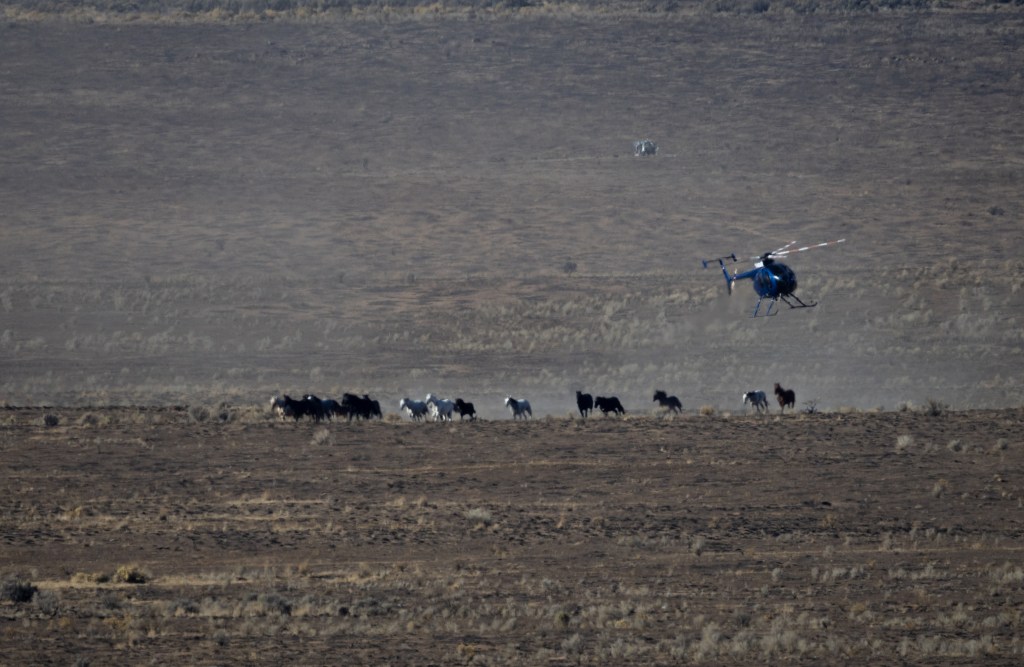
Helicopter turning the horses into the trap

We observed a smooth operation, professionals doing their job professionally. Some of us are committing to attending more of these operations to counter the narrative of activists who claim the BLM is cruel and helicopter gathers are inhumane. I am planning to attend several this winter across the state to bear witness to the need for these gathers and to counter the drama that is being pushed by people who don’t want or understand the need for management. Some horses are going to starve in areas that legal injunctions have halted gathers. These areas have burned and forage is gone as we go into winter. Part of my plan is to document those horses suffering as well. It isn’t my dream to see and photograph this type of situation but the reality has not been adequately shared. Looking forward to long freezing days in America’s outback.
,
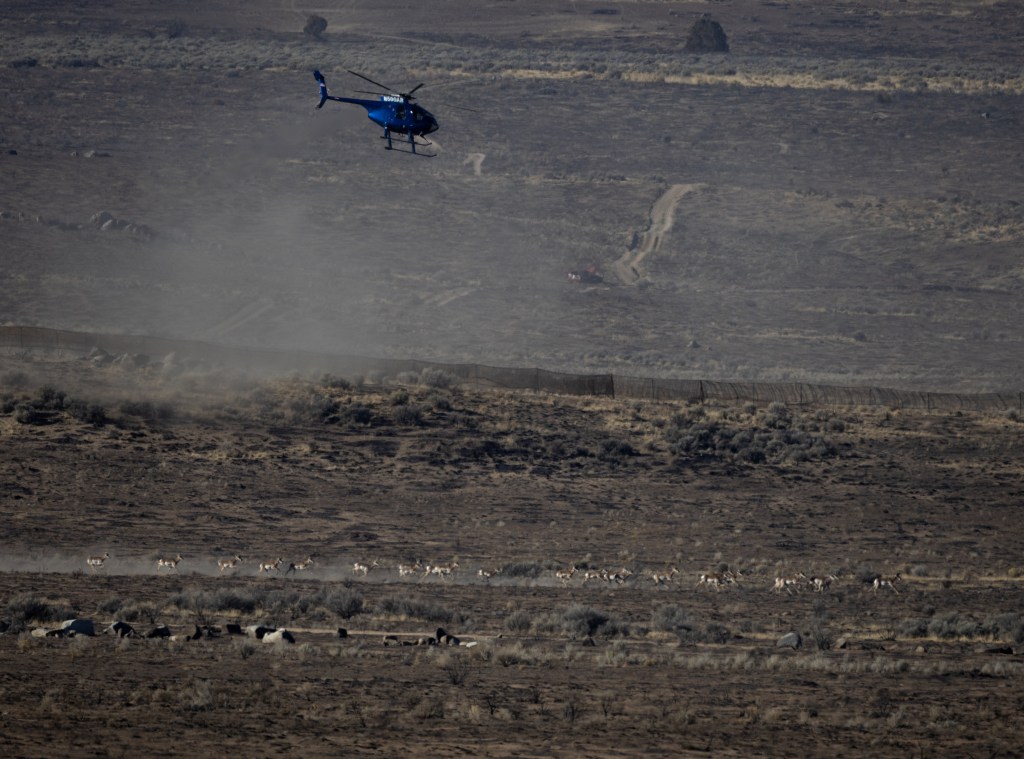
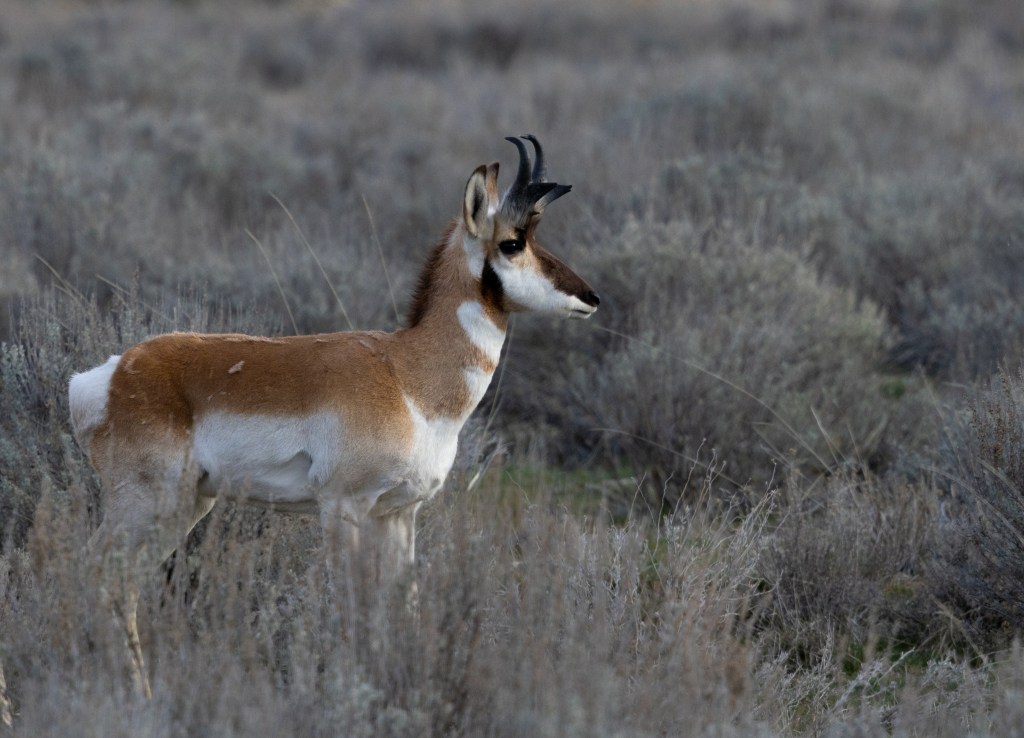
Pronghorn hanging out near the trap site. They were unbothered by the operation.

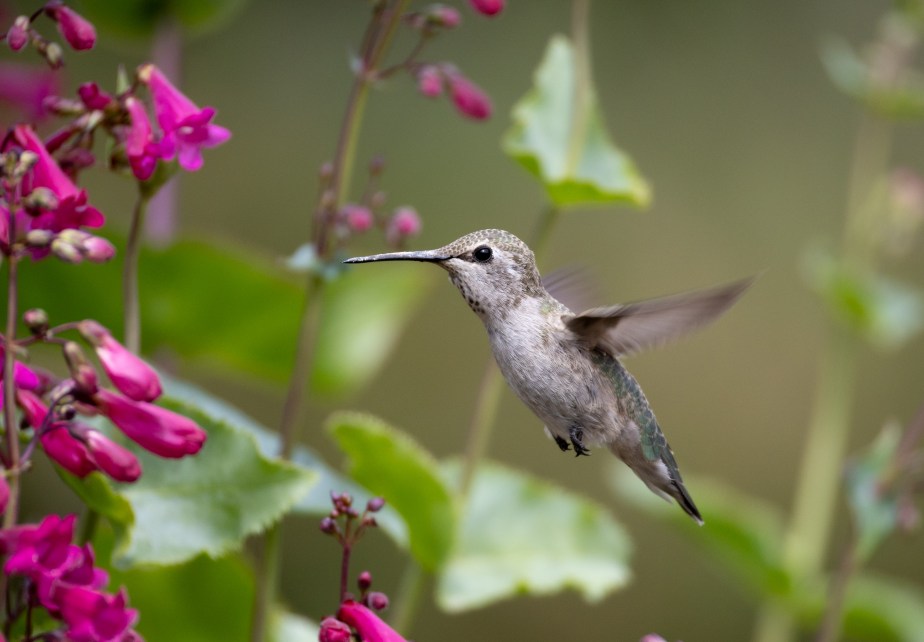
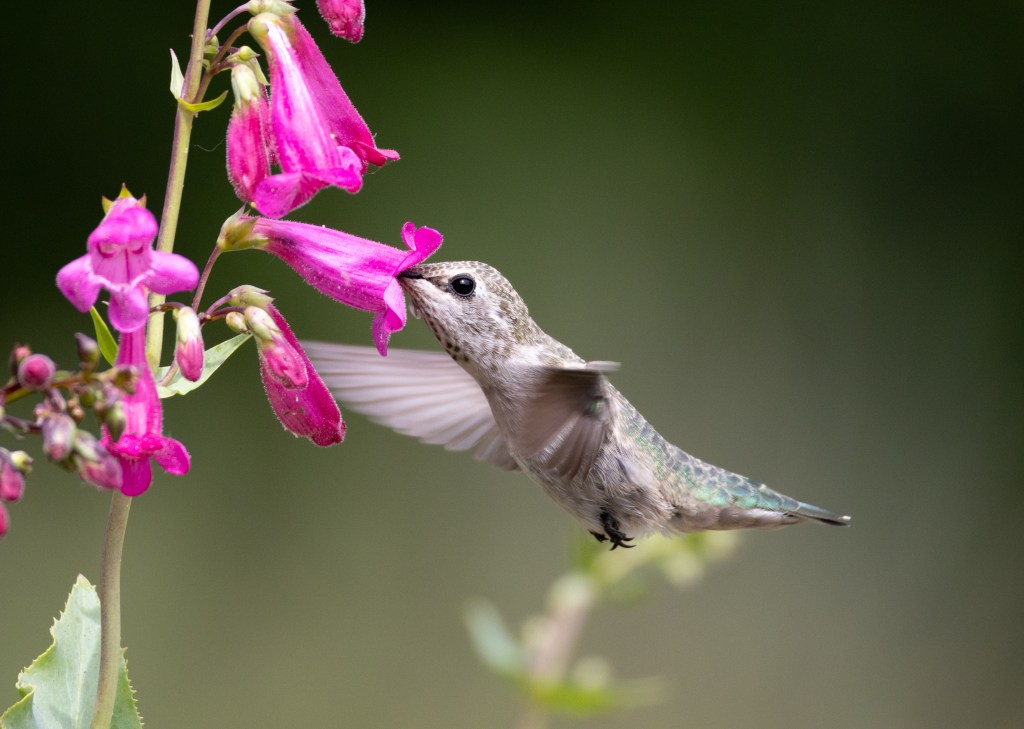
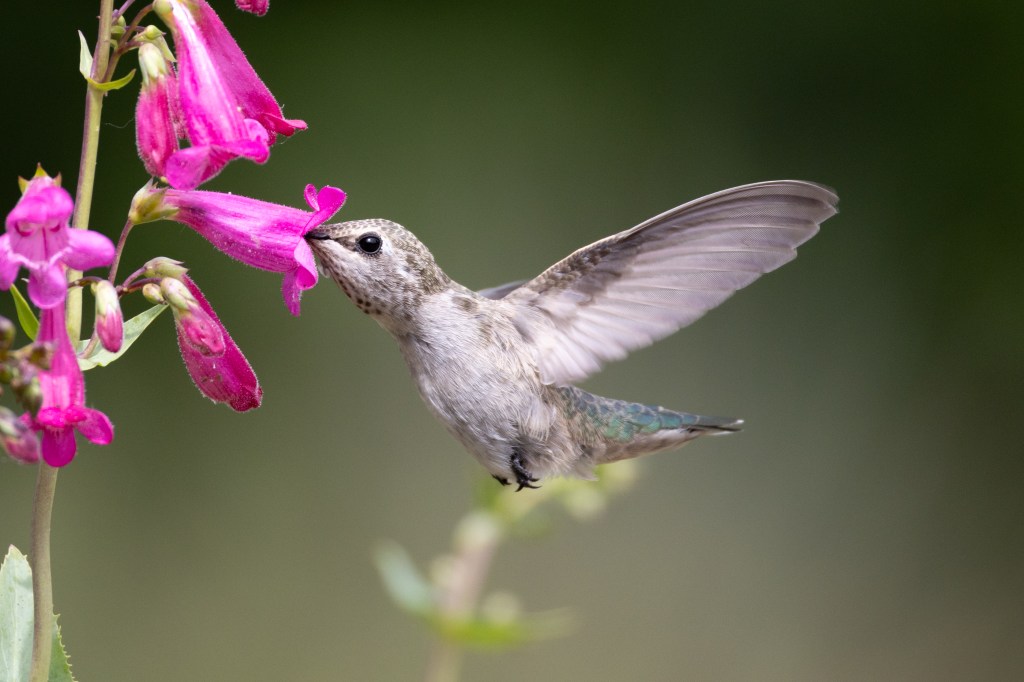
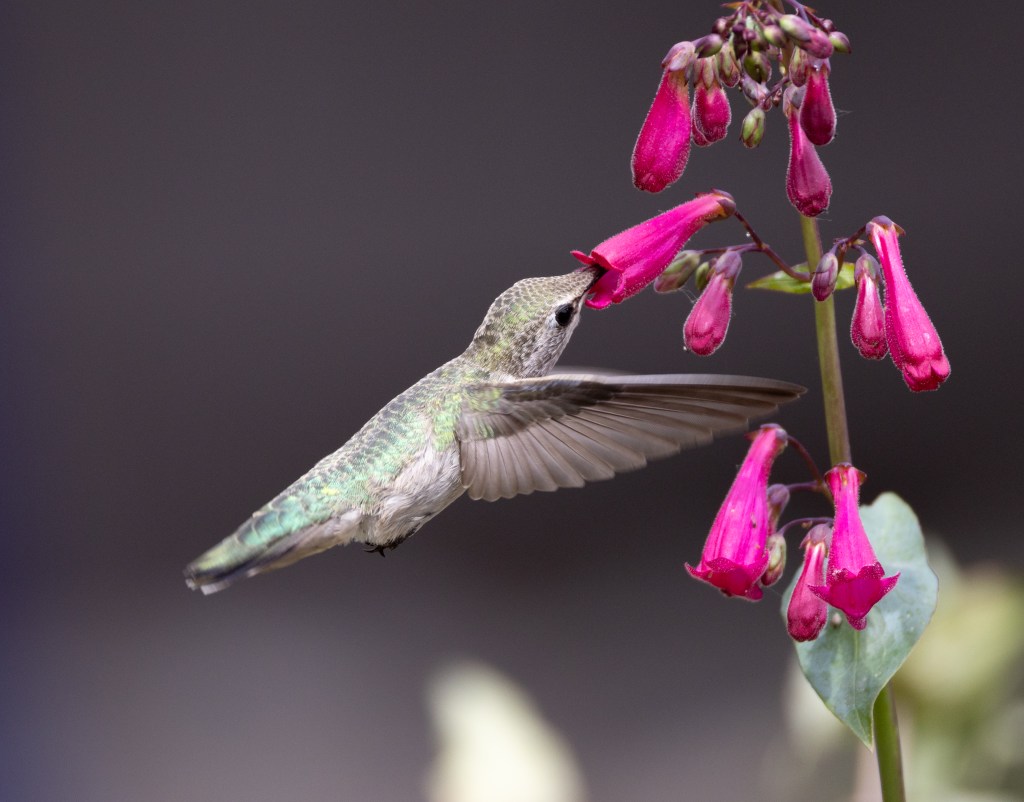
Spring Hummingbirds with Pink Flowers

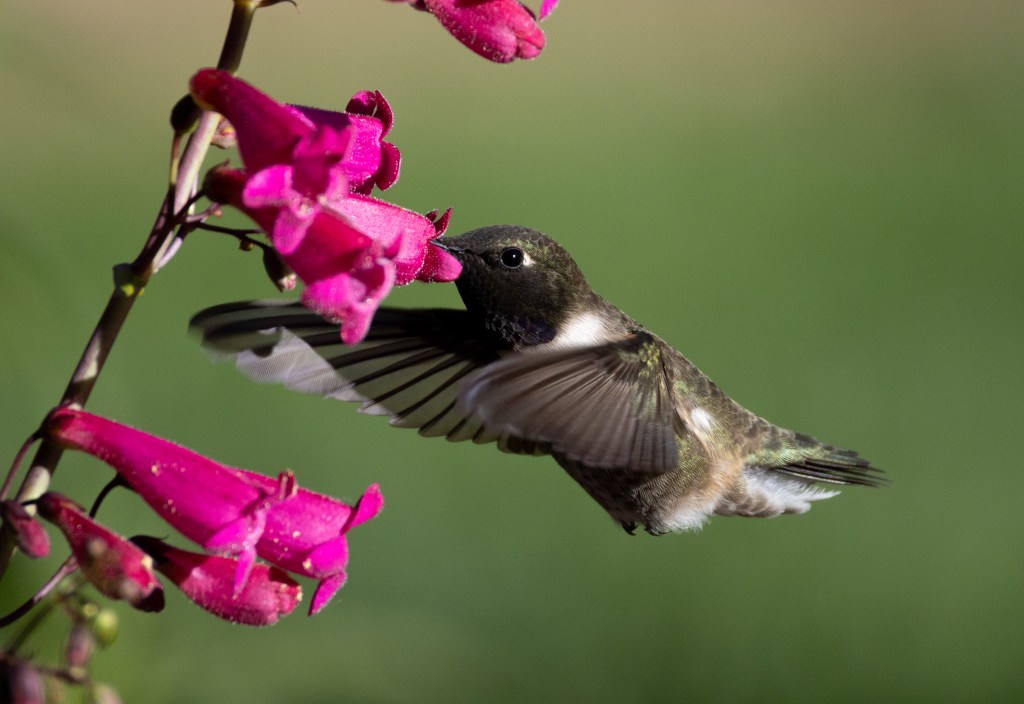
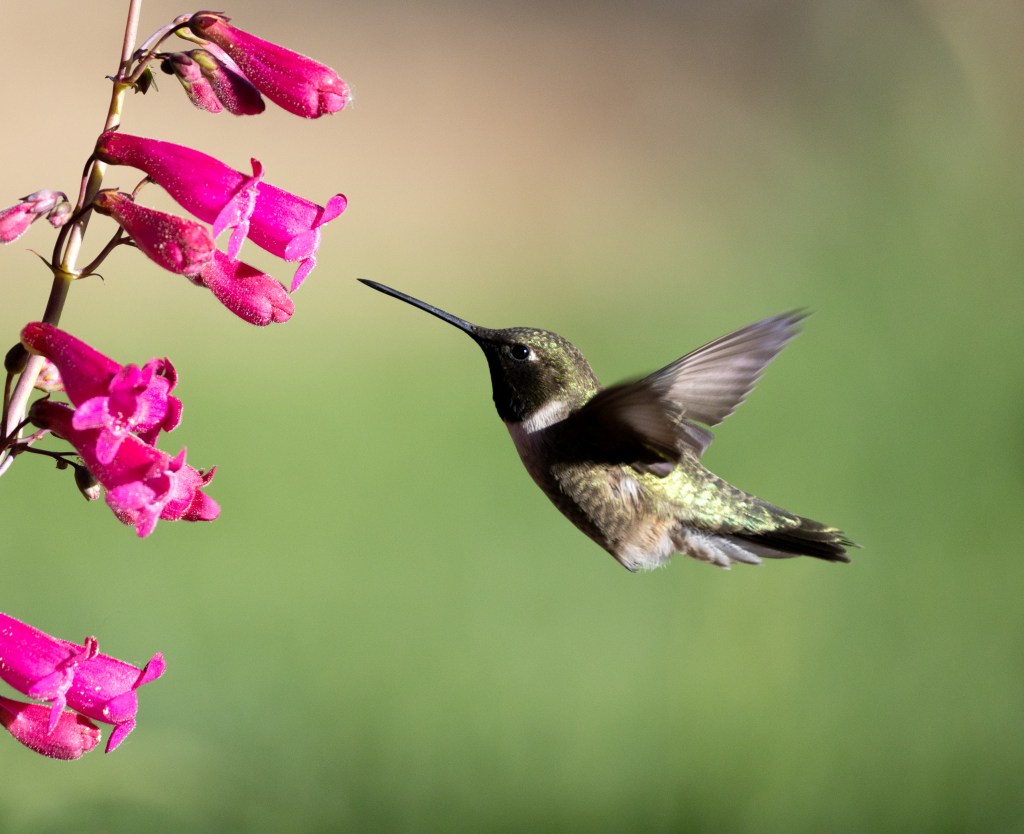
The hummingbird season was somewhat different this year. More of a steady stream of birds starting in the spring and continuing through the summer without the frenetic activity I usually see in August. Starting in May, I have Anna’s and Black chinned hummingbirds visiting my feeders and the early blooming pink flowers I have in their garden.

Trail Cam Catch Up

This summer was a tough one for the area with several large wildfires that burned right up to the city limits. At one point 90,000 people had to evacuate their homes. Around 50 homes were destroyed and at least 2 people lost their lives. We were a few blocks from the evacuation zone but thankfully did not have to leave. The sometimes-overlooked cost of these fires is the lost habitat and food sources for wildlife that occur. With critical areas burned animals are already making their way into urban areas to find food. The park I sometimes walk my dog at had a mother bear and two cubs darted and removed this last week. This area is well within the city and not normally considered bear habitat. With record snowfalls predicted as a historic El Nino is forming off the west coast we could have a terrible winter for wildlife.

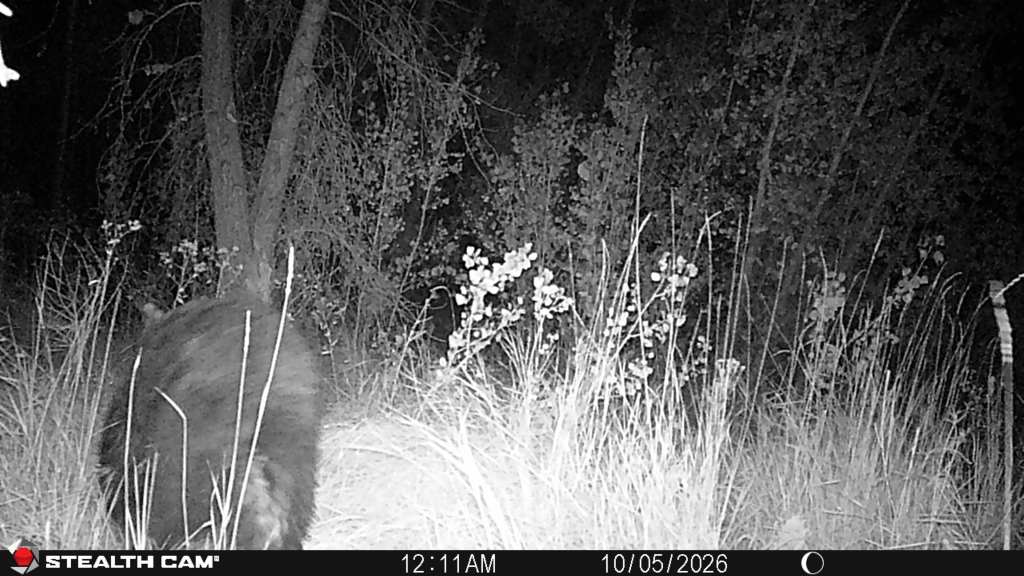
Bear along the Truckee River

This is a crappy photo but is indication of the movement of wildlife in the wake of the fires. Bears live on the mountainous west side of town and rarely venture to the areas east of there because it is desert. I run my trail cameras along the river corridor east of the city. I collected my memory cards yesterday and was shocked to see a bear when going through the pictures. Over 10 years of monitoring this area and I have never seen a bear out there. Wolves have been spotted just north of the area as well. Maybe I will get lucky and catch one on the cameras.

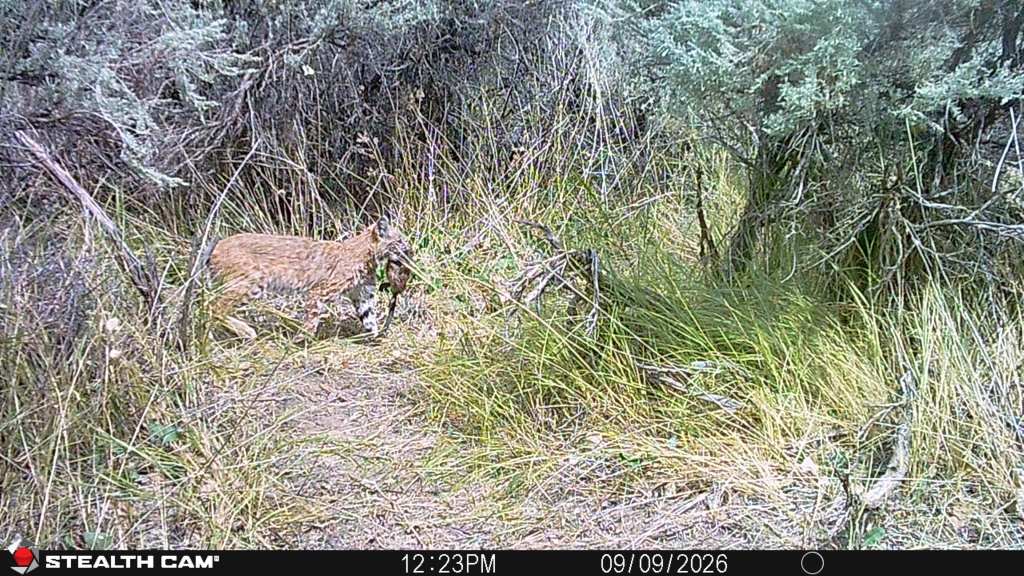
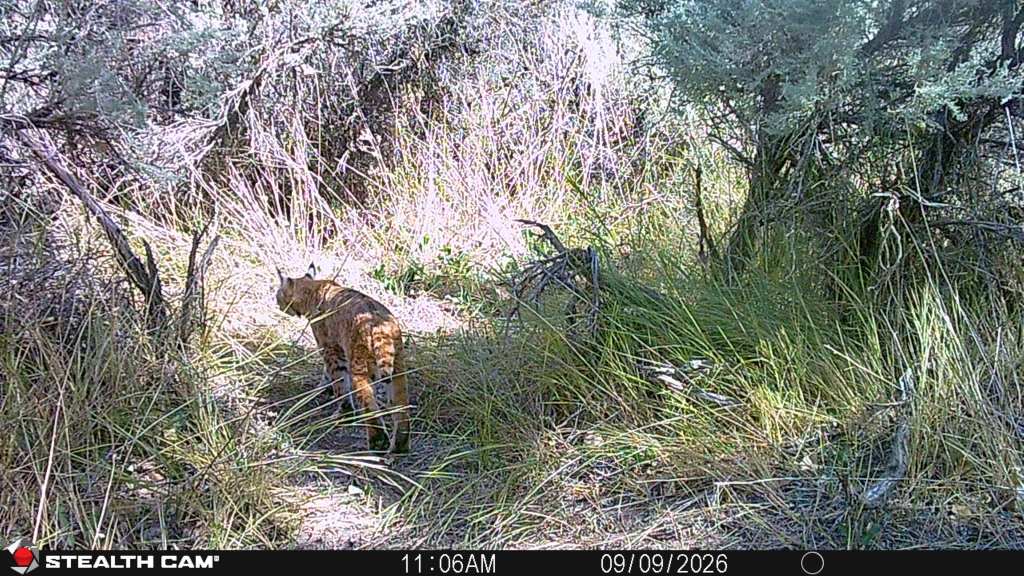
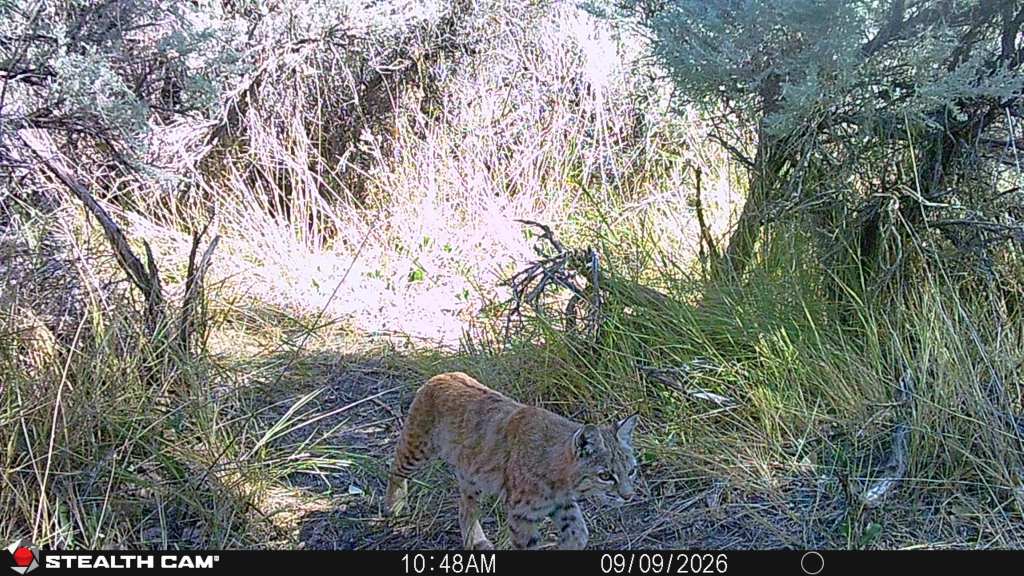
I have not seen any mountain lions for a few months. It may explain why I am seeing a lot of bobcats.

Bobcat with a muskrat
Trail Camera[MP:00]
Trail Camera[MP:00]

I think it is going to be an interesting winter for wildlife monitoring. We shall see what we see.

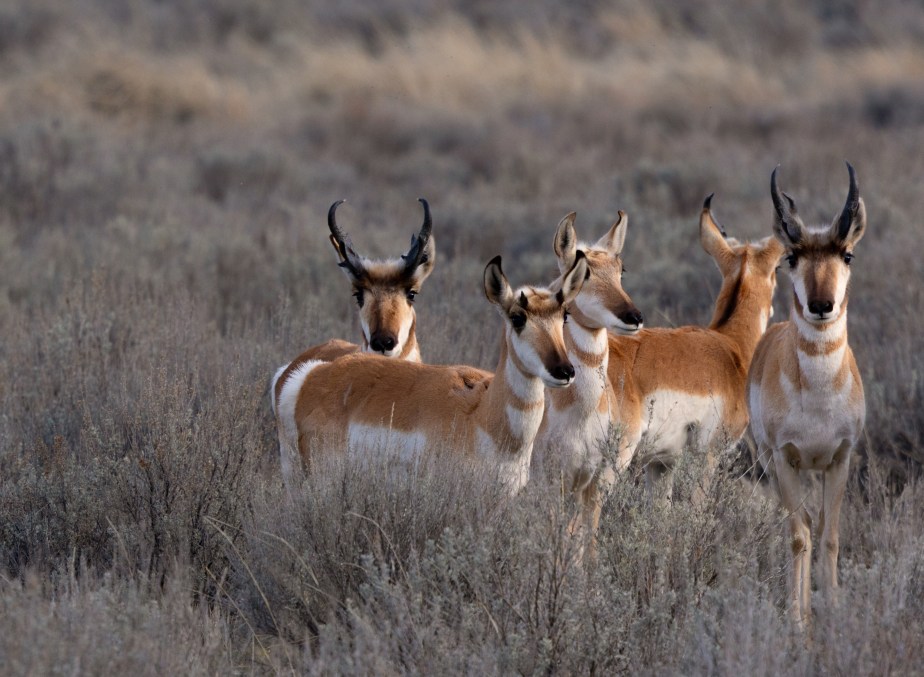
Pronghorn

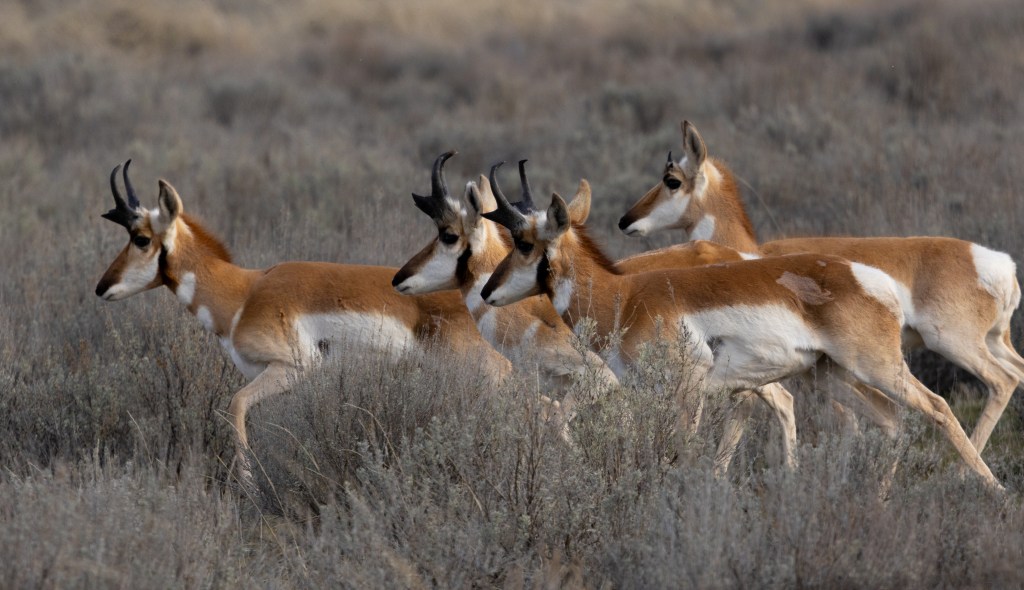
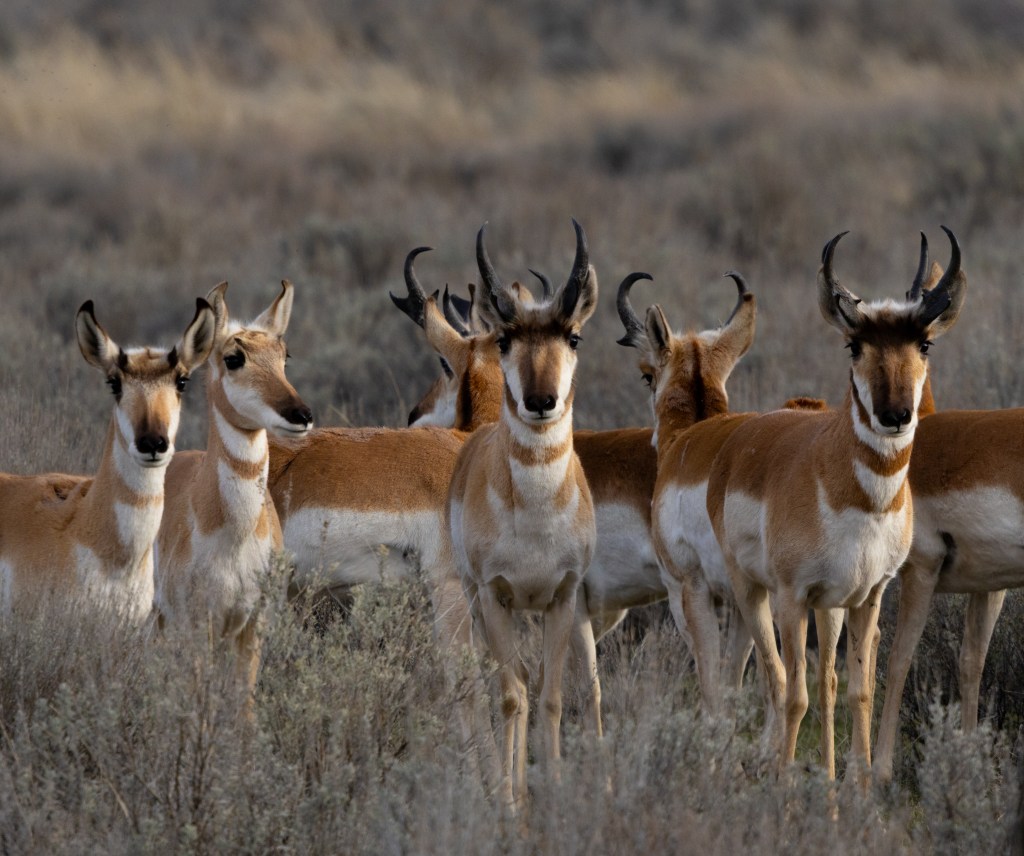
I have been going out in the evenings trying to find owls to photograph. Barn Owls and Short-eared owls often fly at dusk this time of year. No luck with owls thus far but I did run into this nice little band of Pronghorn. They are my favorite animal. They look so exotic for the sagebrush steppe. Like something that would be more at home in Africa. Their huge eyes and unique colors make them a beautiful contrast on the drab winter landscape.

I am a Scaredy Cat, Scared of Cats and…

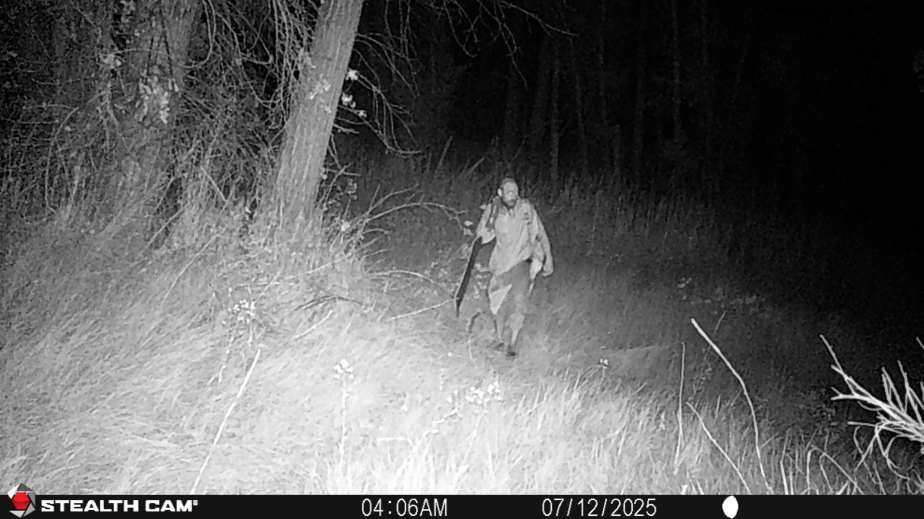
I believe that I have mentioned that I am scared of the dark. Even when looking at trail cam photos that are taken at night, I have a little dread of what I might see. So, imagine my feelings when this guy showed up on my cameras. What he was doing out there between 4:00 AM and 4:30 AM I will never know. I can’t imagine wandering around in the dark without benefit of any light source in this area. He doesn’t look like an avid outdoorsman and honestly looks pretty creepy. I am also sure he had no idea of that there are so many mountain lions in the area.

I used to go out to check cameras right at sunrise. No more. In addition to the suspicious activity with humans, there are now 6 mountain lions I have showing up on cameras. Momma lion with her half grown 3 kittens and two of her full-grown kittens from last year who are on their own now.

Monitoring the area for the last 5 years I have never gotten daytime photos of the lions until this summer. When the cats where entirely nocturnal I was more comfortable. Now they appear to be bold enough to be seen at any time of day. I am waiting until midday to retrieve my memory cards, staying hyper vigilant and upping my game from bear spray to wearing a sidearm. I think I will carry an airhorn as well as it could be a good deterrent.

Trail Camera[MP:02]