Fawns

I am remembering why I didn’t leave the cameras out in the summer. It is unpleasant at 90+ degrees to walk out to them and retrieve the memory cards. Also, I forget how lush the grass growth is at the height of summer. Rattlesnakes are constantly on my mind as I tread carefully along the trails to get to the cameras. The sets across the river are going to have to wait as even with an early start its too hot to walk to them and back. Alright, enough complaining. As I walked along the trail yesterday morning I was watching for tracks as usual and spotted my first set of tiny deer hoofs in the dirt.
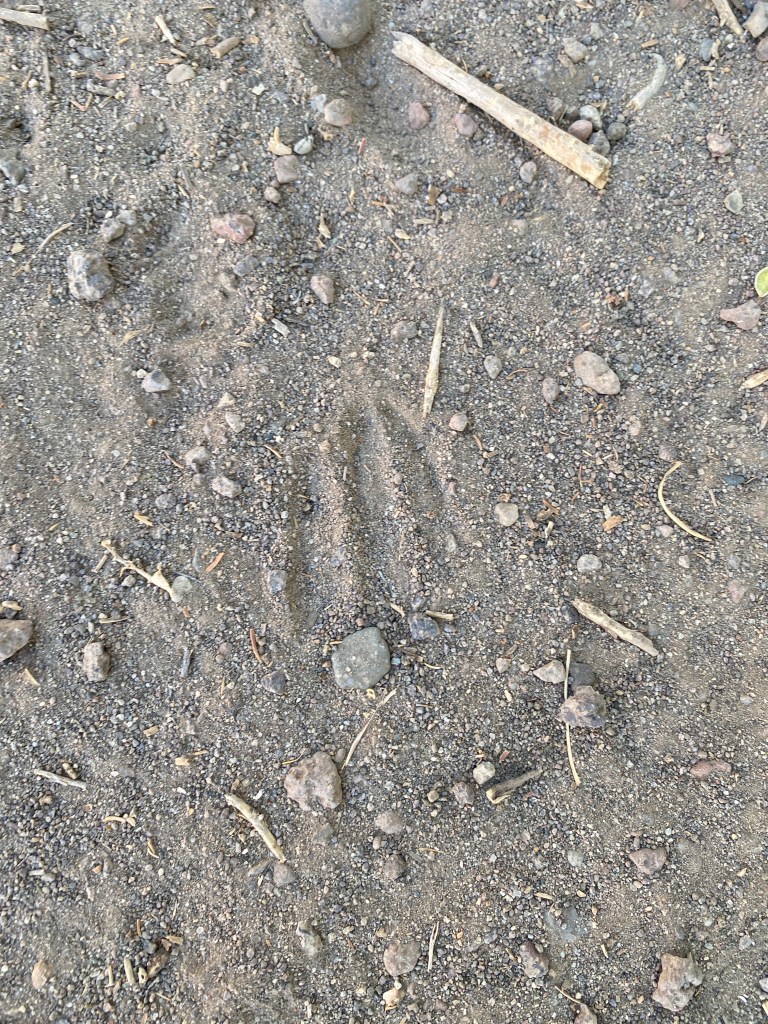
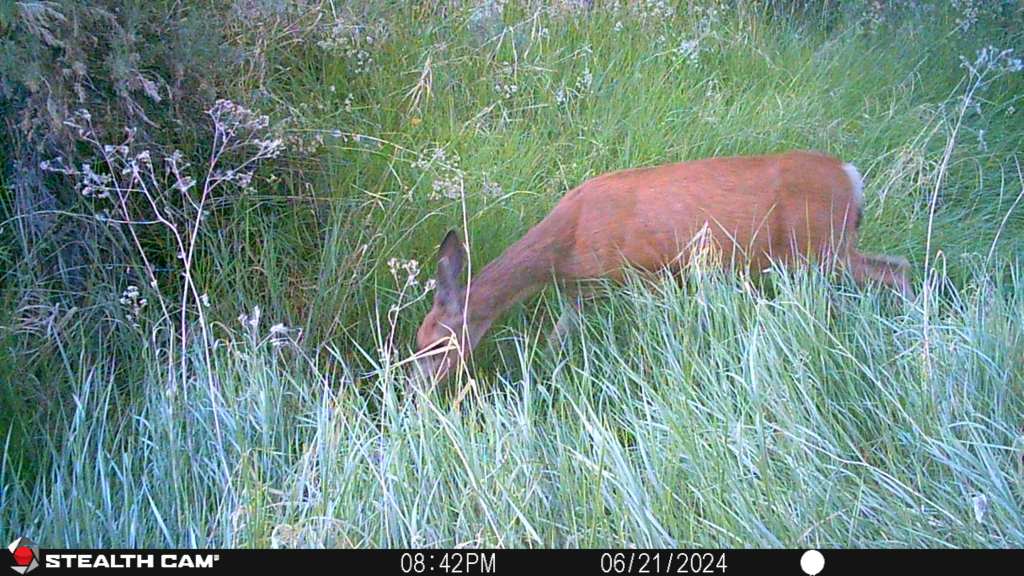
After seeing these I was excited to check the cameras and see if I had captured any newish fawns.
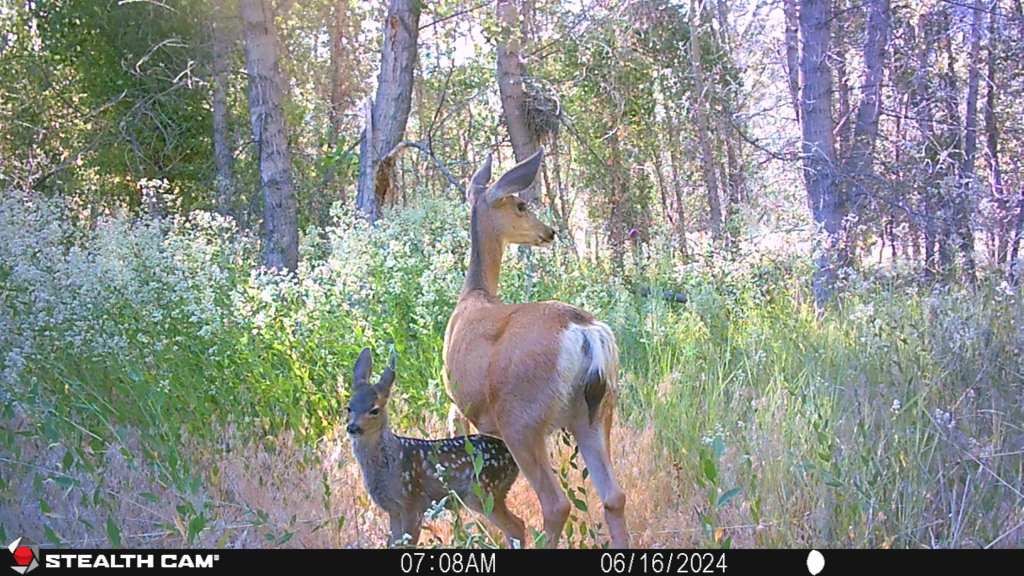
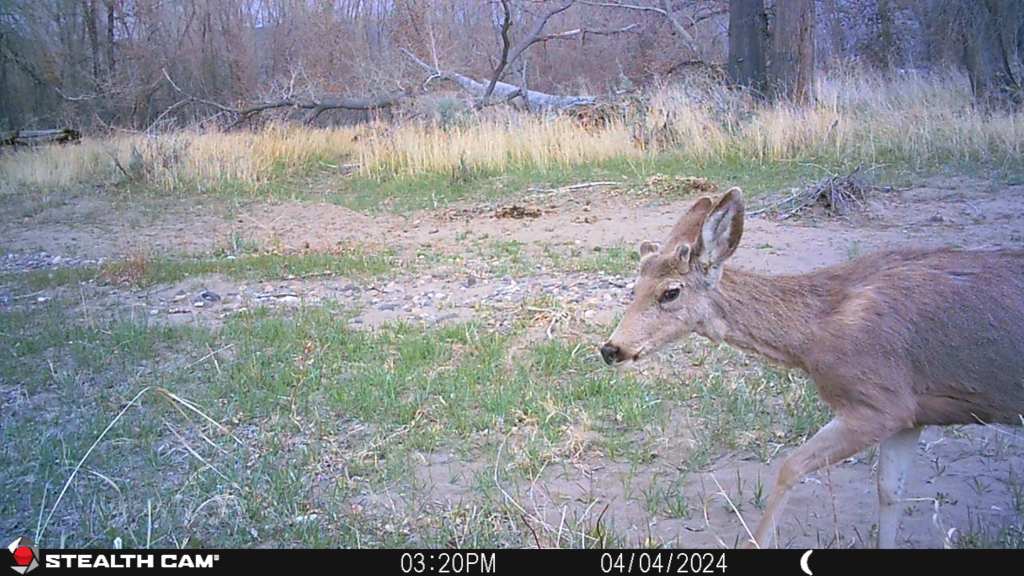
This little guy looks about two to three weeks old. I am using the cheapest trail cameras they make as I worry about them getting stolen. I think they take pretty good photos sometimes. This is a keeper.

I think these two may be twins. This is a common occurrence with Mule deer births.
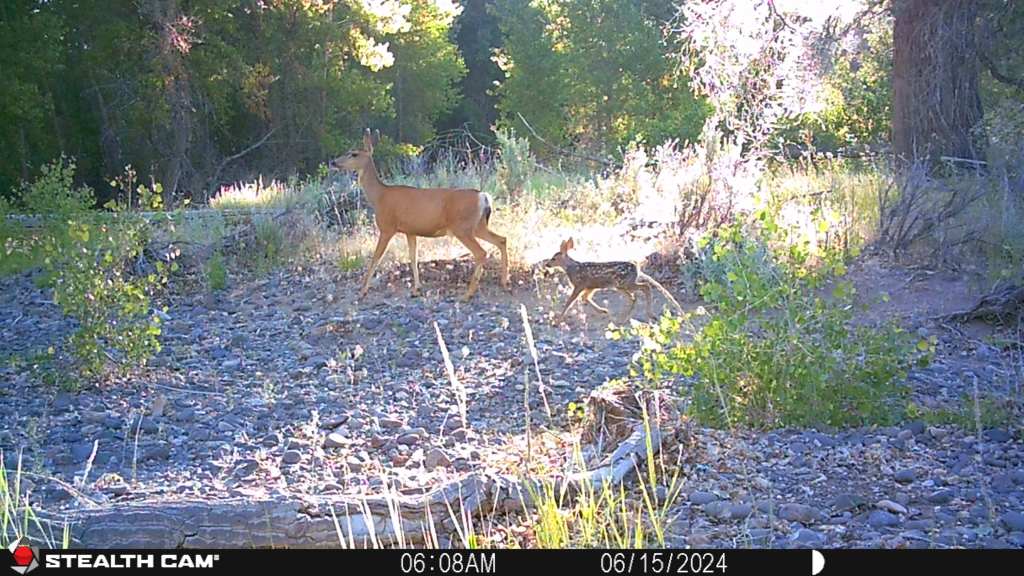
Mom and newish fawn headed to the river for a drink.
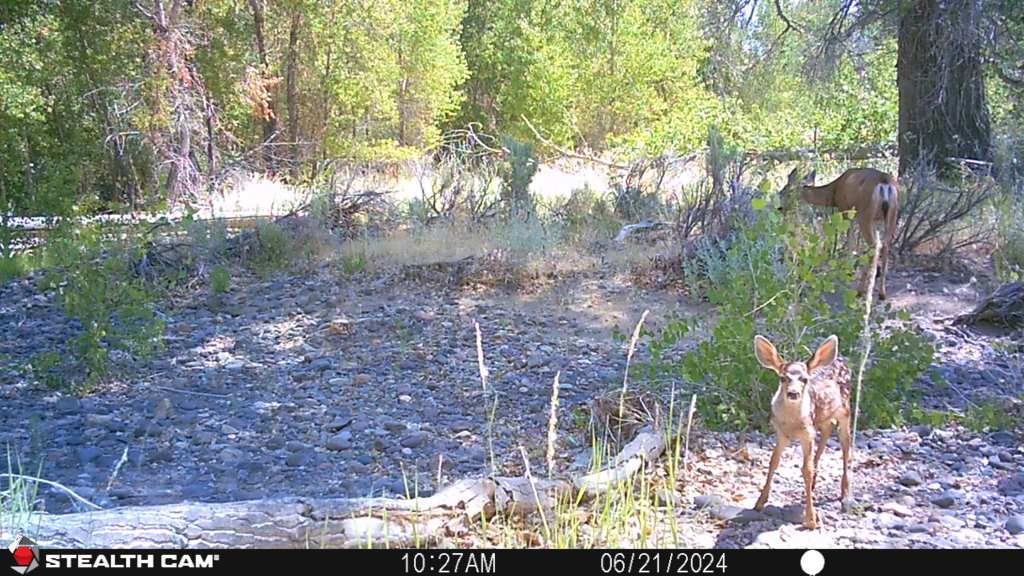
I think this little guy could hear the trail cam click. It is such a quiet sound, but even young animals have the wariness to pay attention to small details and sounds

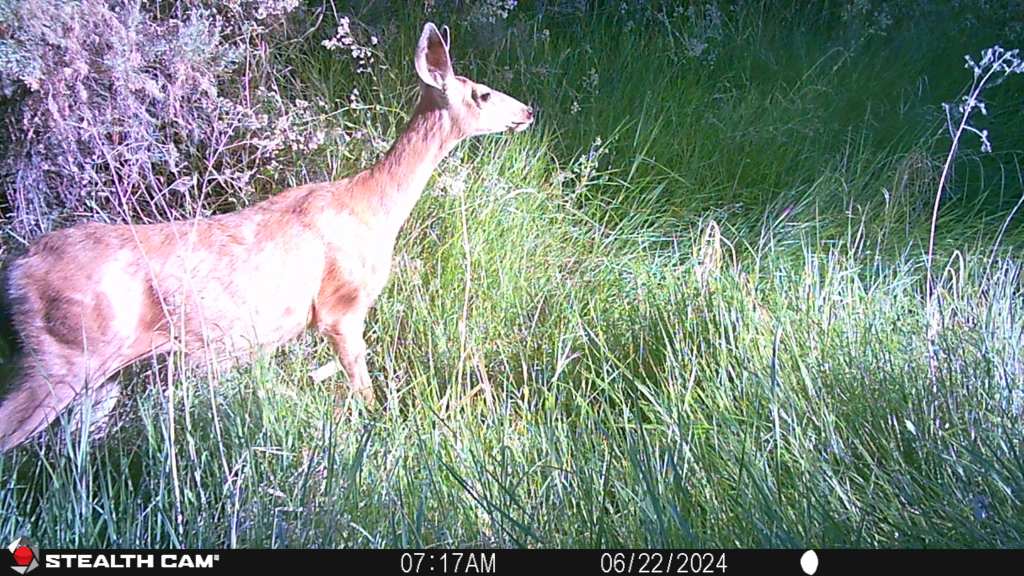
All the moms look healthy and well fed. They are sporting their reddish summer coats.

Long Hike

I decided to place more trail cameras yesterday and specifically I wanted to place them on the other side of the river. Because of access issues this means a long hike to a foot bridge. By the time it was all said and done it was a 10 mile hike out and back. I wish my pack had been lighter. I probably won’t be checking the cameras on the far bank as often.

I saw a small herd of mule deer and noticed a buck that has been showing up often on the trail cameras. He is already displaying that natural shyness and hang back quality that bucks show more readily than the does. All the deer looked healthy and are starting to sport their summer reddish coats. In the fall and winter their coats are grey. No fawns yet as it is too early. Maybe in another month the little ones will be tagging along.

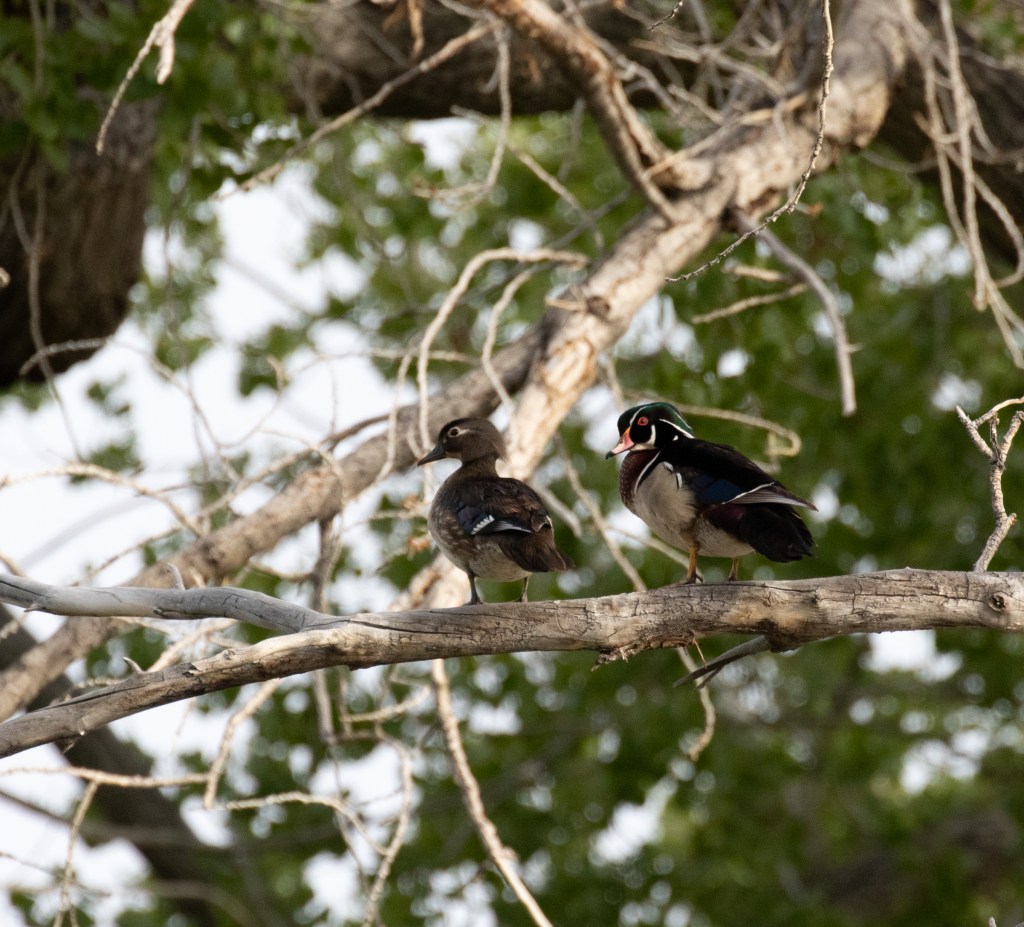
I was amazed to see two pair of Wood Ducks quite high up in a tree together. I hope they are nesting in the area. I would love to see them with ducklings on one of the several ponds.

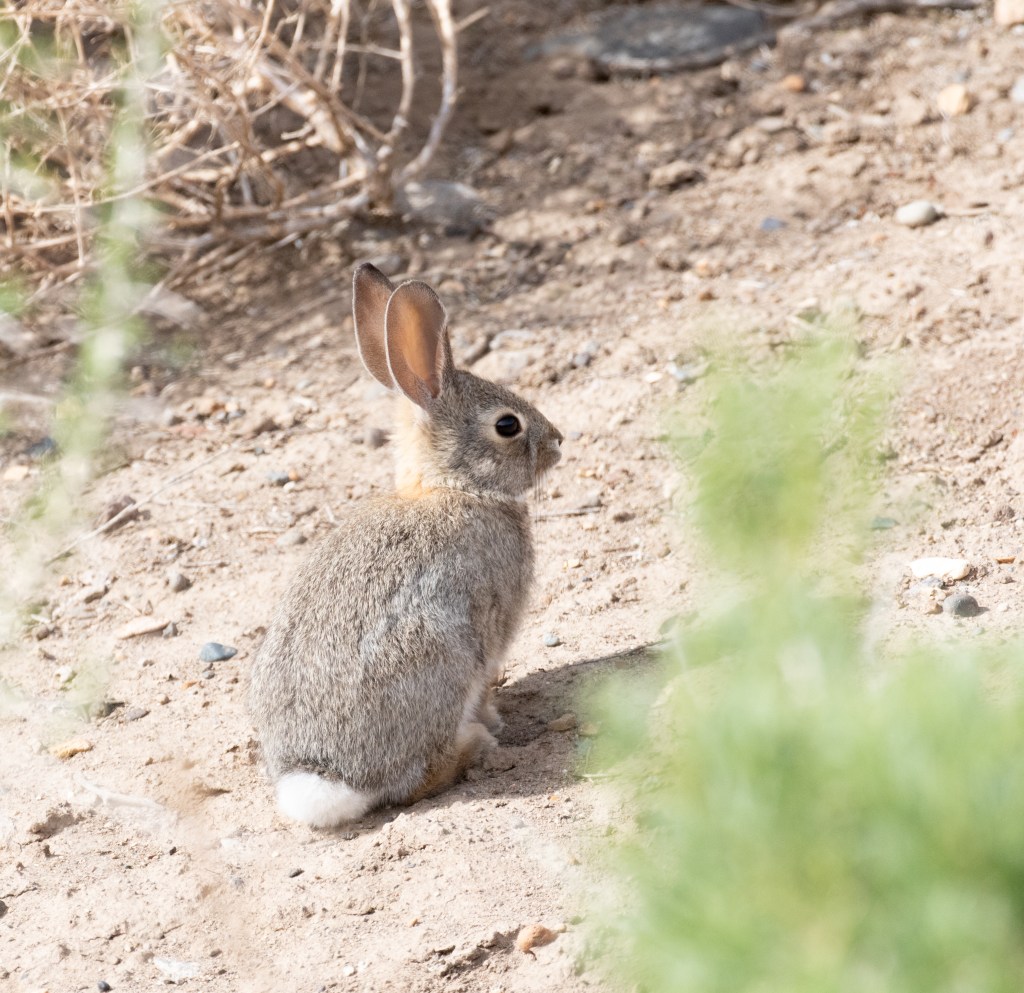
This little bunny accommodated me by sitting still long enough for a photo. The rabbit is displaying it’s cotton ball tail nicely demonstrating its apt name – Cottontail.

Morning Walk

I walked the dog early this morning so I could get out to the river. I sat for a while along the path the Bobcat takes in hopes of seeing it in person and getting some photographs. No luck. It’s going to take a lot of patience to ever get an in-person sighting. No walk is ever a waste of time. It was lovely out there today.

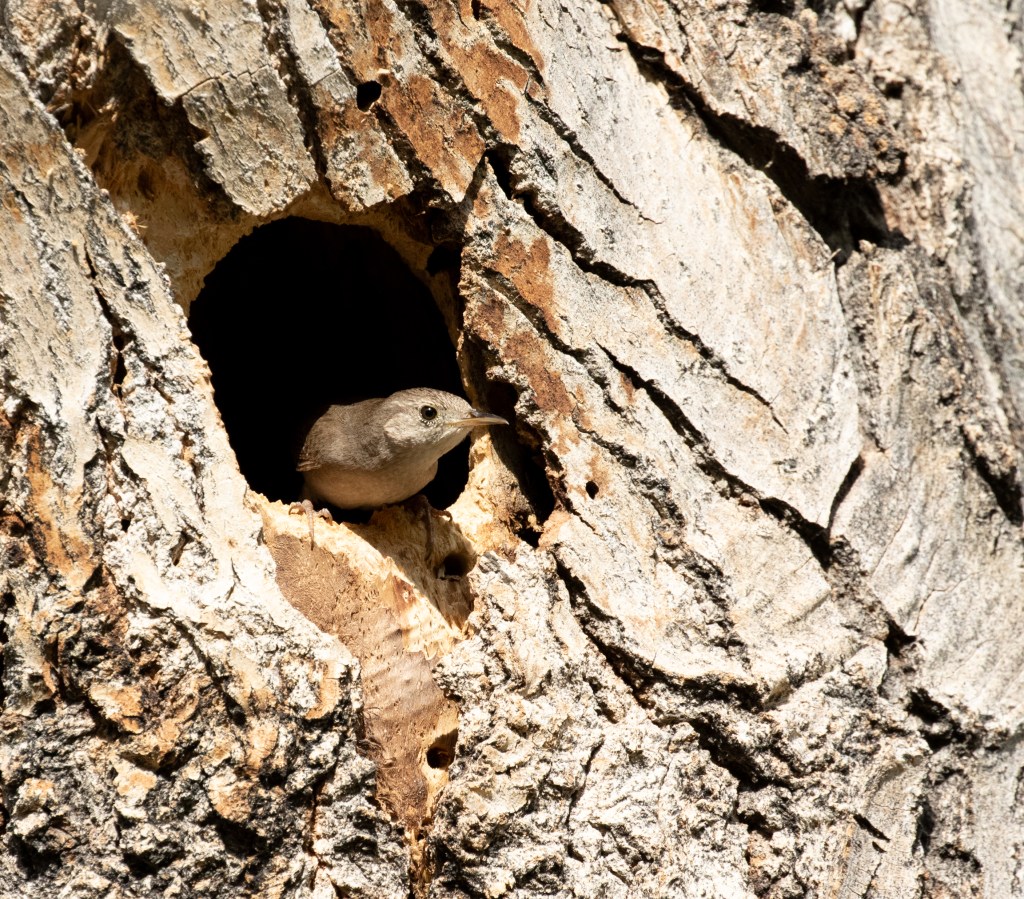
This House Wren and a Northern Flicker seemed to be competing for a hole in a large cottonwood tree. No doubt the Flicker made the hole and the wren was bug hunting inside.

It is difficult to get close to Flickers so I was pleased to get these photos.

On the way out I caught sight of this wild horse across the river. I have seen him a couple of times before in the distance. He is a mature stallion and looks quite healthy. It is unusual to see feral horses alone. Since he is older, I can only assume he has lost his mares to another stallion. Younger males without mares hang out in bachelor bands. Horses are so social that this kind of behavior is out of the ordinary.

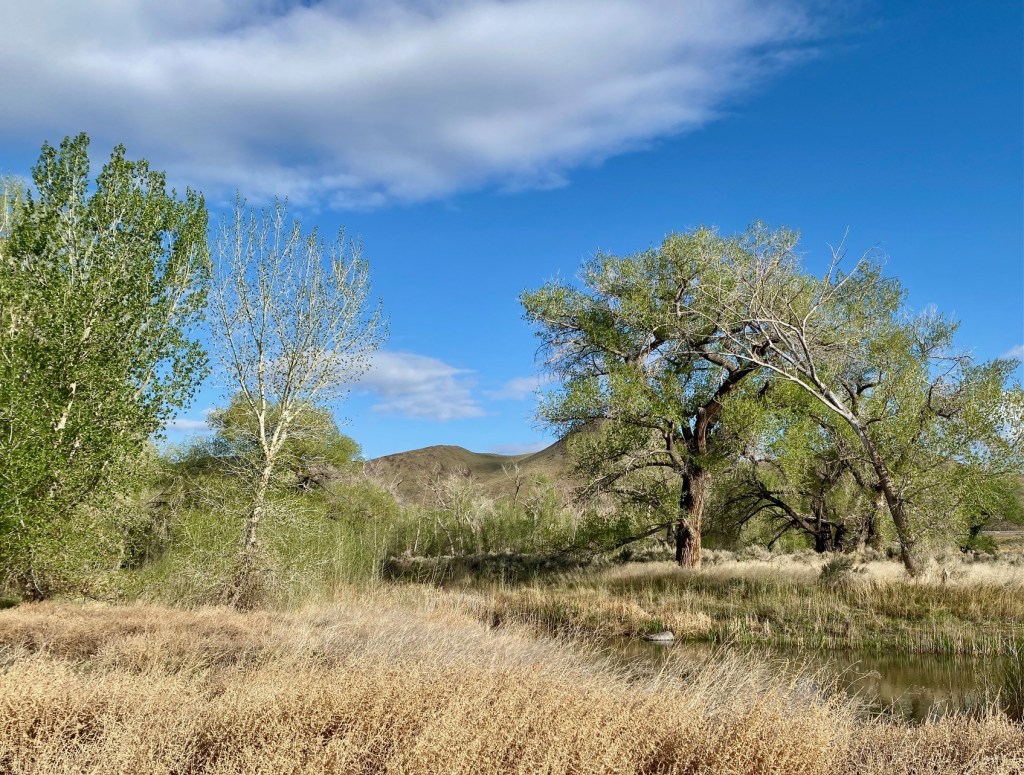
This is a typical landscape of the area I am walking in. The cottonwood trees are getting serious about leafing out now. Small ponds like the one in the foreground are starting to fill up. The river is running fast and full of snow melt from the Sierra Nevada west of here.

Trail Camera Update

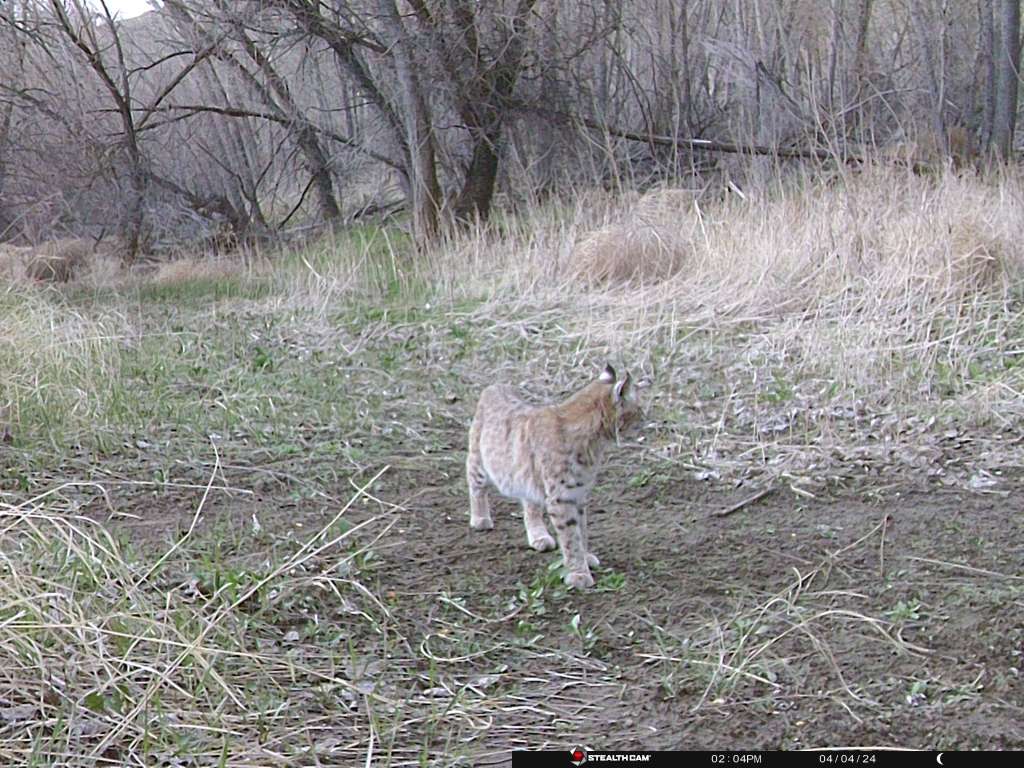
I checked my cameras yesterday after leaving them out three weeks longer than in years past. No Mountain Lion photos for approximately 6 weeks now. The Bobcat or Bobcats remain quite active. I think I am seeing two different Bobcats. One appears to be smaller and lighter colored.

The Bobcat in the first two photos appears to be a lighter color than the one posted below. Maybe its just the light. I don’t know how to tell them apart.

The Mule Deer bucks are already sprouting horn growth. The rate of growth will be another interesting observable visual over the next few months. I am looking forward to seeing fawns show up soon as well.

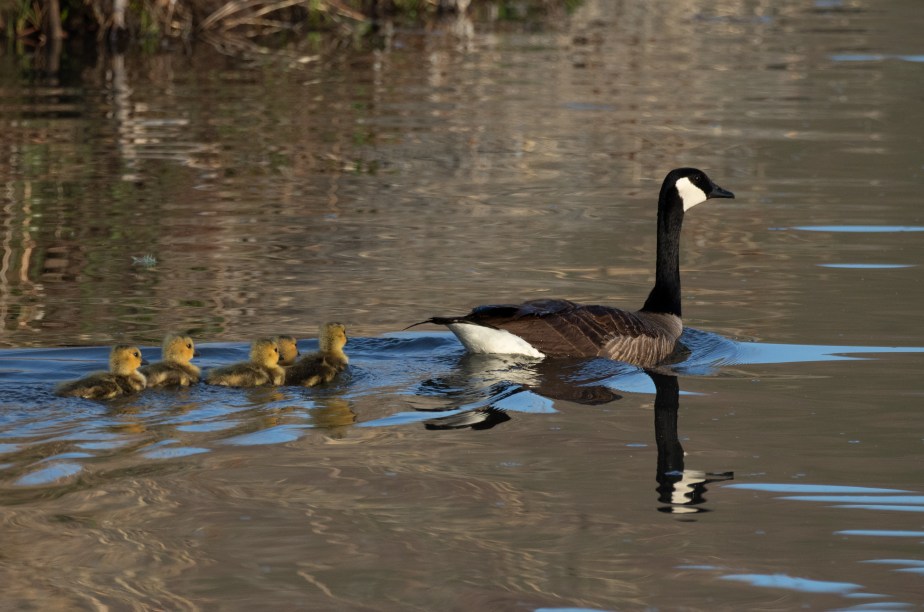
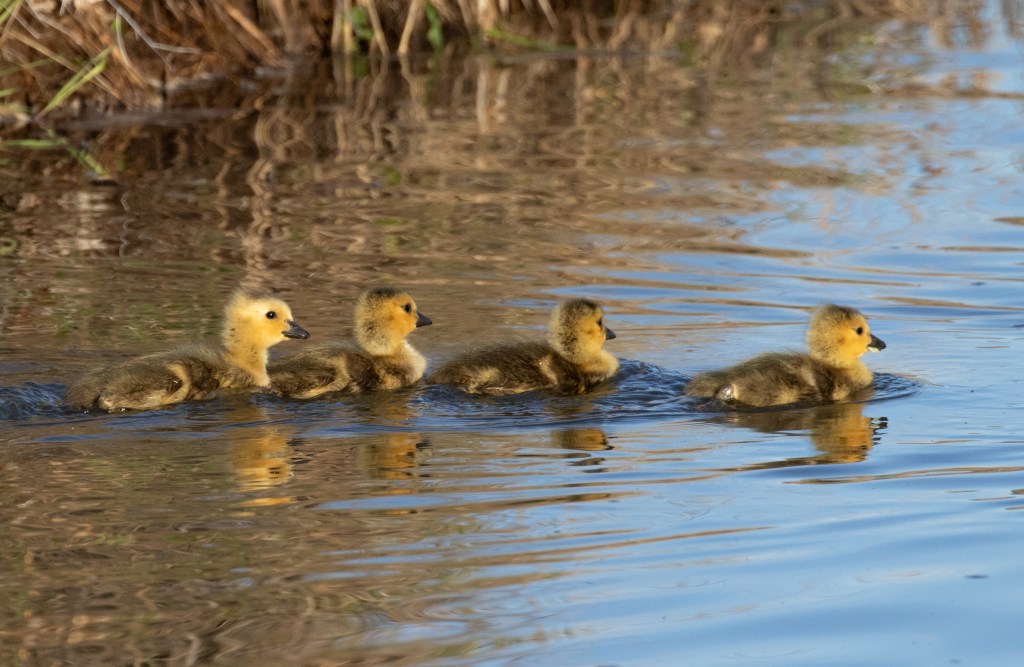
I always carry my camera with me when hiking into this area and I did get some geese photos. I saw a beaver as well but didn’t get any photos of it. One pair of geese already have a healthy brood following them while others are just setting up housekeeping.

What a difference a couple of weeks makes. The last few months it has been so quiet out there. Winter silence has passed. The bird song, quacking and honking was ever present yesterday as I made my way along the trails. Tending the cameras year-round will motivate me to make more trips and hikes along the river. It will be interesting to see what wildlife I spot in person over the summer.

I Like Them Raw and Wriggling…

I’ve been spending time at the ponds trying to get quality photos of the Ospreys fishing. No luck as of yet. They have shown up, but to capture a great photo it takes lots of clicks. When their babies hatch they will be fishing more often and many more opportunities will arise. While waiting somewhat patiently, there are lots of subjects to focus on. The Mergansers and Cormorants are catching lots of fish. When going through the photos of them gulping their fish this quote from the film, “The Two Towers,” keeps going through my head. Smeagol turns down Sam’s offer of rabbit stew stating that he likes his food raw and wriggling. Apparently that food choice applies to these birds as well.

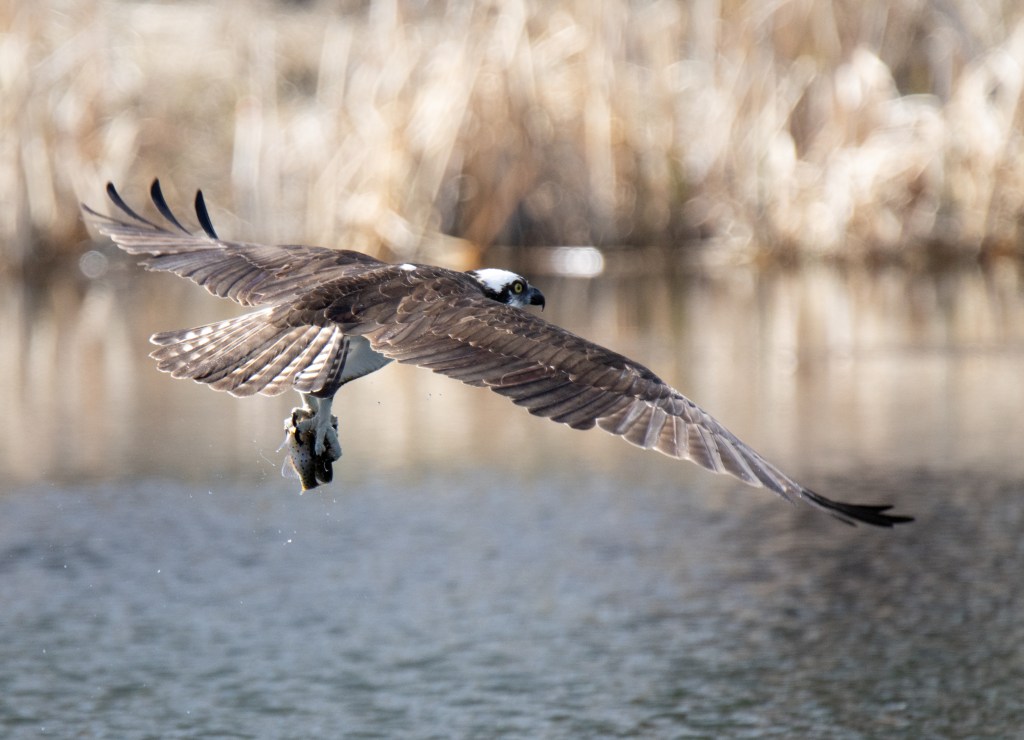
I did get one photo of the Osprey with a fish but it’s not as sharp as I would like. The action happens incredibly fast and that’s why it takes a lot of exposures to get great shots. I’ll keep trying.

I saw this small female Merganser with this rather large fish. I have no idea how she can possibly eat this!

Wild Birds at Verdi Ponds

For years I have ventured out to the ponds at Verdi to take photos of birds, mostly Osprey fishing. These ponds are perfect for capturing the action as they are small, stocked with fish often and the Osprey are acclimated to people. I haven’t had any luck with fishing Osprey this year yet but have had fun photographing the other visitors to the ponds.

I’ve never had much luck with Great Blue Herons as they are pretty spooky, and I can’t get close. I had one yesterday be amazingly cooperative.

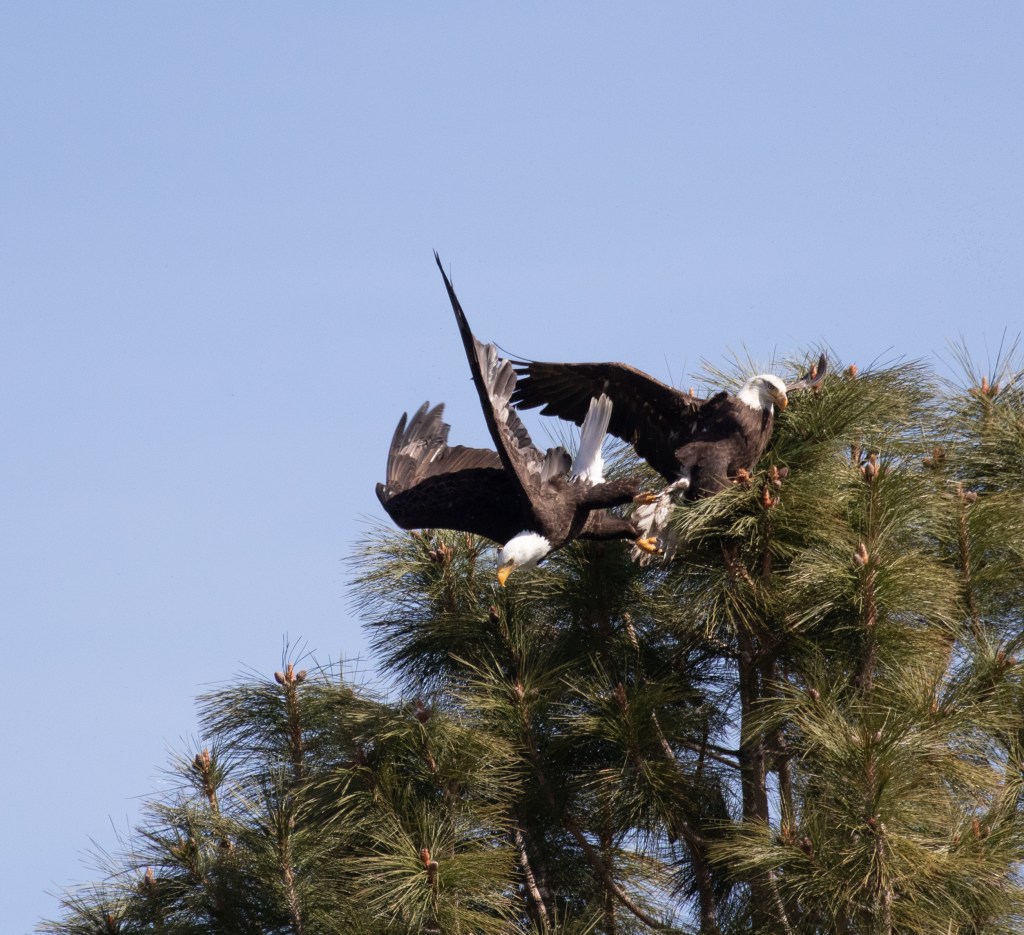
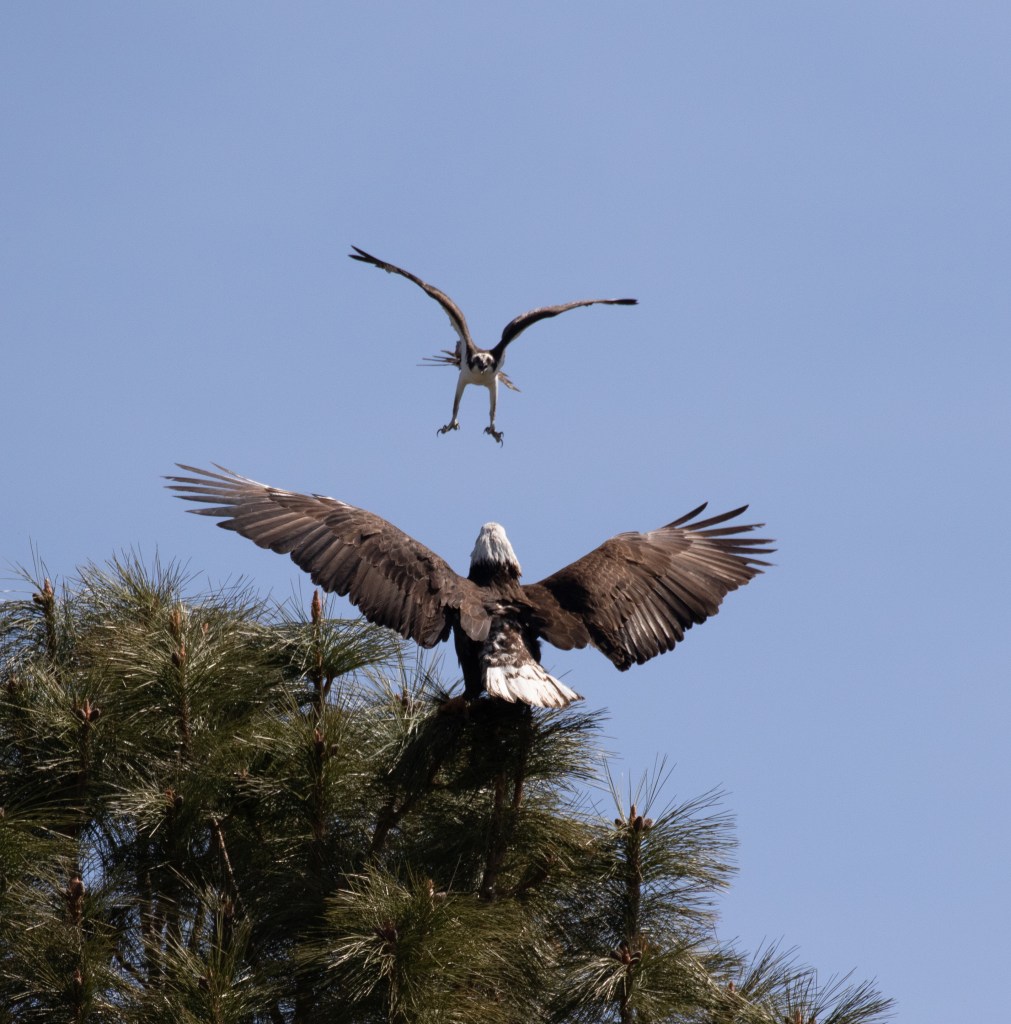
I was fortunate enough to see two bald eagles visiting the ponds as well. This is most likely a mated pair. They couldn’t decide who should have the best spot in the pine tree.

An Osprey did come by but not to fish. The Osprey was not happy the Eagle was roosting in the tree and harassed it for some time. The Osprey’s have a nest near here and I’m sure it is disconcerting to have these large predatory birds in the neighborhood.

Desert Bighorn Sheep

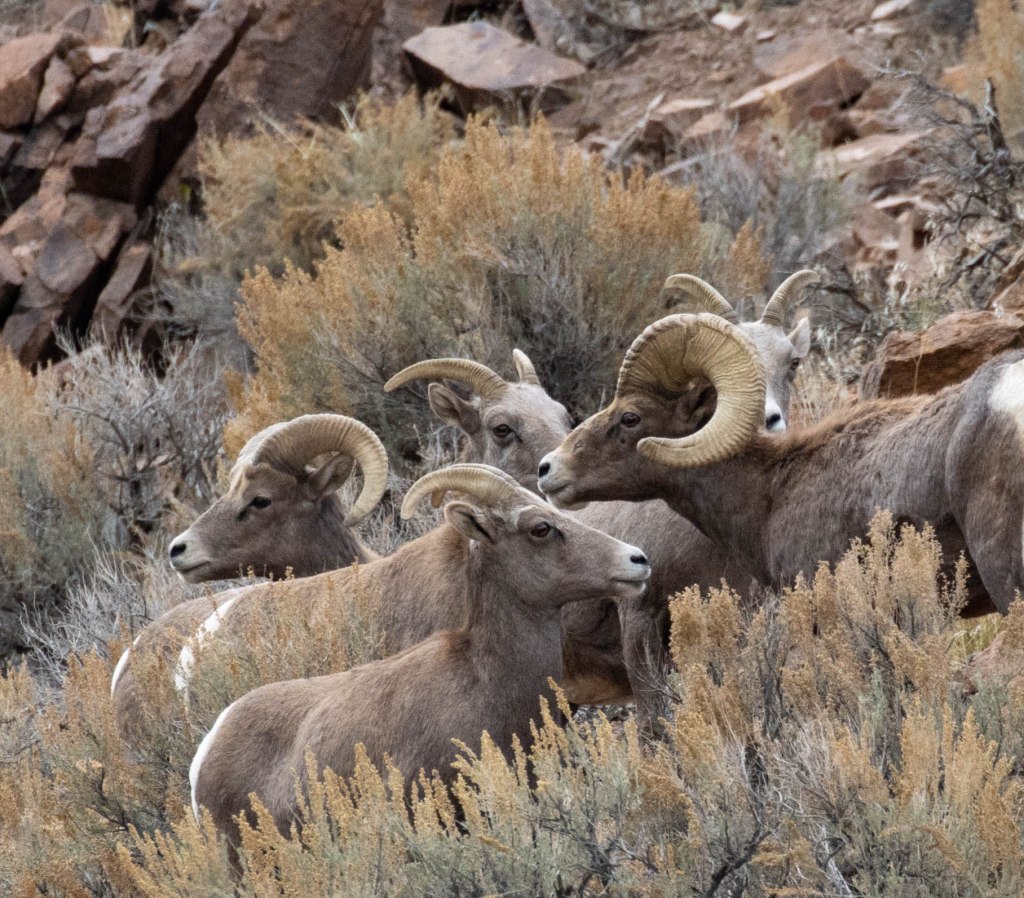
Desert Bighorn’s are a conservation success story in Nevada. From a low population estimate in 1960 of 1500 to 2000 animals they are estimated to be at 12,000 as of the summer of 2023. This is the direct result of careful management by the Nevada Department of Wildlife and the hard work of sportsman and sportswoman in organizations such as the Wild Sheep Foundation and Nevada Bighorns Unlimited. In the last 4 years populations have suffered from severe drought and disease but are still at healthy levels.

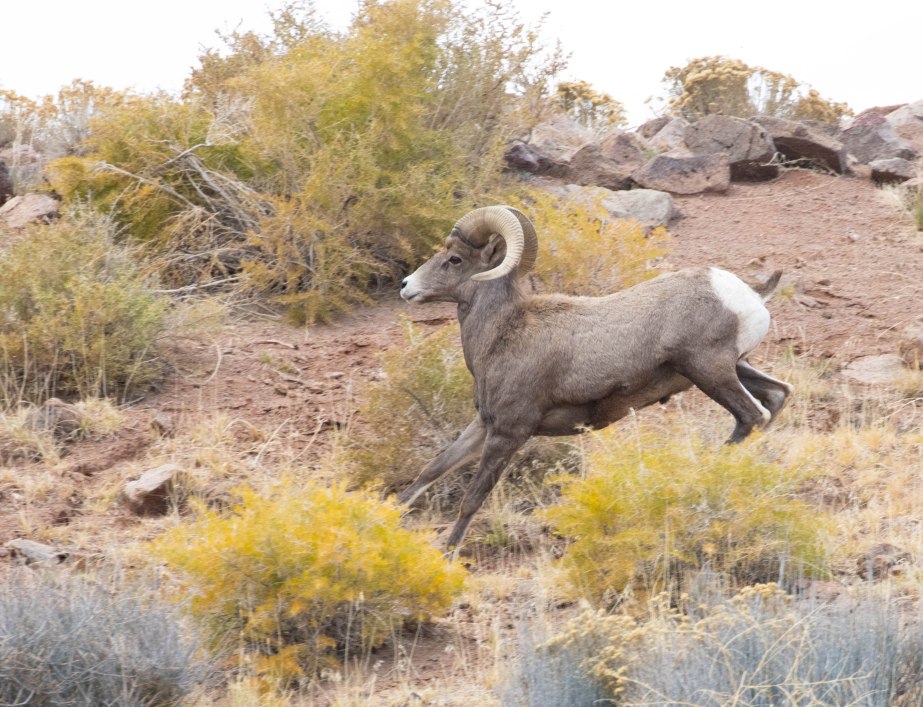
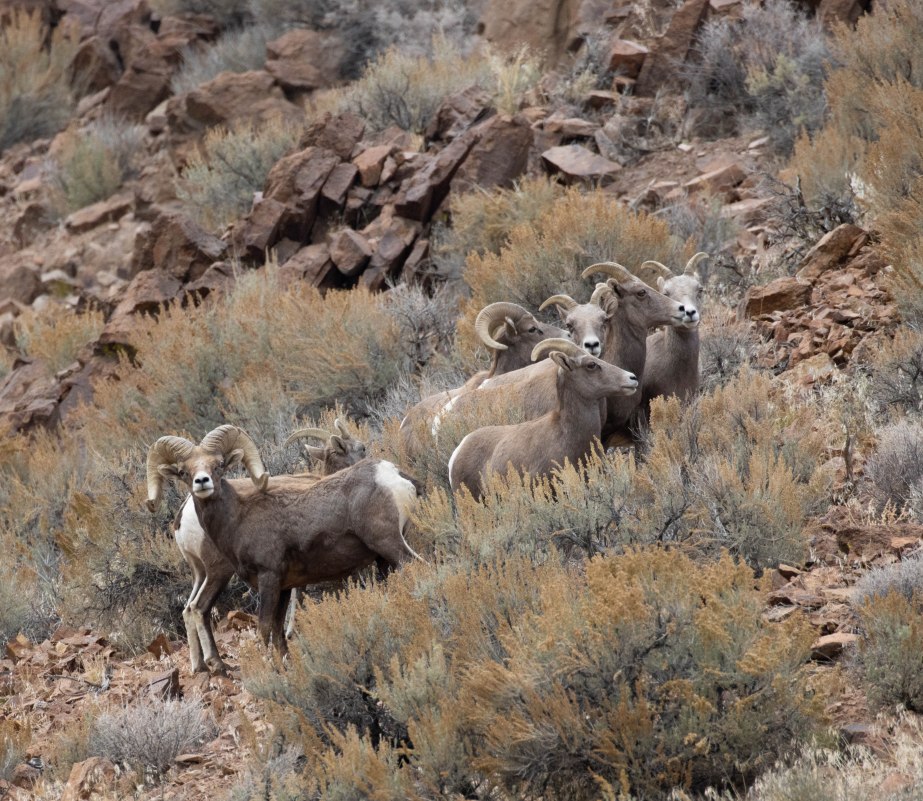
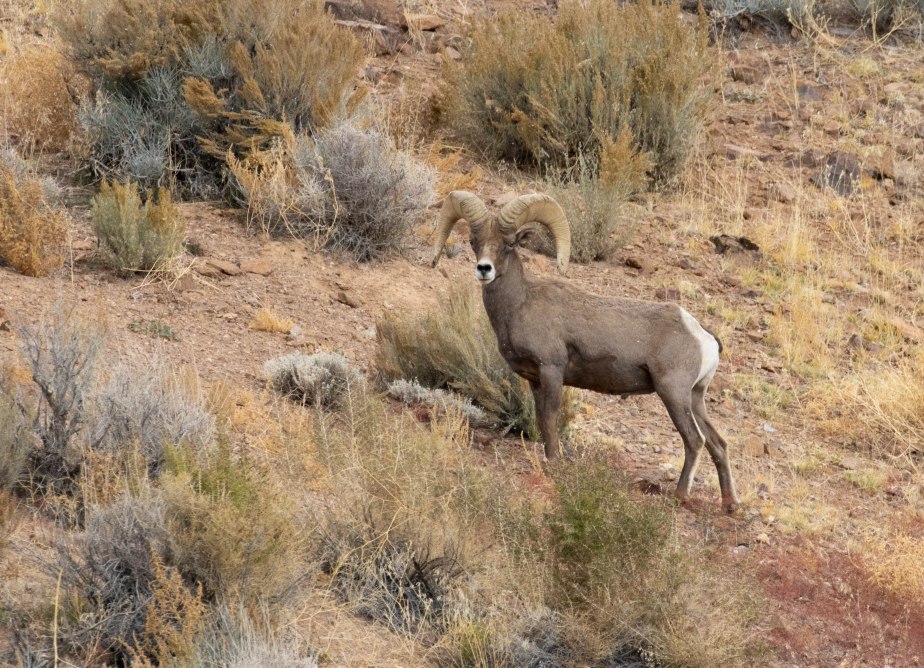
I took these photos in Central Nevada last November. Desert Bighorns have become a photographic obsession for me. They are majestic animals, marvelously adapted to their harsh environment. They can go for long periods of time without water, and they thrive in the steep, rocky mountains of the high desert. They blend into their surroundings quite well with their light gray coats. Even their white rumps, which most often give them away, are easily mistaken for rocks until they move.

Lack of water sources and diseases, most often passed on to them from domestic sheep, are limiting factors in the growth of Bighorn Sheep populations. The installation of guzzlers across the Sheep’s current and former ranges have been life saving for current bands and allowed for the expansion and maintenance of Sheep. Guzzlers are water collecting and storage devices of various designs that allow large and small animals and birds to have access to water across Nevada and other arid states. These guzzlers store rainwater and snow melt in cisterns so that during the dryer part of the year there is water available for animals and birds. Some of the larger guzzlers can be filled by helicopter drops of water in dire circumstances. Most of these are installed by volunteers from several sportsman, sportswomen groups in cooperation with the Nevada Department of Wildlife. All desert life benefits.

Hunting has little impact on the population as only around 180 tags are issued each year. These are highly coveted tags as it is a once in a lifetime opportunity for most hunters. I did receive a tag for the 2023 season and harvested a beautiful mature ram. I will tell that story another time.
Cormorant

I am finally able to get back out and start taking photos again. I was hoping to get Ospreys fishing pictures today, but I settled for this rather handsome Cormorant with a fish. After squatting in fresh snow by the pond for a couple of hours I took my wet feet home.

It’s amazing how the Cormorant’s beak has evolved to have the perfect hook for gripping and manipulating fish.

Autumn Romance

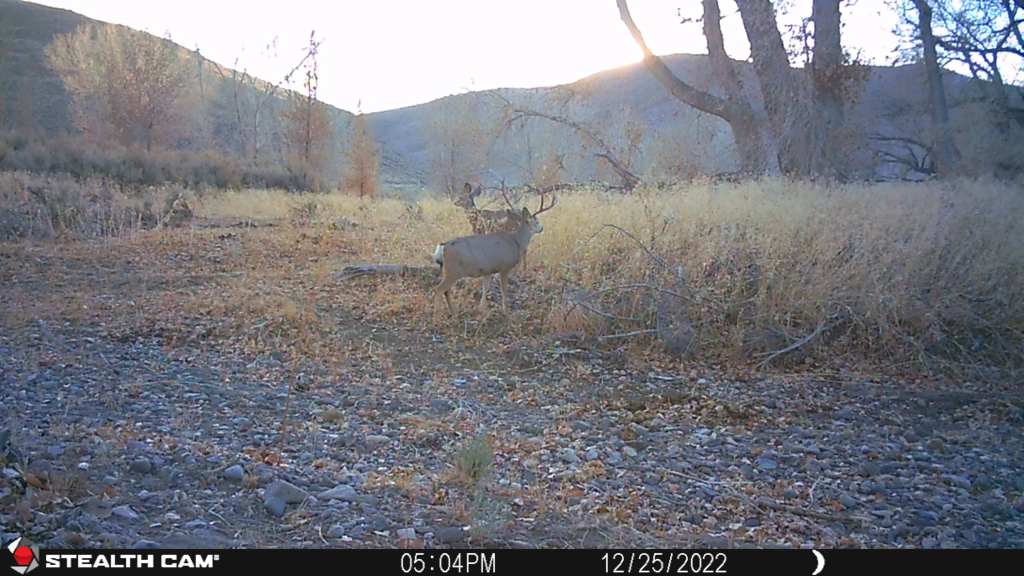
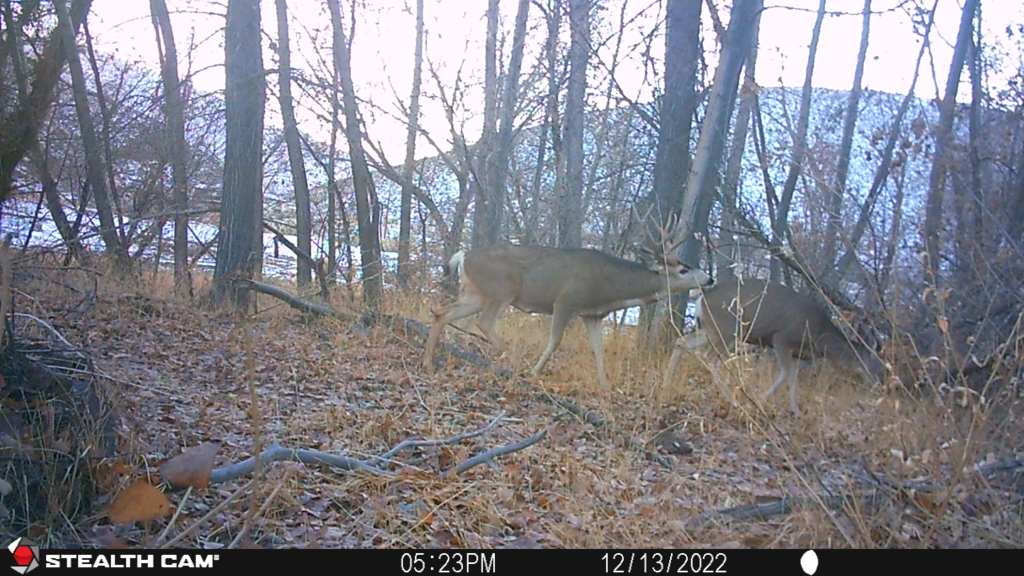
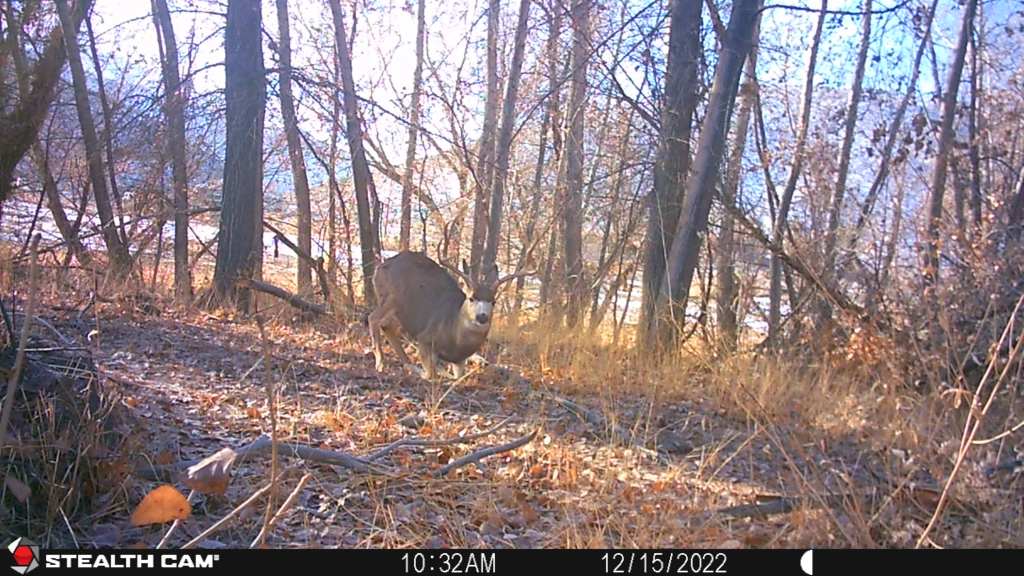
Late Autumn is when the rut occurs for Mule Deer in the west. Mid November to mid-December seems to be the peak time based on my yearly observations. At this time the male deer are not very cautious and rampage around even in mid-day looking for does to breed. I was pleasantly surprised to see that the trail cams were placed to advantageously capture some of this behavior.

My Favorite Buck of 2022

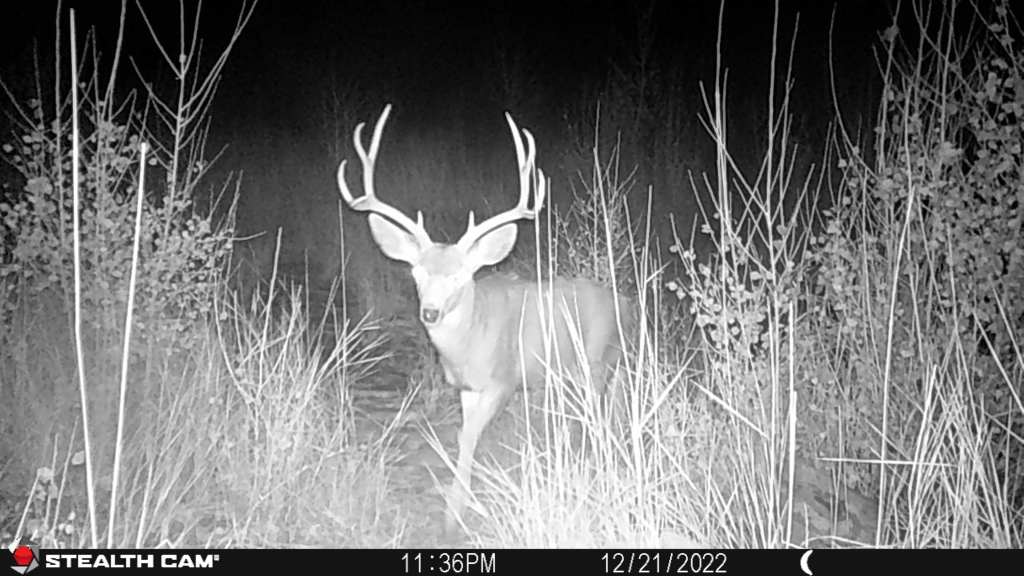
I have lots of photos of Mule Deer bucks from July through December of 2022. I feel like I got to know them well through the photos taken of them on my Trail cameras. It was interesting to watch them the last 6 months. They changed their behavior through the observation time. In the summer they were solitary or hung out with one other buck. I saw some sparring through summer and early fall and then the very serious business of competing for does in November and December. My favorite buck of the year is a classic 4 point western count. He has a large, very symmetrical rack and is in my opinion the handsomest of all the bucks in that area this year. He posed nicely for several photos and I enjoyed going through all his photos to choose a few I’ll show here.