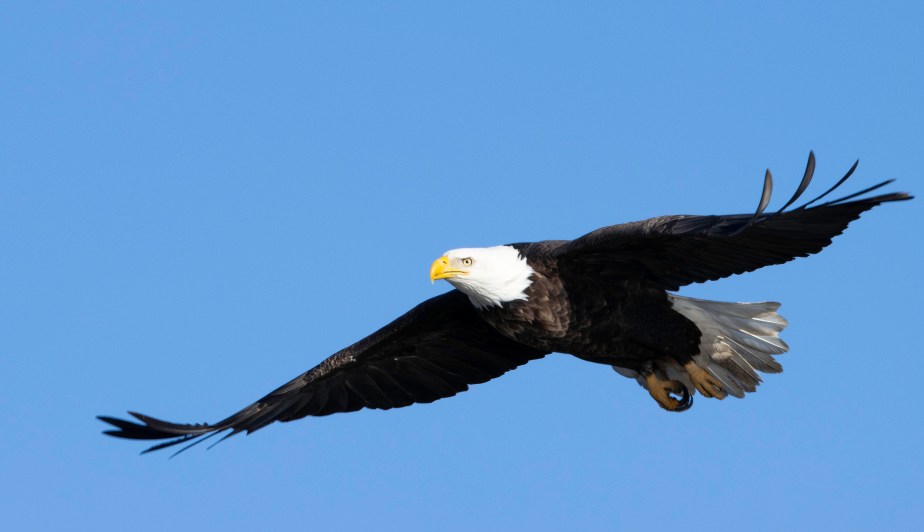
February and March are prime months for seeing Bald Eagles as they migrate through the high desert. They follow the flocks of snow geese, tundra swans and numerous ducks that fly through the area on their way back north.
Bald Eagle in FlightBloody Feet
I like to photograph and record nature with realism. Birds of prey have to eat and that is messy. Eagles cull the weak and sick birds from the flocks. They fly over large rafts of snow geese scaring them into panicked flight. They pick the ones off the water that are too weak to fly or are struggling. Nothing goes to waste. Ravens follow the eagles and clean up any scraps.
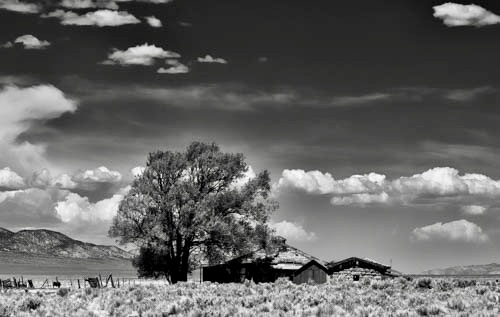
I’ve been spending a lot of time this summer in the center of the state as I have a cow elk tag and a mule deer buck tag in units that are in that area. I have been combining scouting with site seeing and have ticked off some places I have wanted to visit and explore for a long time.
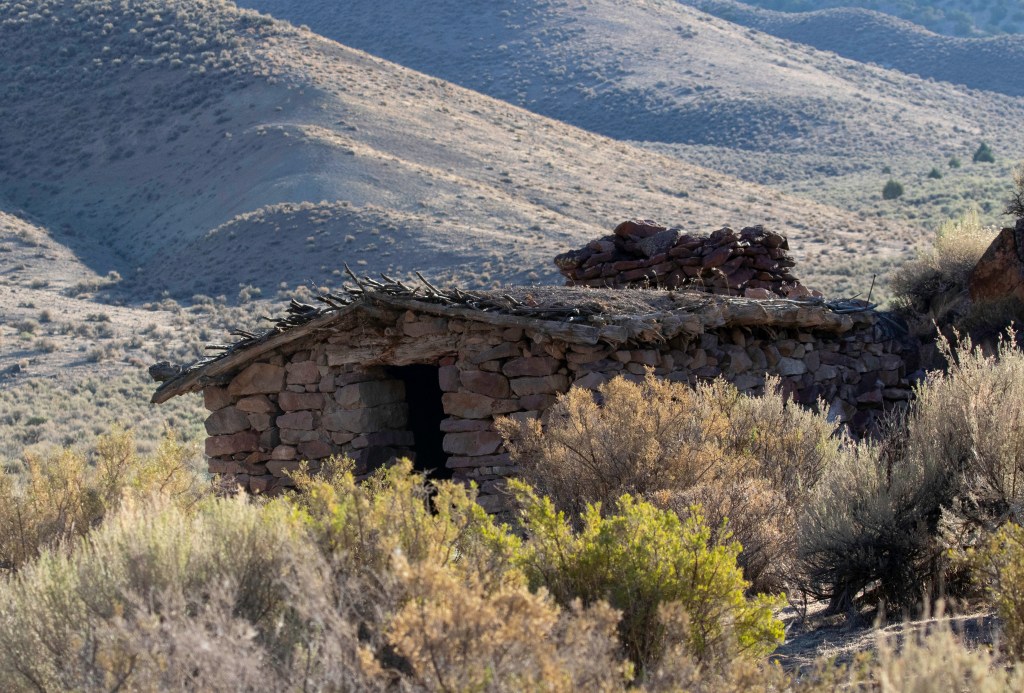
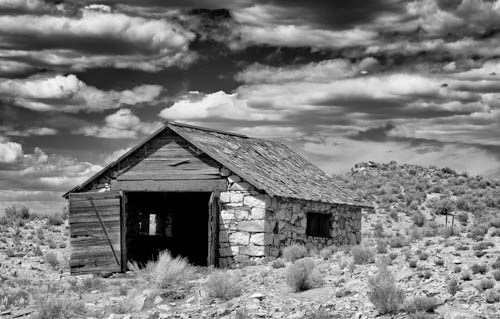
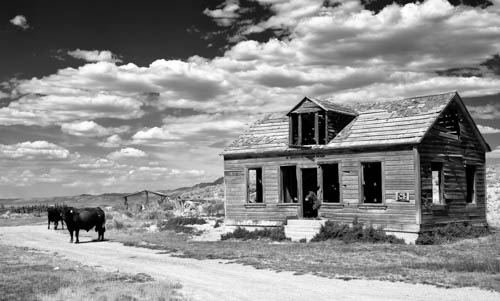
One of those places is an old stage stop located in a remote canyon down a very dusty road. At times I had to four wheel drive it to get through the powdery dust that was as deep and treacherous as a snowfall.
Stage Stop Cabin
So this had to have been built before the completion of the Transcontinental Railroad in 1869. It has to be at least 155 years old. It is still in great condition due to the solid rock construction. It sports a dirt floor and elaborate chimney. It would be pretty tight quarters. I rode in one of those authentic stagecoaches up in Virginia City a few summers ago. Very uncomfortable ride! I can’t imagine bumping along all day in one of those and then “resting” here!
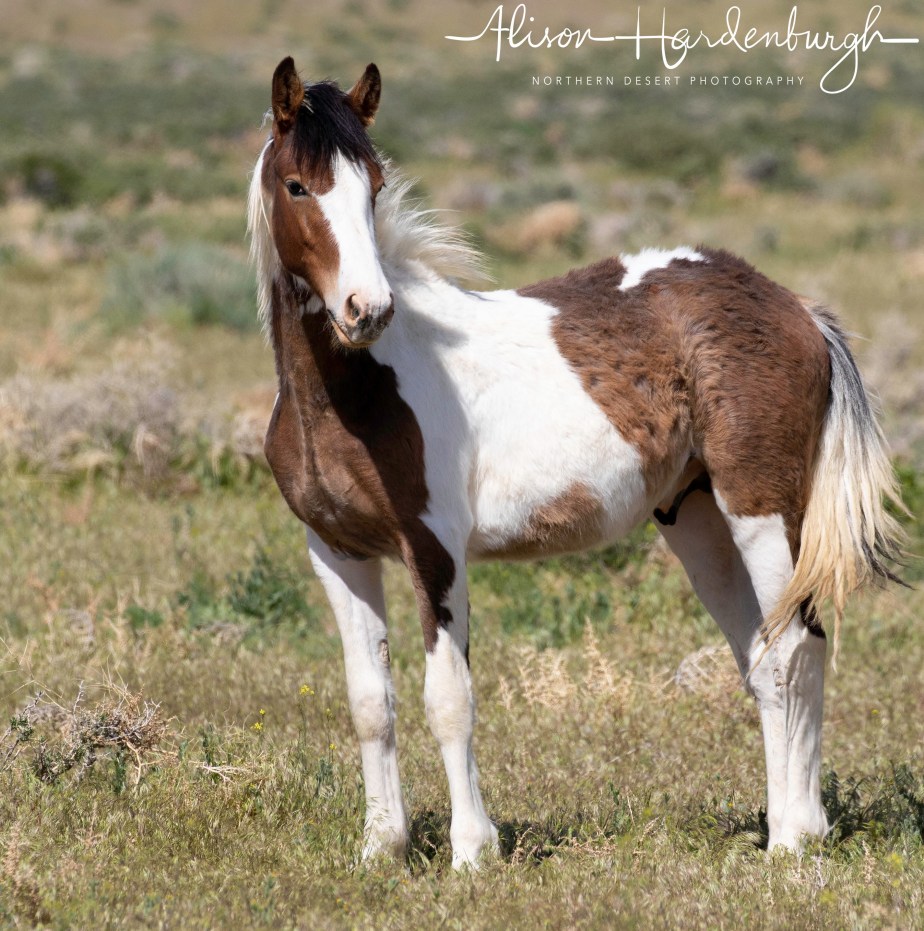
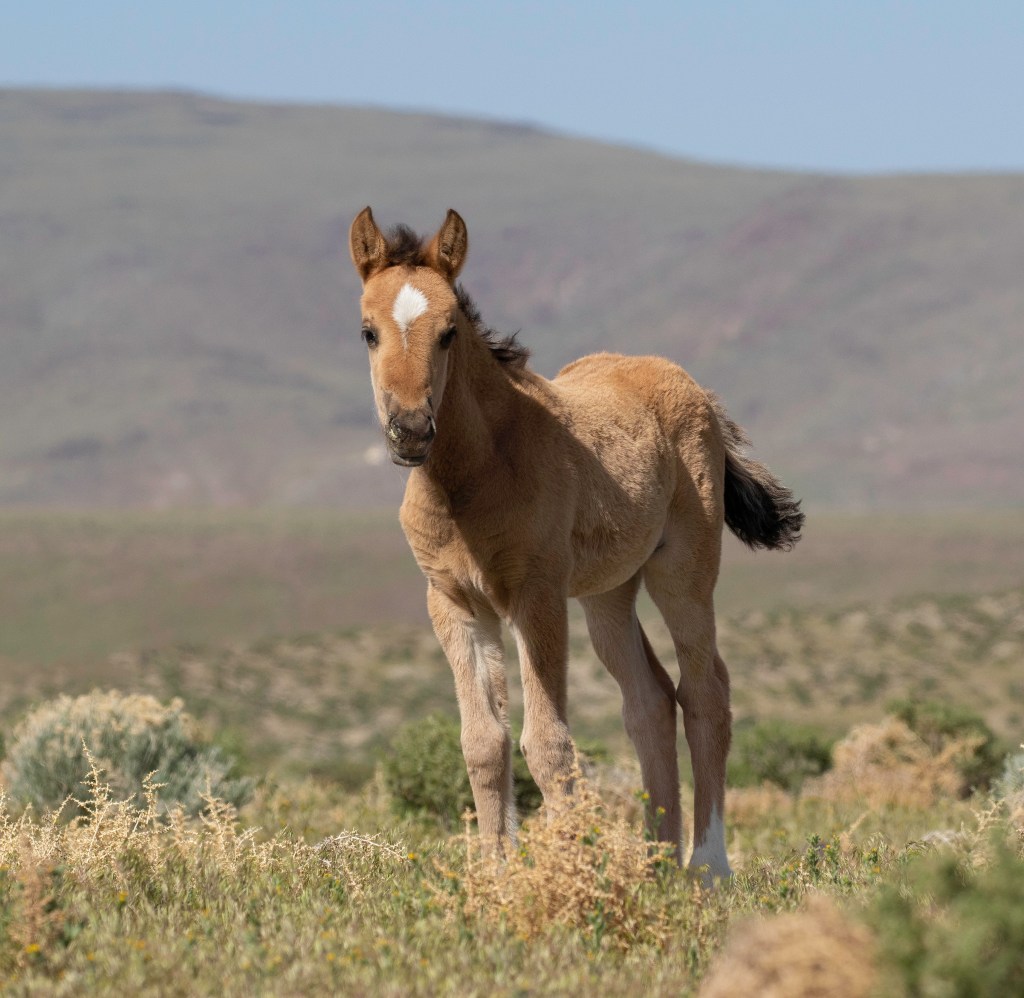
There was an old stone corral as well but it was hard to photograph. I also took photos of some wild horses, golden eagle and a cooperative Western Meadowlark.
Western MeadowlarkWild Grullo Mare and FoalGolden Eagle
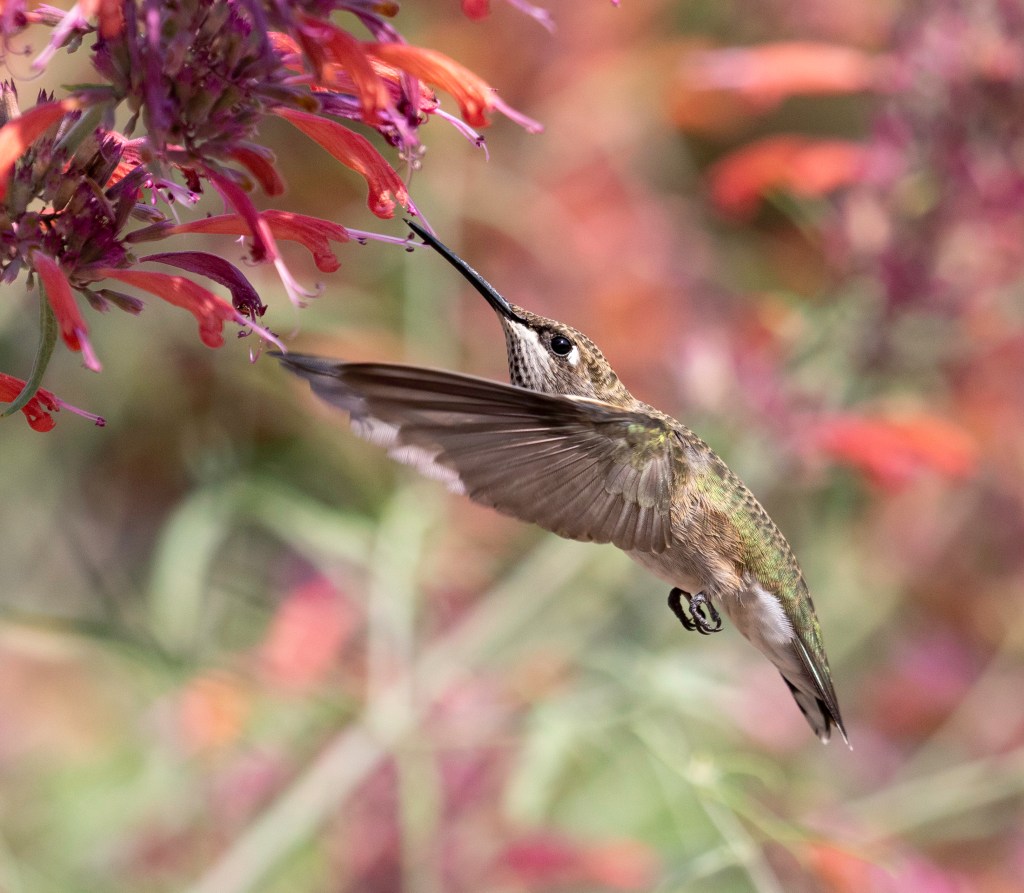
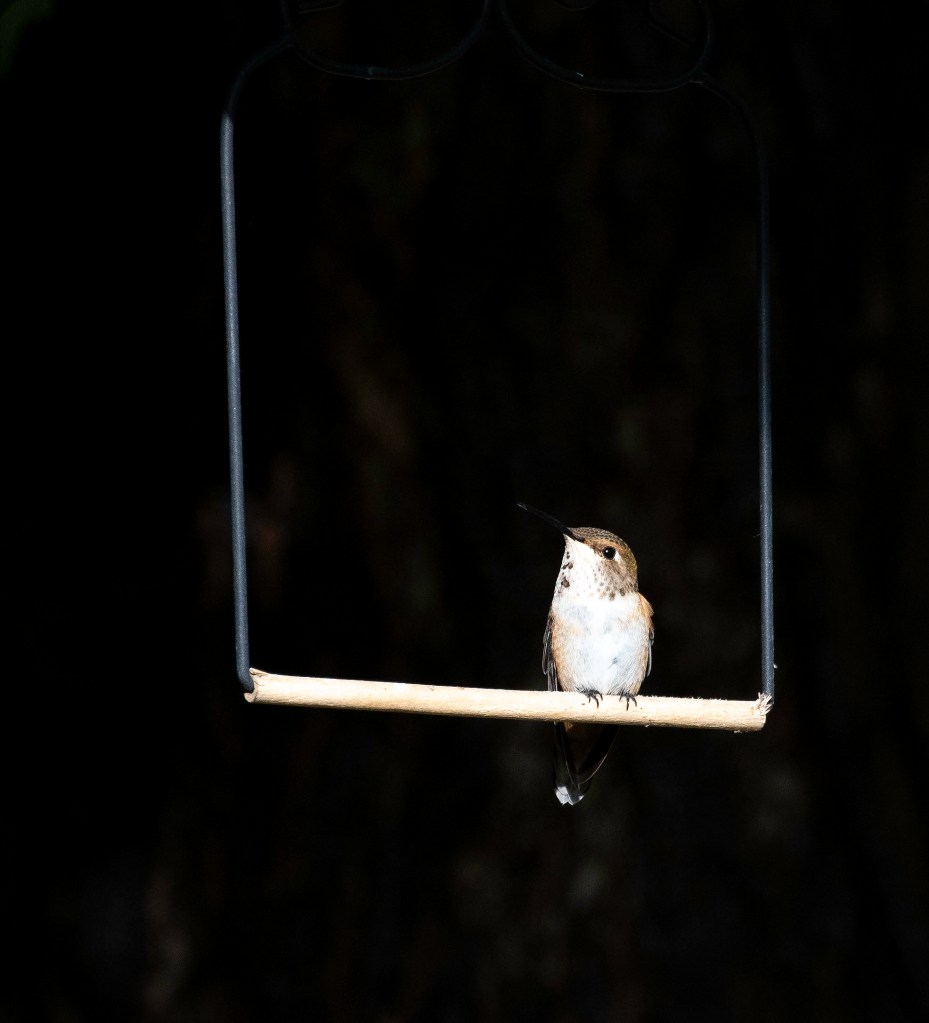
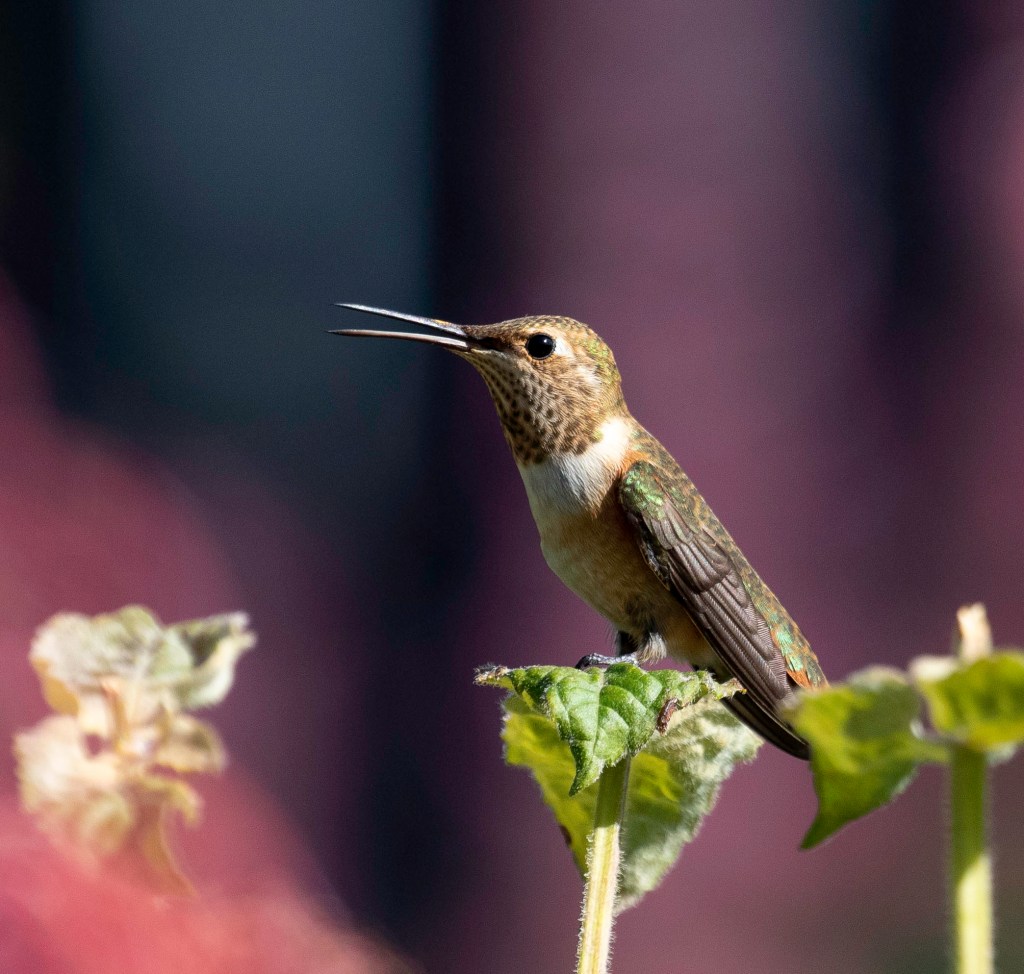
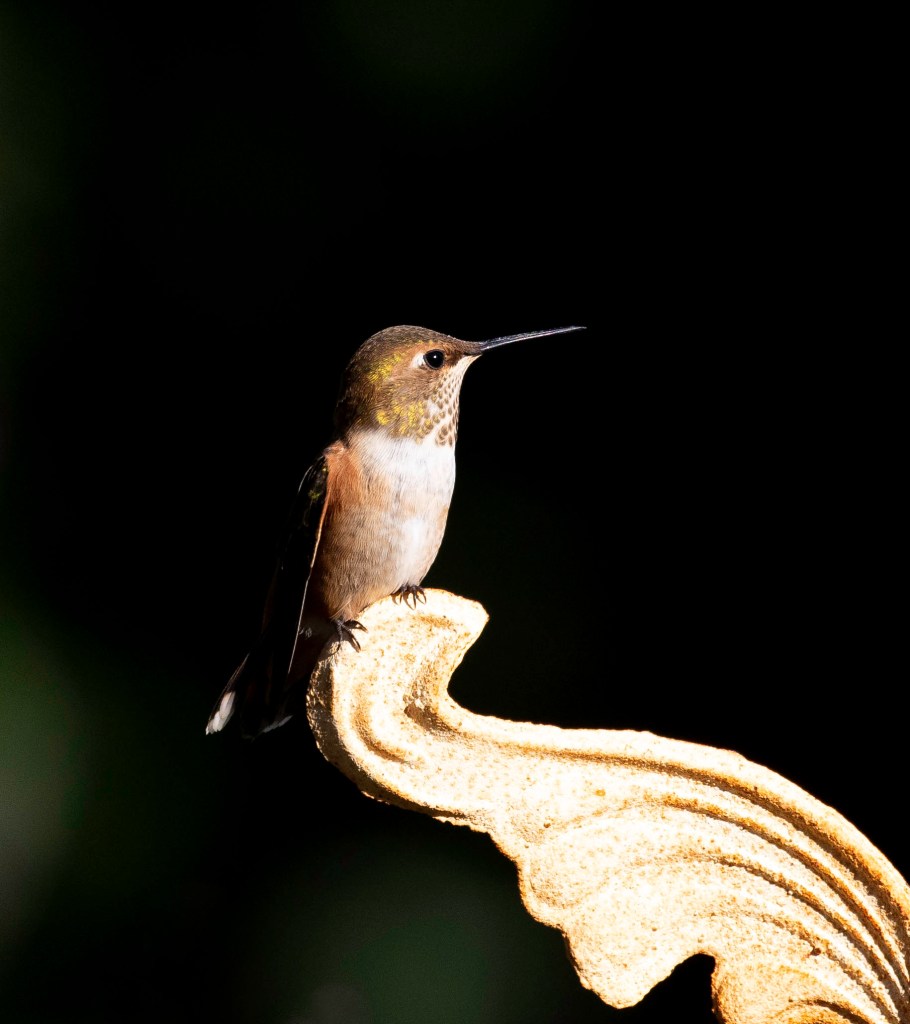
When we think of hummingbirds we tend to think of perpetual motion, speed and agility. It may come as a surprise to read that they actually spend quite a bit of time perched and at rest. I hung two perches designed for Hummingbirds near a couple of the feeders I have in the backyard and they use them regularly.
Using the Perch
Hummingbirds are fiercely territorial so perching near food sources is common. They also conserve energy by doing this.
Perching on a Branch
The birds use a variety of perches around my backyard. Any bare branch is attractive to them. They also perch on dead flower stems.
Rufous on Flower StemHummingbird on Dead Headed Bee Balm
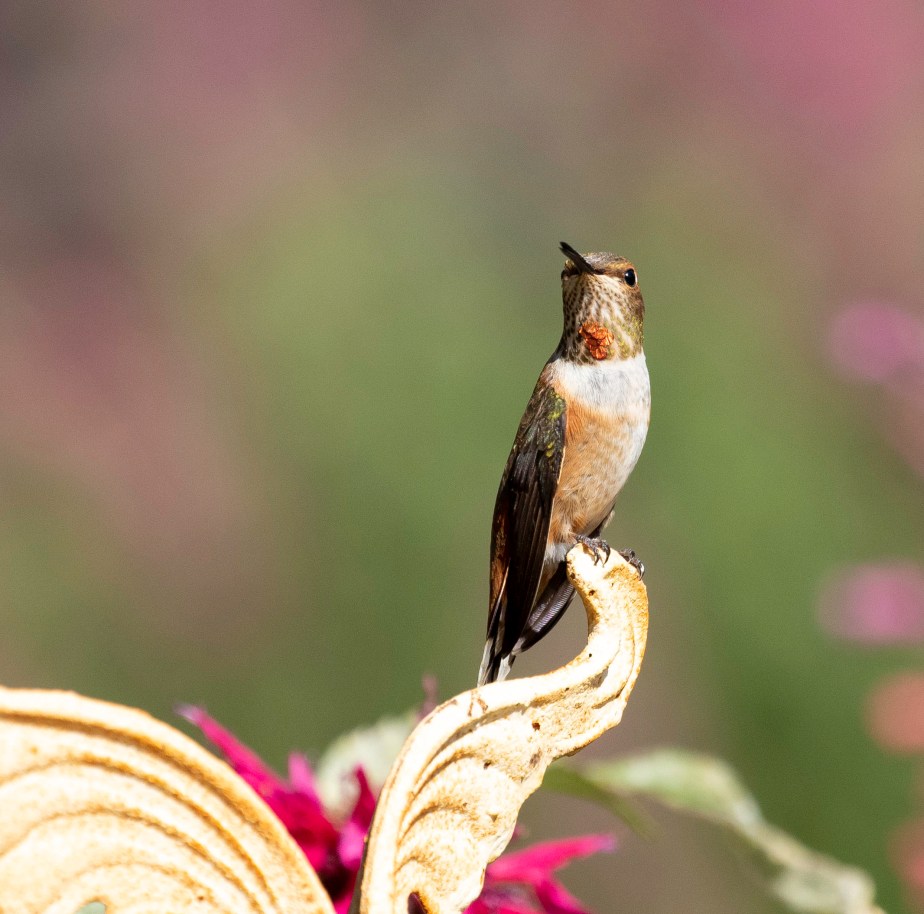
I have several sculpture objects around the yard that are Hummingbird related and it is especially amusing to me when they perch on those.
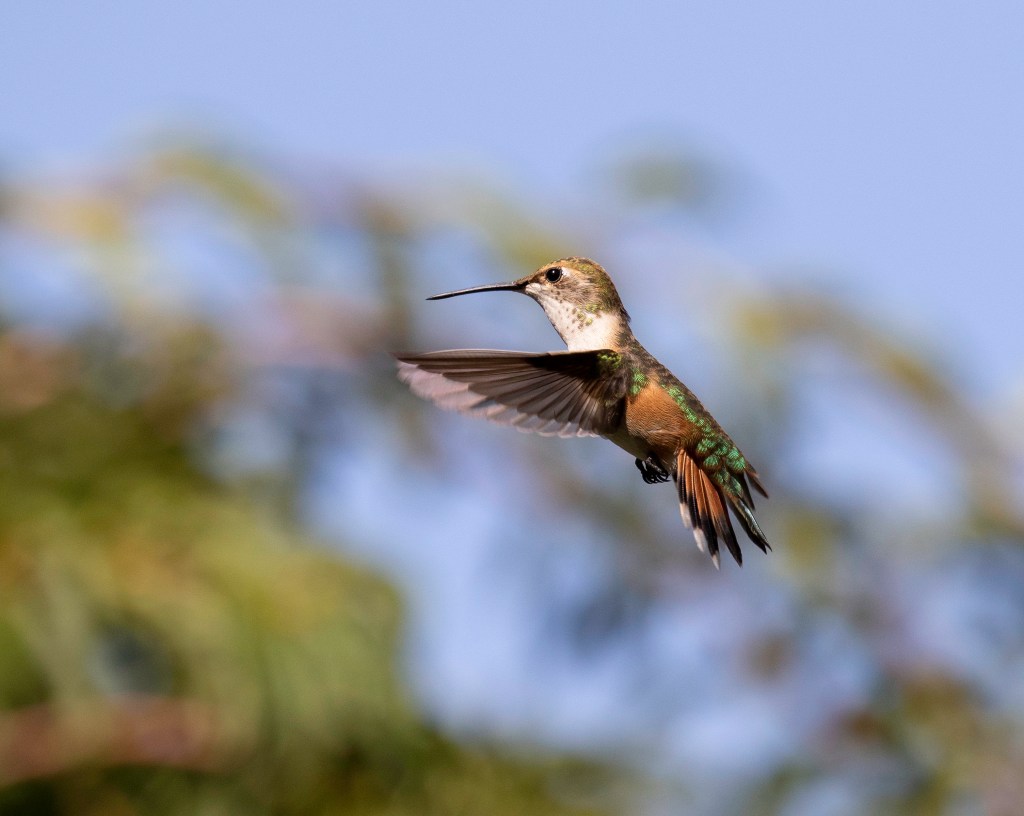
I have been impatiently waiting for the migration of Rufous Hummingbirds to start. Finally on Saturday the birds seem to have arrived. I don’t know if climate change is affecting their timing but the last two years they have shown up about 10 days later then I am accustomed to seeing them and they have definitely been hanging around later in the fall until I am forced to take down freezing feeders. I think these Rufous make their way north in the spring up through California. We don’t see too many of them at that time.
We have locals, Black Chinned Hummingbirds, that quietly hang out in the backyard helping themselves to the feeders and early blooming flowers in spring and early summer. Then in August it gets wild with high numbers of Rufous battling over blooms and the feeders.
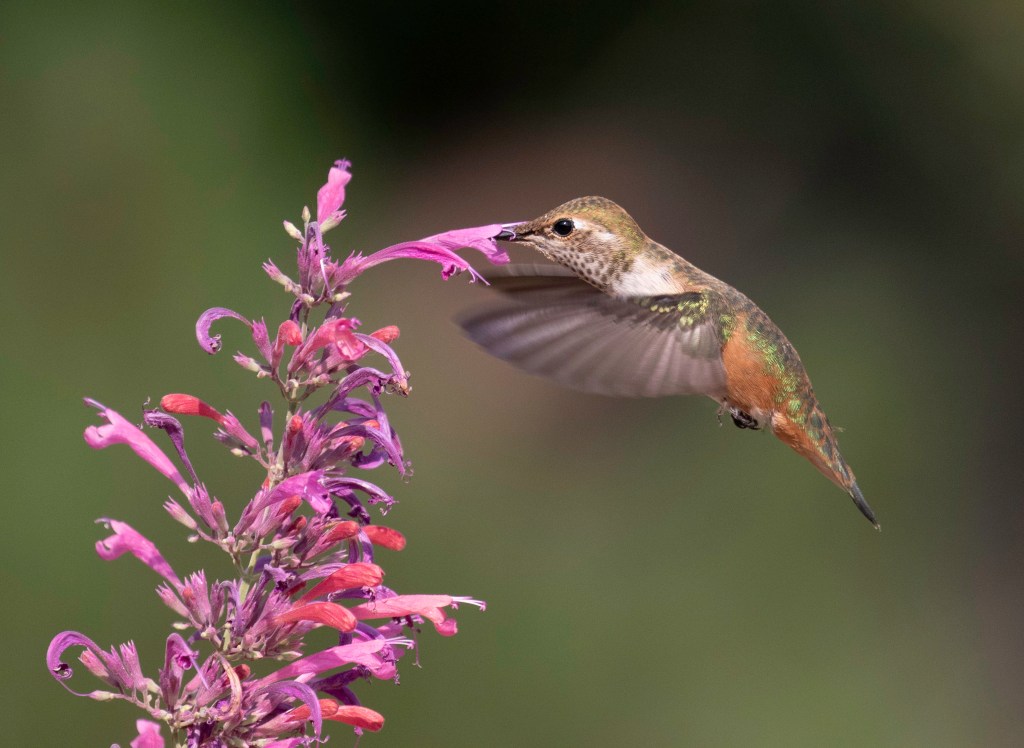
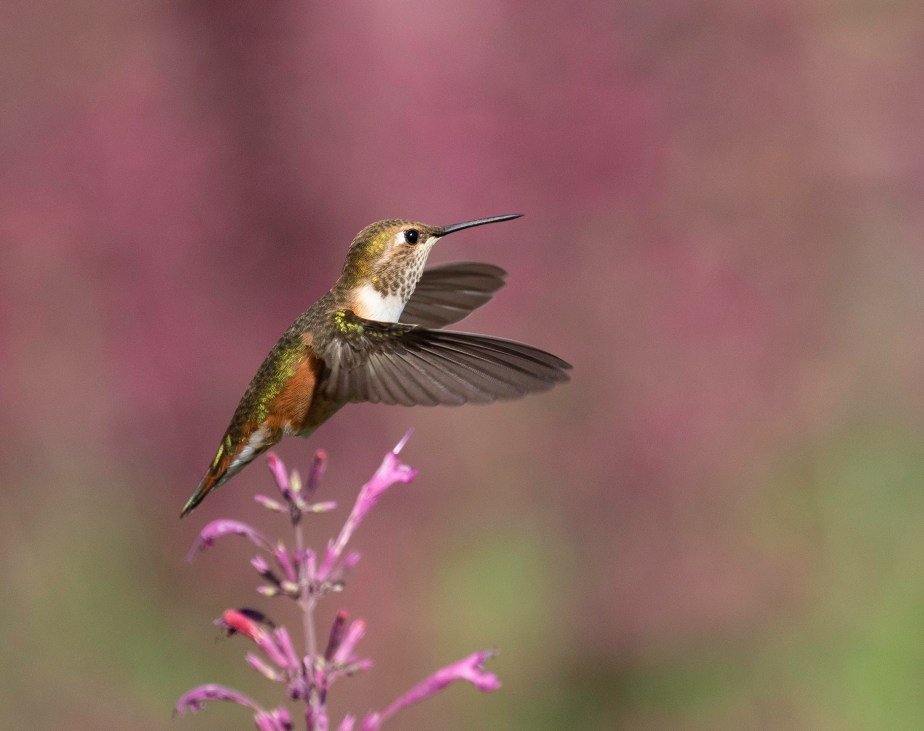
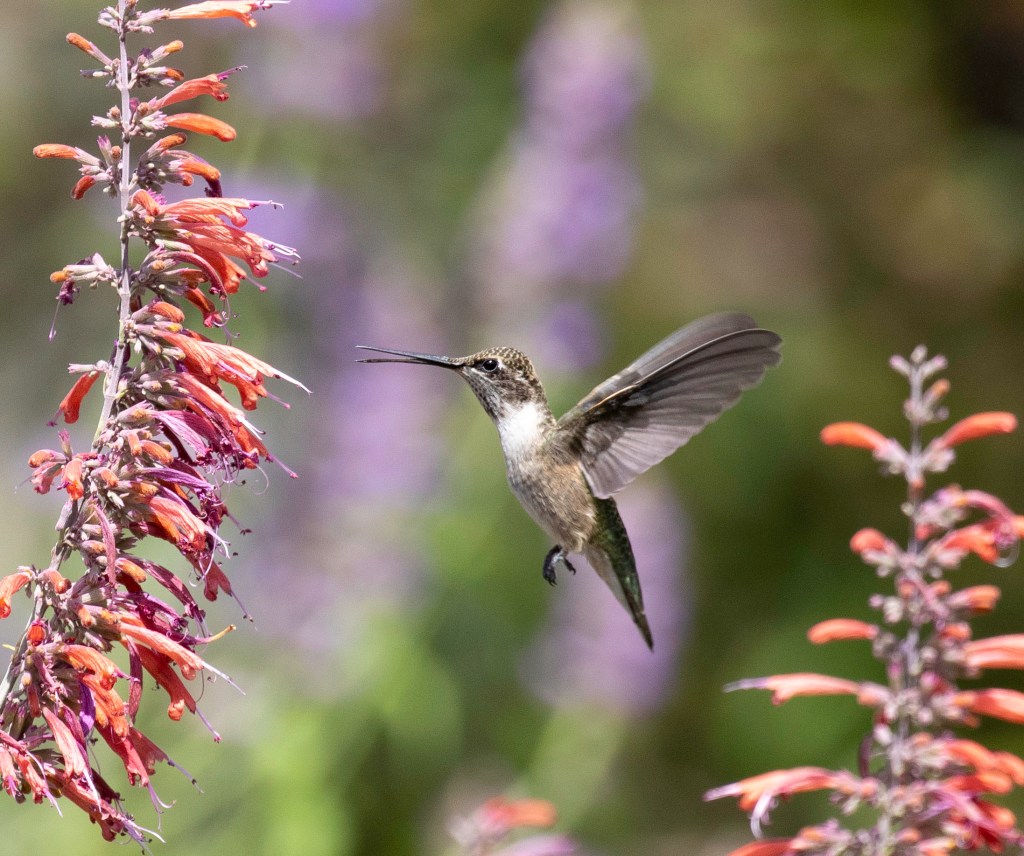
Rufous with Astagache Glowing Embers
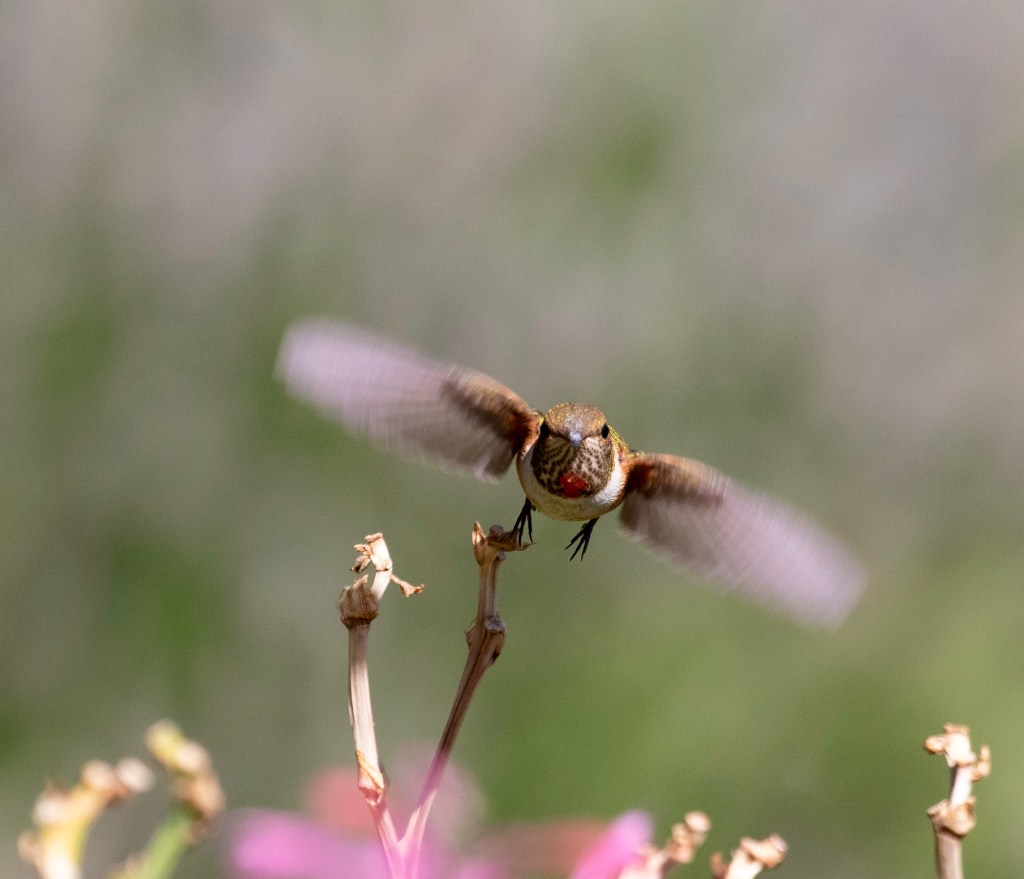
It is challenging and fun to try to capture all the action with the camera. The birds soon become used to your presence if you sit quietly. They are apt to fly right up to your face and examine you at close range. I have read that they recognize people and learn to trust you.
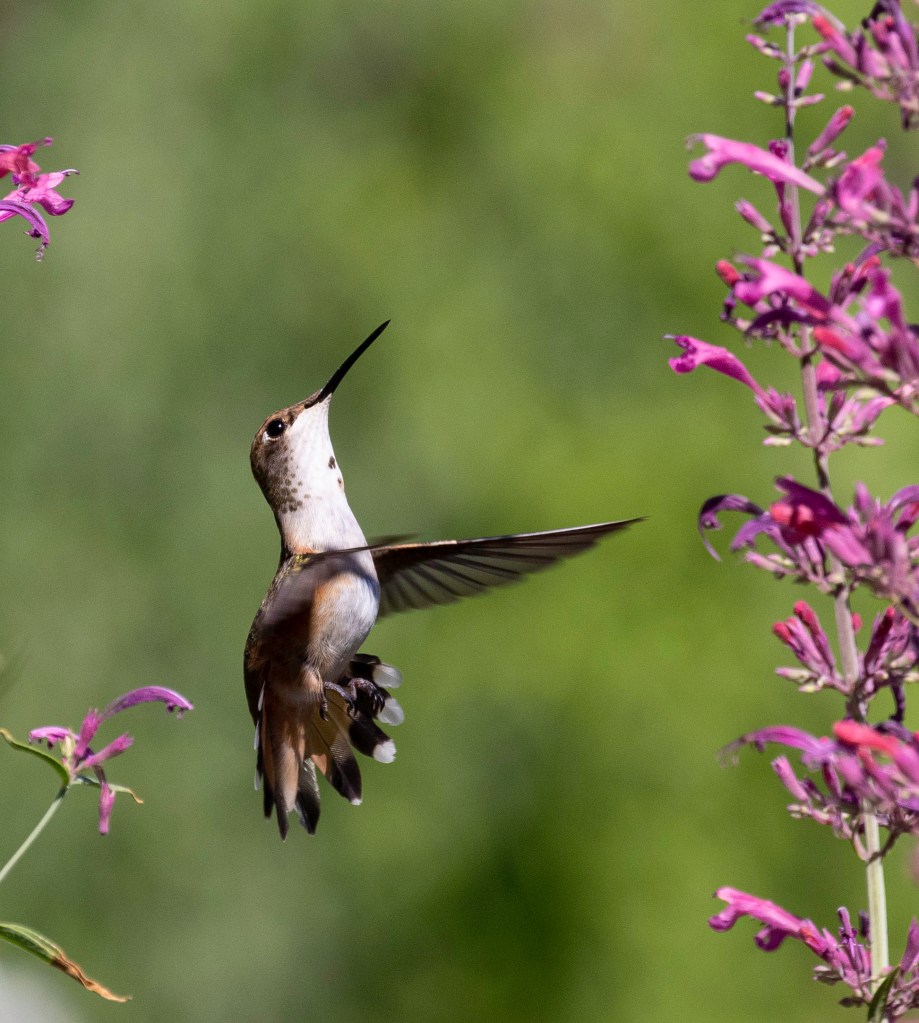
Rufous with Desert Solstice Astagache
One of the challenges to getting a good photo is they are always chasing each other off the flowers. They are fiercely territorial and even though I am offering them a huge banquet of flowers and feeder choices they are quite protective of their food sources.
Hummingbird defending against attack from above
Pretty Pose
Better late than never. Enjoying the annual show these tiny titans are putting on.
I started out modestly planting one variety of plant that would attract hummingbirds. I wanted to be able to take photos of them on flowers not feeders. I have four feeders to attract and help the tiny birds out through spring, summer and fall. Then slowly the obsession grew with wanting to create a hummingbird heaven in my back yard. Over the last few years I have replaced non native shrubs and plants with a variety of native flowers and plants. Of course lots of other pollinators profit from the pollen rich flowers as well.
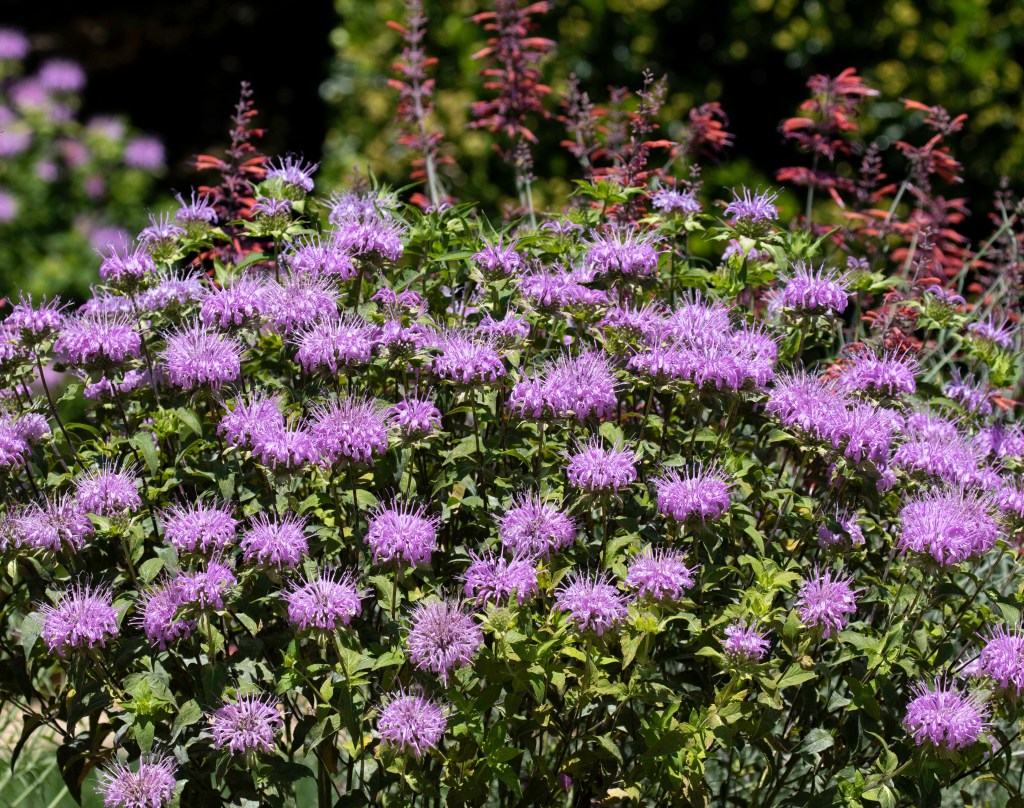
Wild Bergamot
I planted a lot of wild Bergamot after I fell in love with the plethora of flowers it produces. The hummingbirds are not crazy about it but the butterflies and bees are frequent visitors.
Bee enjoying Bergamot
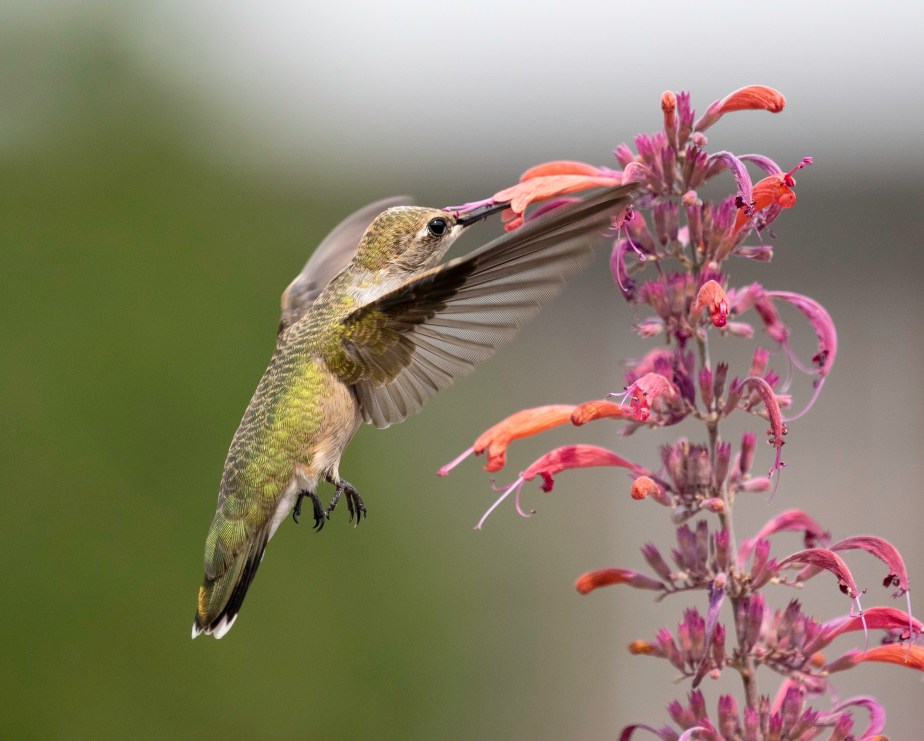
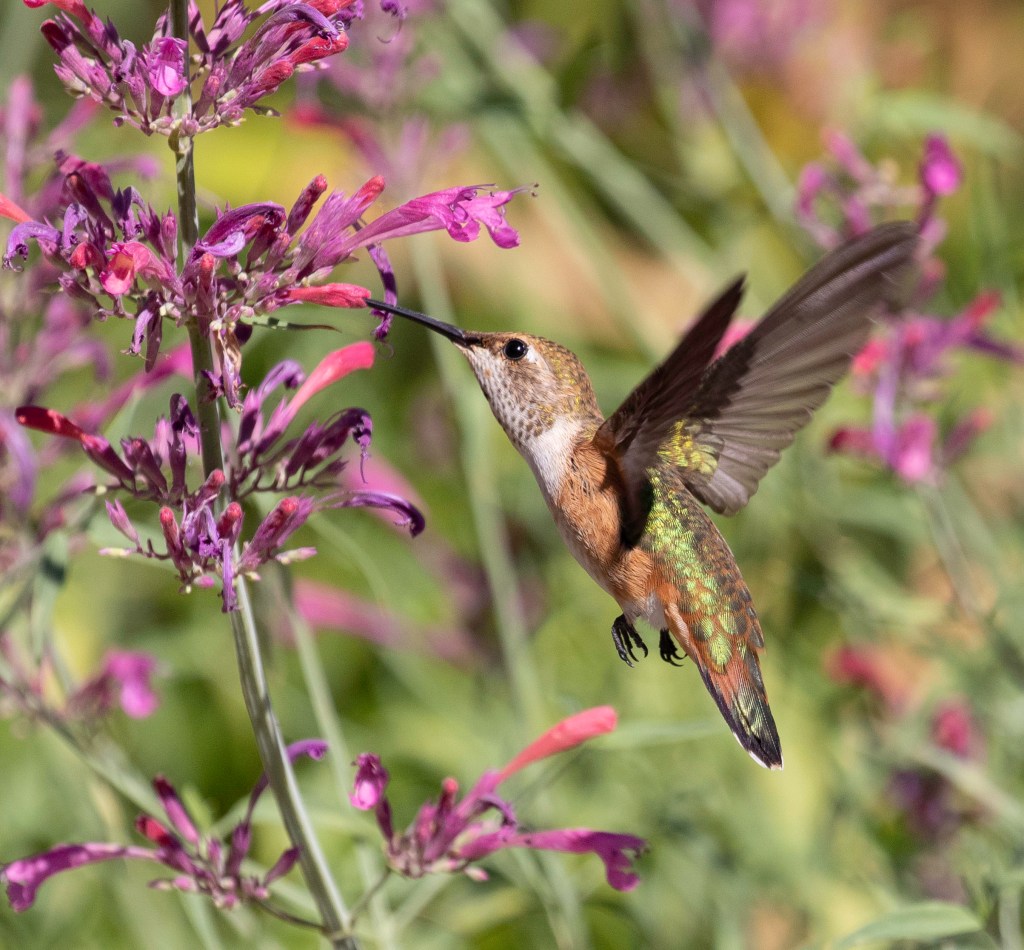
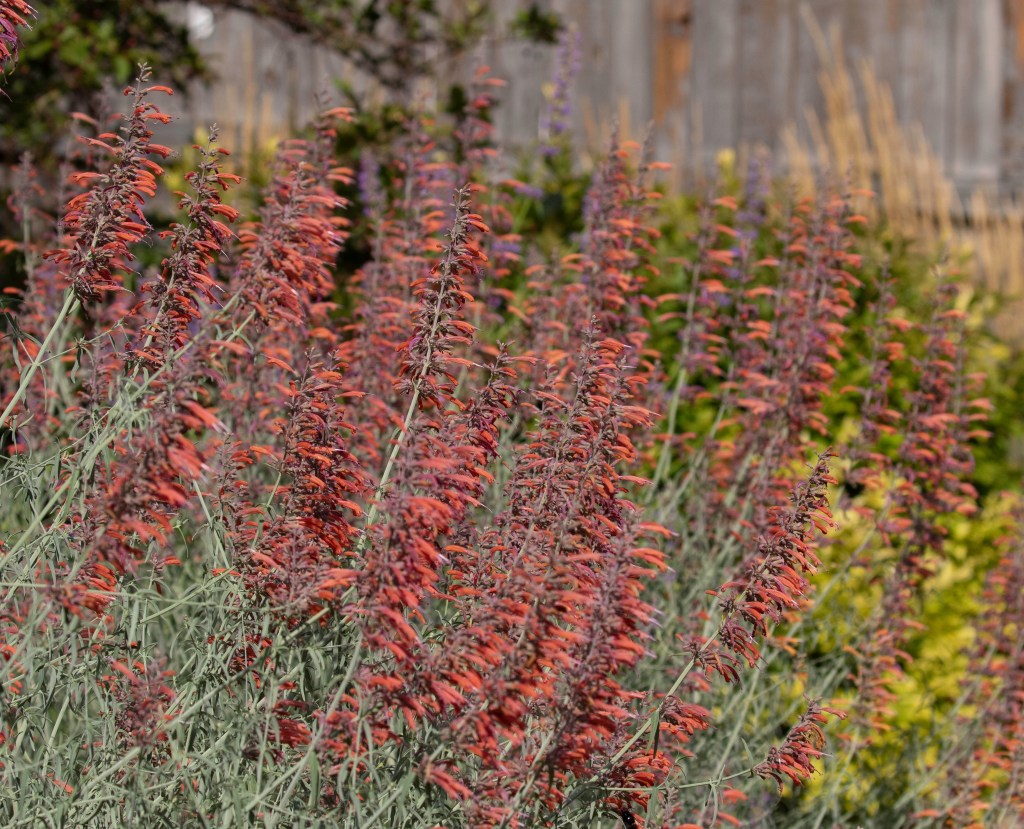
Glowing Embers Astagache
Hummingbird with Glowing Embers Astagache
All the plants from the Astagache family are Hummingbird favorites. This variety is long blooming and the Hummingbirds love them.
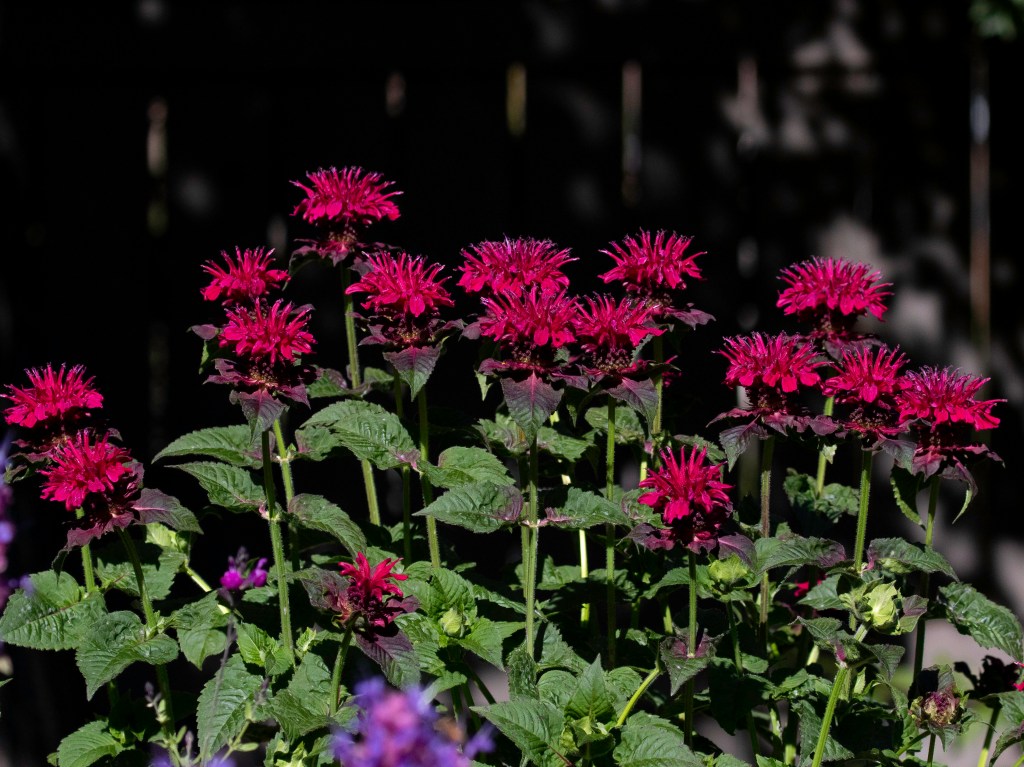
Bee Balm or Monarda
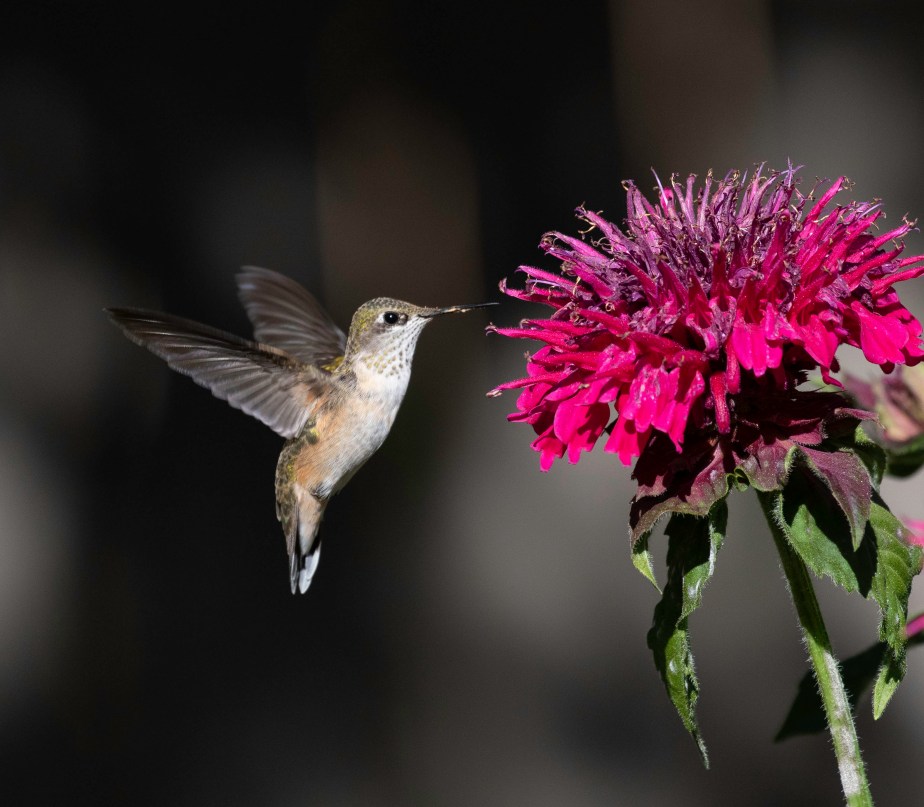
After several unsuccessful attempts to grow Bee Balm I found a spot they liked and have three large examples. They are a showy flower that hummers love. I especially like the photos I get of Hummingbirds with these.
Hummingbird with Bee Balm
Honey Bee with Astagache
Black Bee with Giant Purple Sage
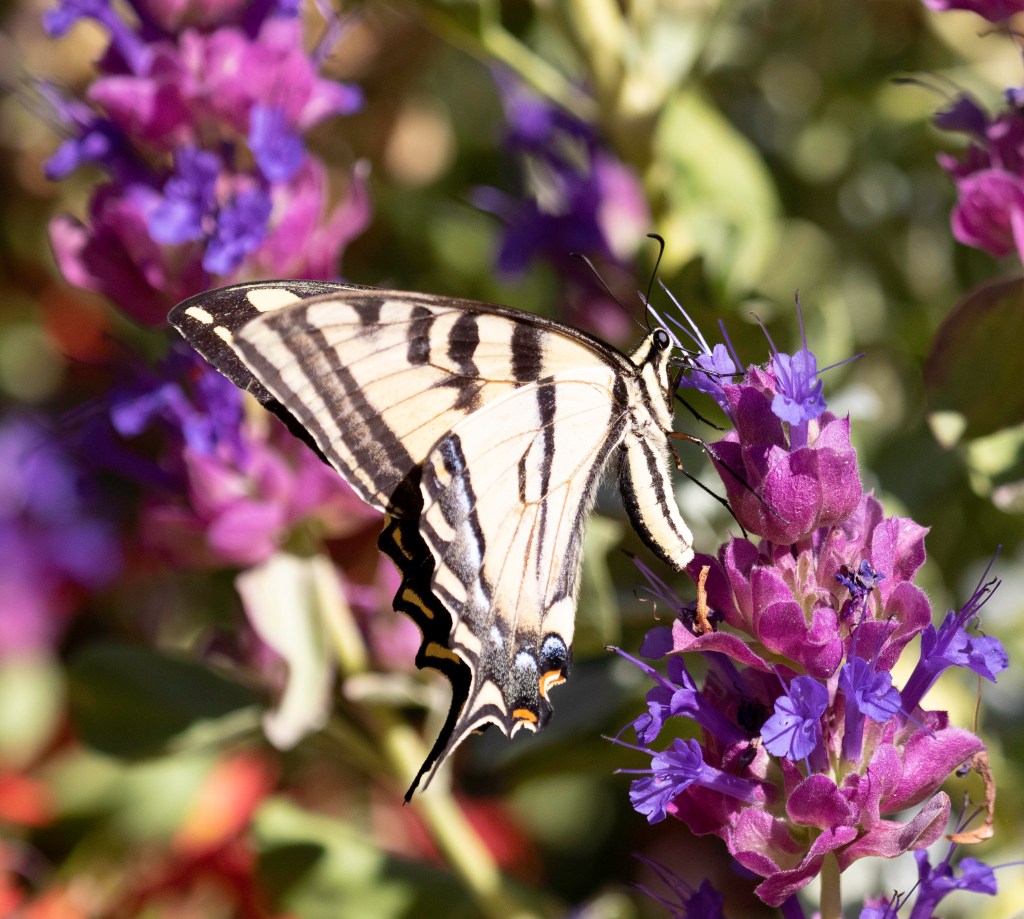
Swallowtail Butterfly with Giant Purple Sage
Rufous Hummingbird with Astagache
It took hard work to transform a rather sterile landscape into a colorful garden full of plants and flowers that pollinators are attracted too. I love sitting in my backyard this time of year watching them enjoy the fruits of my labor. Bees and all Pollinators are under stress as at this time. Consider planting for them when planning your garden.
I planted Giant Purple Sage last year hoping they would attract Hummingbirds as advertised. The Hummingbirds are not at all interested but they are magnets for Western Swallowtail Butterflies.
Swallowtail on Giant Purple Sage
I’ve planted several plant types that were supposed to be irresistible to Hummingbirds only to find the birds were not attracted to them. I might be offering them too many choices. The Purple Sage has been a hit with all kinds of bees, butterflies and moths so I’m happy with the plantings.
Summer Swallowtail in the Garden
My Bee Balm is starting to bloom and all the pollinators love them.
Swallowtail with Bee Balm Bloom
Just about 4 weeks to go until the Hummingbird migration starts and their favorite flowers should be in full bloom in the garden. Looking forward to their annual invasion and antics in my backyard.
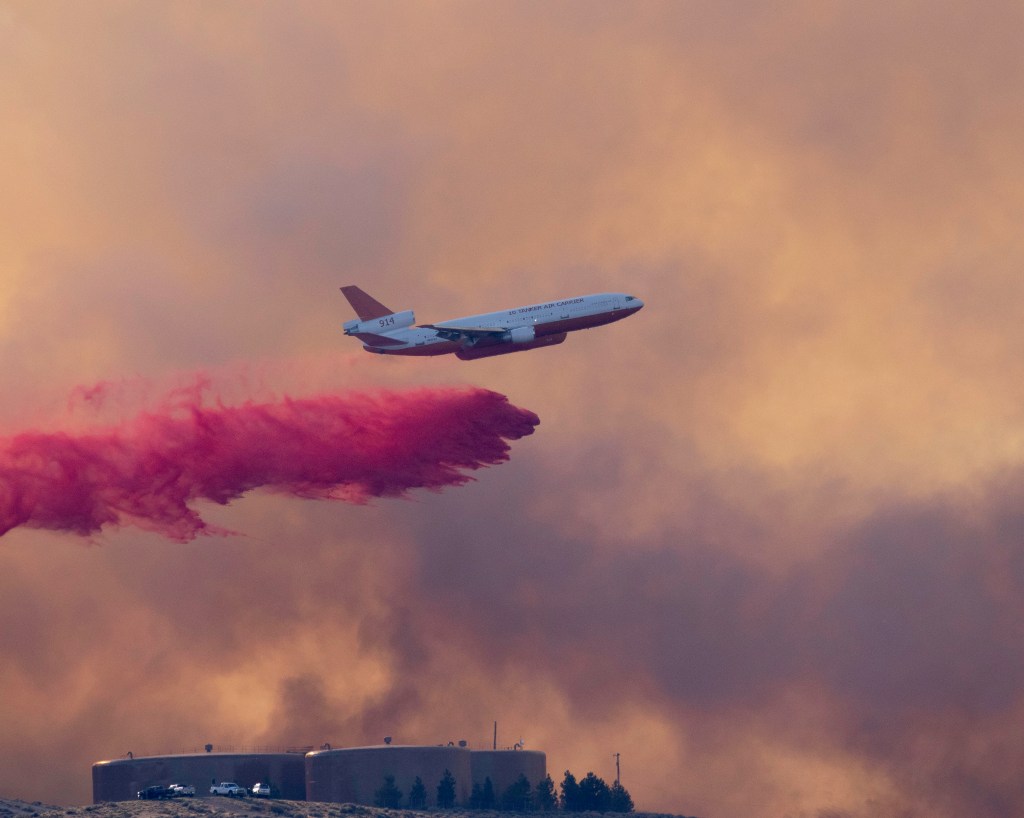
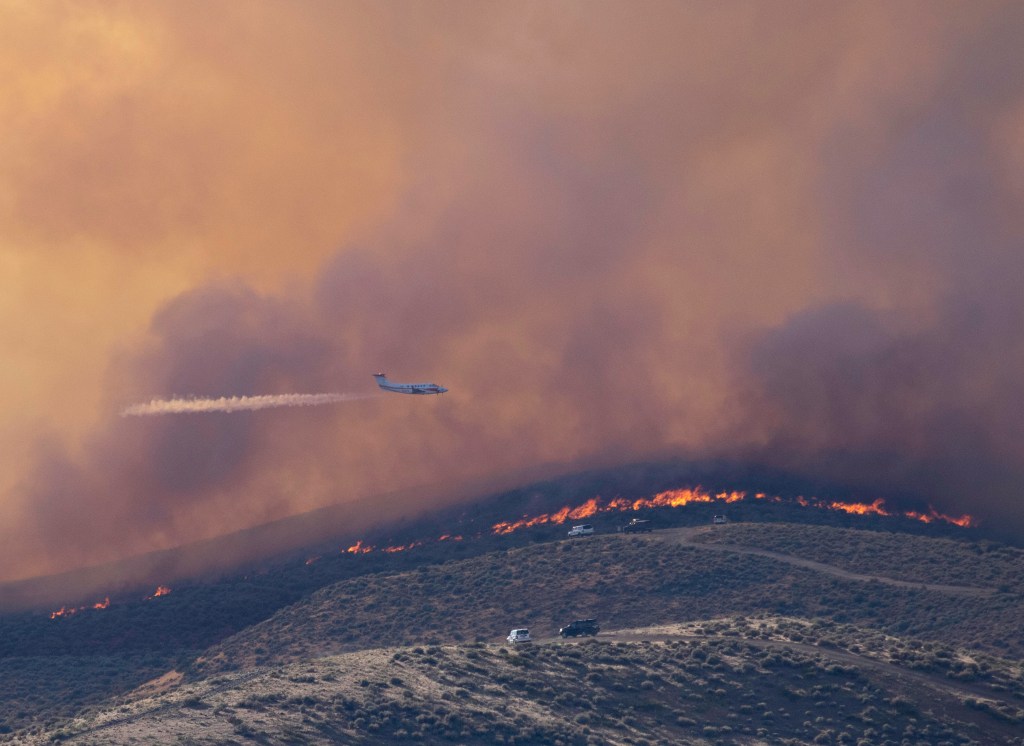
We had our first series of wildfires this weekend. A lightning strike in the Pine Nuts in Douglas county started us off. Then we had a real thriller yesterday on Peavine Mountain above Reno. Still waiting to hear what the exact cause of this one was. High winds and dry conditions made this an extremely dangerous fire. It made for an exciting afternoon Saturday if you were anywhere near the area. I live on top of a hill that gave us a great vantage point to watch the fire and the heroic efforts to put it out. Huge Tanker planes dropped load after load of brightly colored fire retardant on the fire and around it to create a fire break. I used a long lens to capture some of the action. We were miles from the fire.
Tanker making it’s drop
Spotter Plane marking the drop for a Tanker
Tanker dropping it’s payload on the Mark
The pilots worked this fire in an incredibly choregraphed dance that had them in and out of the smoke, flying just off the ground, and soaring back into the sky making it all look effortless. This has to be a huge adrenalin rush and scary as hell.
Flying through the Inferno
Abstract
Bombs Away!
Amazing work by these pilots. They saved many homes and lives this day. Thank you!